

The Ultimate Guide to Cultivating Self-Love and Improving Your Mental Well-Being
Self-love is more than just a buzzword—it’s a vital practice that can transform your life. In a world where external validation often takes precedence, learning to love yourself unconditionally is essential for mental well-being, emotional resilience, and overall happiness. This guide will explore the importance of self-love, how to start cultivating it, and the numerous benefits it brings.
Why Self-Love Matters
Self-love is the foundation of healthy relationships, both with others and with yourself. When you truly love yourself, you develop confidence, emotional stability, and the ability to communicate your needs clearly. This clarity fosters stronger connections and reduces misunderstandings. It also empowers you to set and maintain healthy boundaries, ensuring that your relationships are built on mutual respect rather than people-pleasing or overextending yourself.
Moreover, self-love allows you to offer love freely without expecting others to validate you. You become better equipped to accept care from others because you believe you deserve it. Ultimately, self-love nurtures healthier, more fulfilling connections by allowing you to show up as your best self while creating space for others to do the same.
How to Start Loving Yourself
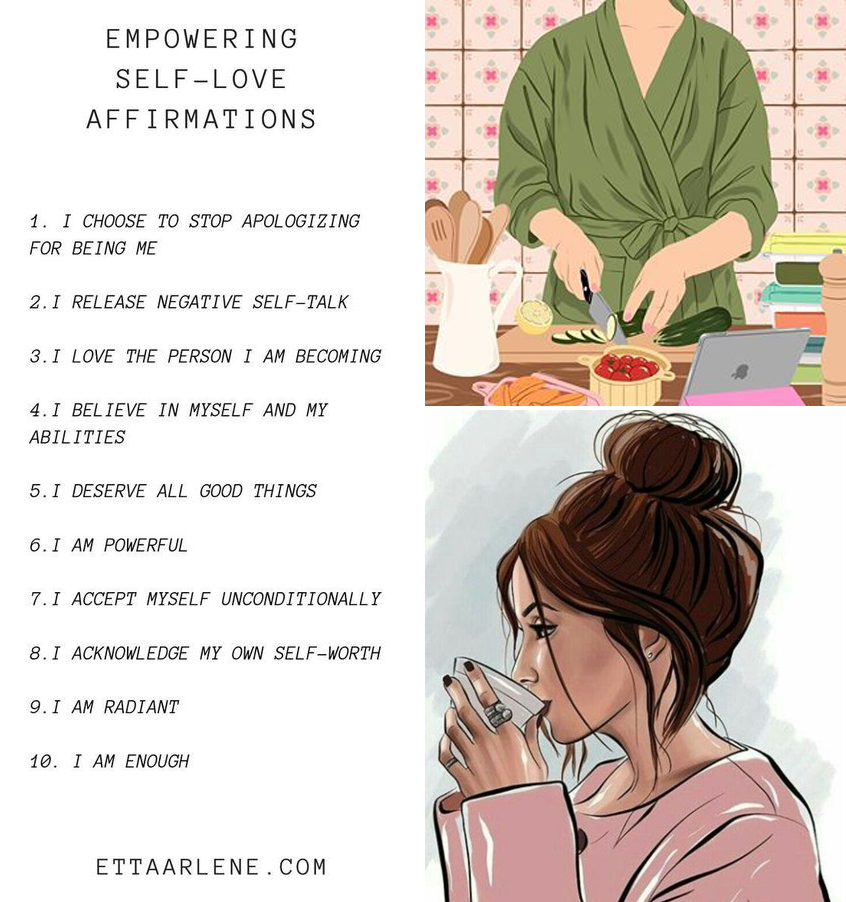
Starting on the path of self-love begins with self-awareness. Notice your thoughts, feelings, and actions. Begin to recognize what makes you smile or what makes you feel uneasy. Once you have a better understanding of yourself, you can start taking steps toward treating yourself with more kindness and respect.
Here are some practical steps to begin:
- Shift your internal dialogue: Notice when you’re being self-critical and replace it with a more compassionate thought.
- Prioritize self-care: Even small acts like deep breathing or a 10-minute walk can reinforce your self-worth.
- Surround yourself with positivity: Reduce exposure to toxic relationships or social media comparisons.
- Celebrate small wins: Recognizing personal growth (no matter how small) strengthens self-love.
Remember, it’s a journey—there are no deadlines, and you don’t have to rush. If you ever feel lost, you can always revisit these steps to gently reintroduce self-love practices.
Signs of Lack of Self-Love

Lack of self-love can manifest in various ways. It could be in the form of constant self-criticism, ignoring your own needs, or having difficulty accepting compliments. It might also appear as feeling undeserving of positive experiences or neglecting self-care.
Recognizing these signs is the first step toward change. Once you see them, you can start taking steps to build a more loving relationship with yourself.
Self-Love Habits
Self-love habits are small, daily actions that nurture a loving relationship with yourself. They could be as simple as speaking kindly to yourself, taking breaks when needed, or engaging in activities that make you happy. Other self-love habits include practicing gratitude, spending time in nature, eating nourishing food, and exercising in a way that feels good to your body.
The goal is to create habits that make you feel loved, respected, and cared for. These small acts add up over time, reinforcing a sense of self-worth and emotional balance.
The Science Behind Self-Love
Self-love is rooted in neuroscience. When you practice self-love, your brain shifts. The emotional centers of your brain, like the limbic system, begin to regulate emotions more effectively. Self-love strengthens the prefrontal cortex, which helps with self-awareness, decision-making, and emotional balance, while also calming the amygdala, reducing fear and anxiety.
On a chemical level, self-love activates dopamine, the “feel-good” neurotransmitter. When you engage in self-care or speak kindly to yourself, your brain reinforces a positive loop, making it easier to cultivate self-compassion over time.
Benefits of Practicing Self-Love
Practicing self-love has numerous benefits, including:
- Lower stress, higher resilience: With a strong sense of self-love, we’re better equipped to tackle obstacles. Self-compassion helps us view challenges as temporary setbacks or opportunities for growth.
- Willingness to take risks: When we take risks, it’s because we have faith in ourselves. We trust that we’ll be able to handle the outcome, whatever it may be.
- Compassion: When we accept our strengths and weaknesses with compassion, we can extend that same understanding to others.
- Self-efficacy: Self-love boosts self-efficacy, which is our belief in our ability to succeed.
- Setting healthy boundaries: Saying “no” when necessary is an act of self-respect and self-love.
By cultivating self-love, you give yourself the greatest gift of all—the freedom to live fully, love deeply, and step into your power.
Final Thoughts
Self-love is not a destination; it’s a lifelong practice. It’s the quiet whisper that reminds you of your worth, the gentle nudge that encourages you to take leaps, and the warm embrace that assures you that you are enough as you are. As you do this, you illuminate the path for others to follow.
Cherish yourself, and you’ll find it easier to cherish others. So today, take a deep breath, place your hand over your heart, and remind yourself: You are worthy. You are enough. You are deeply, beautifully loved.