

What Is Resting Heart Rate and Why It Matters for Your Health
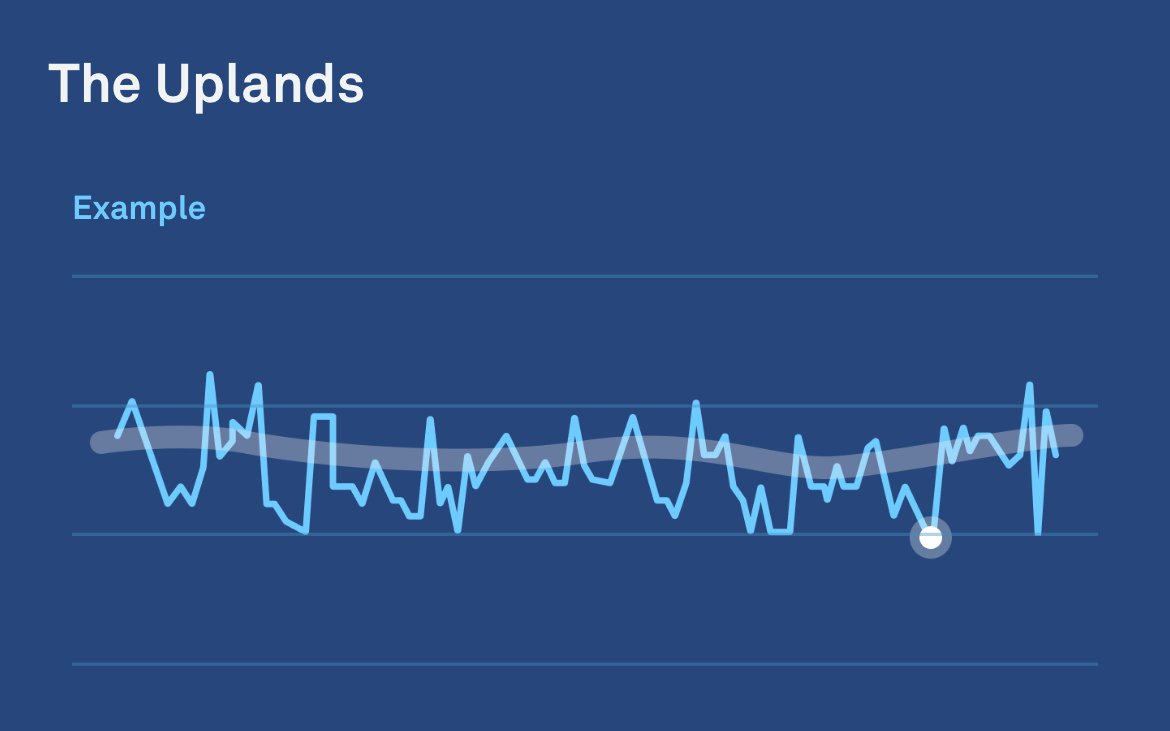
Resting heart rate (RHR) is a crucial indicator of your cardiovascular health and overall well-being. It refers to the number of times your heart beats per minute while you’re at rest, typically measured first thing in the morning before engaging in any physical activity or consuming caffeine. Understanding your RHR can provide valuable insights into your fitness level, recovery status, and potential health risks.
What Is Resting Heart Rate?
Resting heart rate is the number of heartbeats per minute when your body is in a state of complete rest. This measurement reflects how efficiently your heart is functioning. A lower RHR generally indicates a stronger, more efficient heart that doesn’t have to work as hard to pump blood throughout your body. For most adults, a normal RHR falls between 60 and 100 beats per minute (bpm). However, athletes and individuals with high levels of physical fitness often have RHRs below 60 bpm, sometimes even as low as 40 bpm.
Why Does Resting Heart Rate Matter?

Your resting heart rate is a powerful tool for monitoring your health and fitness progress. Here are some reasons why it matters:
1. Indicator of Cardiovascular Health
A consistently low RHR is often associated with good cardiovascular health. When your heart is strong and efficient, it can pump more blood with each beat, reducing the need for frequent contractions. Conversely, a high RHR may signal underlying health issues, such as stress, dehydration, or poor sleep.
2. Fitness Level Assessment
Regularly tracking your RHR can help you gauge improvements in your aerobic fitness. As your cardiovascular system becomes more efficient through training, your RHR typically decreases. For example, you might notice a drop from 70 bpm to 60 bpm over several months of consistent exercise.
3. Recovery and Overtraining Monitoring
Your RHR can also serve as a barometer for your recovery status. If your RHR increases significantly, it may indicate that your body is under stress or not fully recovered from recent workouts. This can be a sign of overtraining, which can negatively impact your performance and health.
4. Early Warning Sign for Health Issues
An abnormally high or low RHR could be an early warning sign of potential health problems. For instance, a persistently high RHR might increase your risk of heart disease, while a very low RHR could indicate bradycardia, a condition where the heart beats too slowly.
How to Measure Your Resting Heart Rate
Measuring your RHR is a straightforward process. Here’s how you can do it:
1. Choose the Right Time
The best time to measure your RHR is in the morning, right after waking up, before getting out of bed. Avoid measuring it after physical activity, caffeine consumption, or stressful events, as these can temporarily elevate your heart rate.
2. Use a Heart Rate Monitor
For the most accurate results, use a heart rate monitor, such as a wearable device or a chest strap. These devices provide real-time data and can track trends over time.
3. Manual Measurement
If you don’t have a heart rate monitor, you can measure your RHR manually by placing your fingers on your wrist or neck to feel your pulse. Count the number of beats in 15 seconds and multiply by four to get your RHR.
4. Repeat the Measurement
Take multiple measurements over consecutive mornings to establish a baseline. This helps account for natural fluctuations and provides a more accurate picture of your RHR.
Factors That Affect Resting Heart Rate
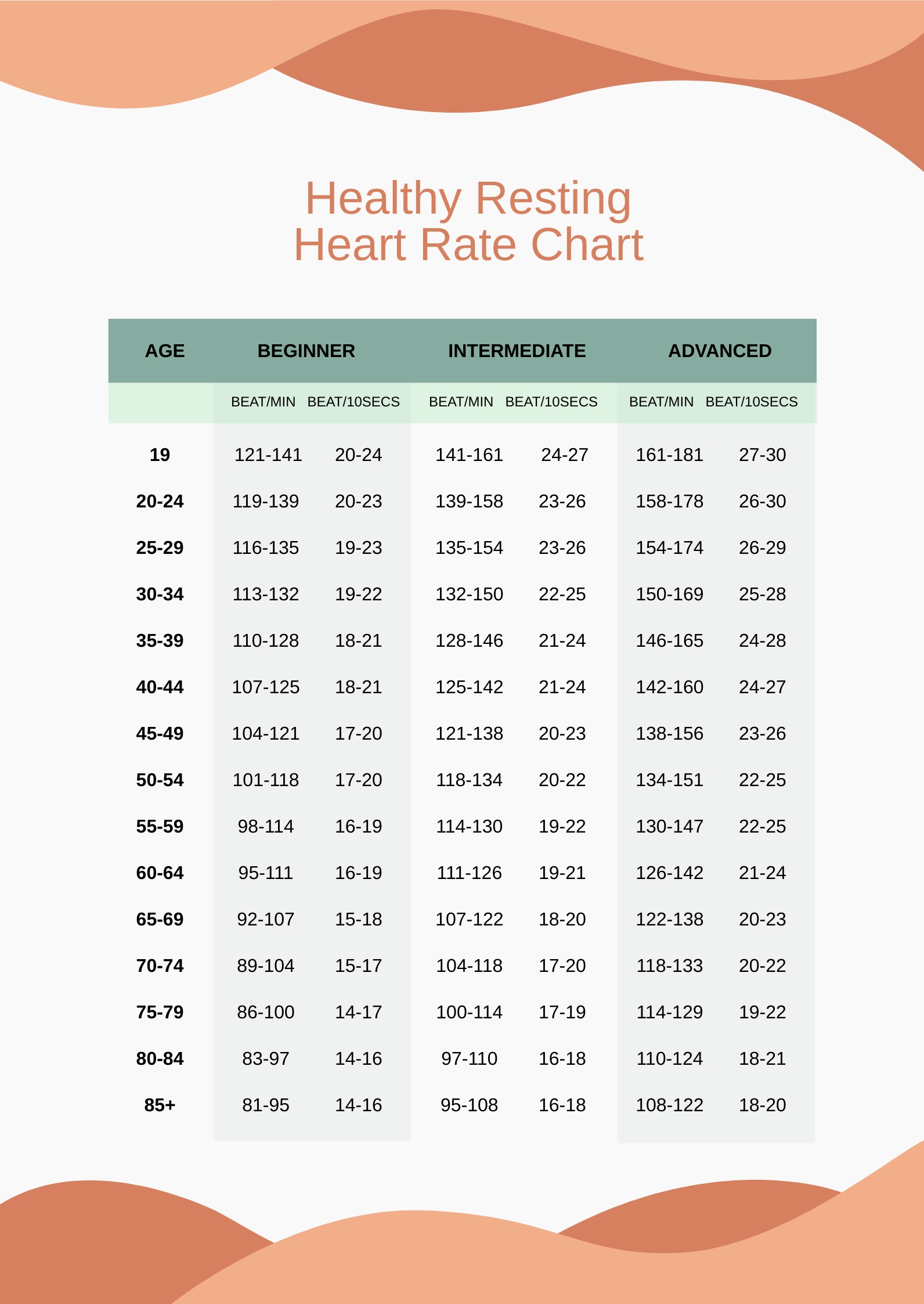
Several factors can influence your RHR. Understanding these can help you interpret your measurements more effectively:
1. Age
As you age, your RHR tends to increase slightly due to changes in your cardiovascular system and overall physical fitness.
2. Physical Activity
Regular aerobic exercise, such as running, cycling, or swimming, can improve your heart’s efficiency, leading to a lower RHR over time.
3. Stress and Anxiety
Mental or physical stress can elevate your RHR. Chronic stress may lead to long-term increases in your heart rate, which can negatively affect your health.
4. Dehydration
Lack of adequate hydration can cause your RHR to rise. Dehydration reduces blood volume, forcing your heart to work harder to circulate blood.
5. Sleep Quality
Poor sleep or insufficient rest can lead to an elevated RHR. Aim for seven to eight hours of quality sleep each night to support optimal heart function.
6. Medications
Certain medications, such as beta-blockers, can lower your RHR. Always consult with a healthcare professional if you’re concerned about how your medication affects your heart rate.
How to Improve Your Resting Heart Rate
Improving your RHR requires a combination of lifestyle changes and consistent effort. Here are some effective strategies:
1. Engage in Regular Exercise
Aerobic exercises like running, cycling, and swimming are particularly beneficial for improving cardiovascular health and lowering your RHR.
2. Manage Stress
Practice relaxation techniques such as meditation, deep breathing, or yoga to reduce stress and its impact on your heart rate.
3. Stay Hydrated
Drink plenty of water throughout the day to maintain proper blood volume and support optimal heart function.
4. Prioritize Sleep
Ensure you get enough quality sleep each night to allow your body to recover and regulate your heart rate effectively.
5. Maintain a Healthy Diet
A balanced diet rich in fruits, vegetables, whole grains, and lean proteins can support heart health and help maintain a healthy RHR.
By understanding and monitoring your resting heart rate, you can gain valuable insights into your health and make informed decisions to improve your overall well-being. Whether you’re an athlete looking to enhance performance or someone aiming to lead a healthier lifestyle, tracking your RHR is a simple yet powerful step toward better health.