

What Are Relationship Goals? 7 Key Traits of a Healthy and Lasting Partnership
Relationships are the cornerstone of human connection, offering us love, support, and a sense of belonging. But what exactly makes a relationship strong and enduring? The concept of “relationship goals” often comes up in conversations about love, but it’s important to understand that not all relationship goals are created equal. While social media may present idealized versions of love—like grand gestures or perfect couples—real, lasting partnerships are built on more meaningful foundations.
In this article, we’ll explore what relationship goals truly mean and uncover seven key traits that define a healthy and lasting partnership. These insights will help you navigate your own relationships with clarity, purpose, and authenticity.
Understanding What Relationship Goals Mean
At its core, relationship goals refer to the values, expectations, and aspirations that partners share as they build their life together. These goals can be both practical and emotional, ranging from how you handle conflicts to how you express affection. They serve as a guide for how you want to grow and thrive as a couple.
However, it’s crucial to distinguish between superficial relationship goals—like extravagant gifts or romanticized moments—and authentic ones that reflect real connection, mutual respect, and emotional safety. The latter are the true pillars of a lasting relationship.
7 Key Traits of a Healthy and Lasting Partnership

1. Empathy and Emotional Safety
One of the most critical elements of a successful relationship is empathy. This means being able to understand and share your partner’s feelings, even when you don’t agree with them. Empathy fosters emotional safety, allowing both partners to feel heard, valued, and supported.
Without empathy, relationships can become emotionally distant. You might find yourselves avoiding difficult conversations or feeling disconnected during moments of vulnerability. True emotional safety is built through consistent communication, active listening, and a willingness to be open with one another.
2. Honesty and Transparency
Honesty is the bedrock of any healthy relationship. It goes beyond just telling the truth; it involves being open about your thoughts, feelings, and intentions. When you’re honest with your partner, you create a space where trust can flourish.
Transparency also means being willing to discuss uncomfortable topics, such as financial concerns, family expectations, or personal insecurities. A relationship that lacks honesty can lead to misunderstandings, resentment, and long-term damage.
3. Mutual Respect
Respect is essential for maintaining a balanced and healthy relationship. It means valuing your partner’s opinions, boundaries, and individuality. Respect also involves treating each other with kindness, even during disagreements.
When respect is present, both partners feel safe to express themselves without fear of judgment or criticism. It’s the foundation for building a relationship where both people can grow and thrive.
4. Shared Values and Beliefs
While it’s not necessary to agree on everything, having shared values and beliefs can significantly strengthen a relationship. These could include views on family, career, finances, or personal growth. Shared values provide a common ground and help align your long-term goals.
For example, if one partner prioritizes financial stability while the other values adventure, it’s important to find a middle ground that respects both perspectives. Open discussions about these values early in the relationship can prevent future conflicts.
5. Effective Communication
Communication is the lifeblood of any relationship. It’s not just about talking, but about listening actively and expressing yourself clearly. Healthy communication involves being open to feedback, expressing your needs, and resolving conflicts in a constructive way.
Partners who communicate well are better equipped to handle challenges, avoid misunderstandings, and maintain emotional intimacy. Remember, it’s not about never arguing—it’s about how you handle those arguments.
6. Intimacy Beyond Physical Connection
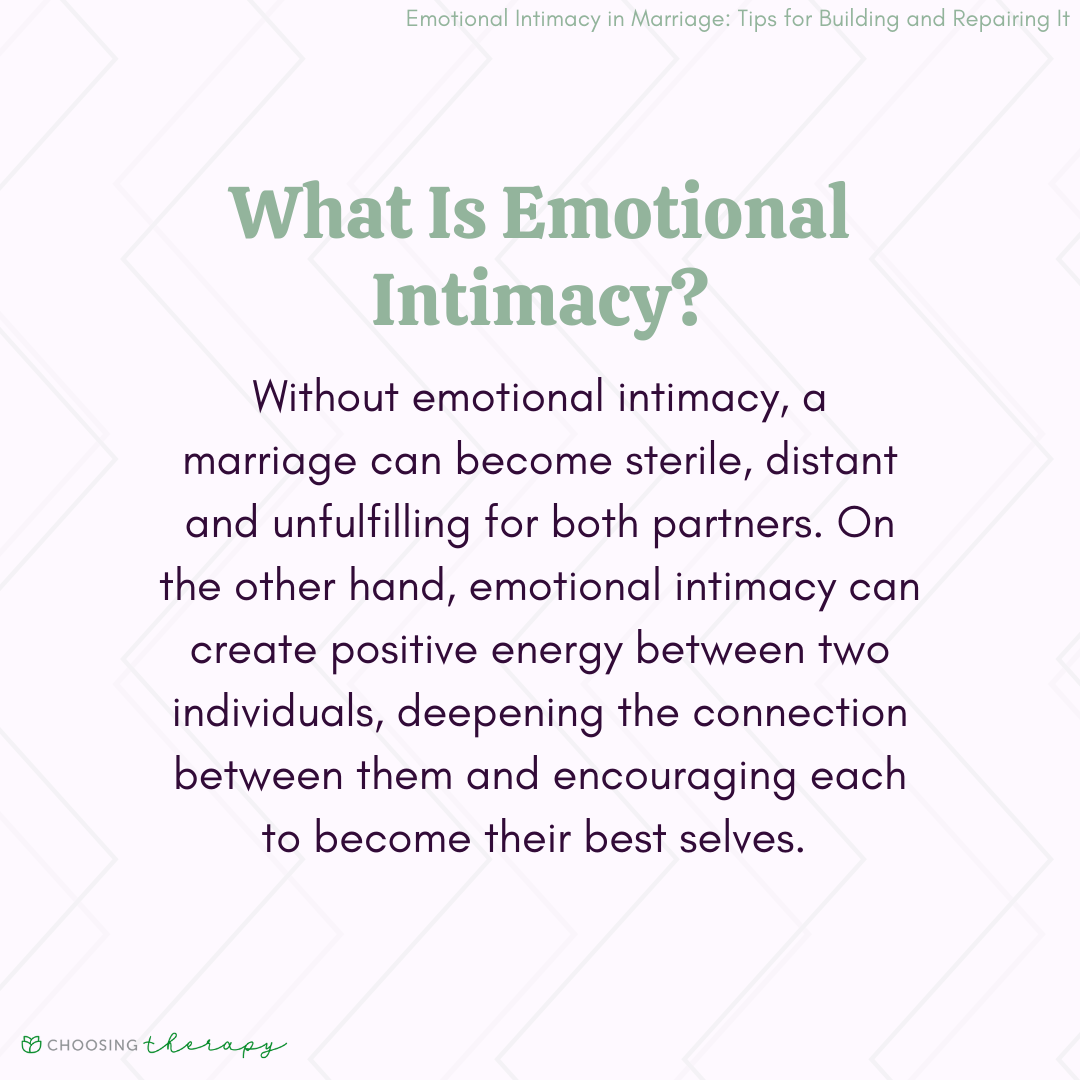
While physical intimacy is an important part of a relationship, emotional and spiritual intimacy is equally vital. This includes sharing your dreams, fears, and vulnerabilities with your partner. It’s about feeling connected on a deeper level, beyond just the physical.
Healthy relationships encourage partners to explore new ways of connecting, whether through shared hobbies, deep conversations, or simply spending quality time together. Intimacy is not just about passion; it’s about building a bond that lasts.
7. Commitment and Flexibility
A lasting relationship requires commitment—not just to each other, but to the work it takes to maintain and grow the relationship. This includes being willing to adapt and change as individuals and as a couple.
Flexibility is also key. Life is unpredictable, and relationships must evolve over time. Being open to change, compromising when needed, and supporting each other’s growth are all signs of a strong, resilient partnership.
Final Thoughts
Relationship goals are not about perfection—they’re about connection, growth, and mutual understanding. By focusing on empathy, honesty, respect, shared values, communication, intimacy, and commitment, you can build a relationship that is not only strong but also deeply fulfilling.
Remember, every relationship is unique, and what works for one couple may not work for another. The key is to stay open, honest, and committed to growing together. Whether you’re just starting out or have been together for years, setting and nurturing healthy relationship goals can help you create a partnership that stands the test of time.