

The Ultimate Guide to Premarital Counseling: Strengthening Your Relationship Before Marriage

Marriage is a significant life milestone that requires careful preparation and commitment. While many couples focus on the wedding itself, fewer consider the importance of preparing for the marriage that follows. This is where premarital counseling comes into play. It is a proactive step that helps couples build a strong foundation for their future together. In this guide, we explore what premarital counseling is, how it works, its benefits, and how to choose the right counselor.
What Is Premarital Counseling?
Premarital counseling is a form of therapy designed to help couples prepare for marriage by addressing key issues such as communication, financial planning, conflict resolution, and shared values. Unlike traditional couples’ therapy, which often focuses on resolving existing problems, premarital counseling is aimed at preventing potential conflicts before they arise.
This type of counseling typically involves discussions about:
- Values and goals: Understanding each other’s core beliefs and long-term aspirations.
- Financial expectations: How you plan to manage money, handle debt, and make joint financial decisions.
- Family dynamics: Your views on parenting, relationships with extended family, and household responsibilities.
- Conflict resolution: Learning healthy ways to address disagreements and work through differences.
By engaging in these conversations, couples can gain clarity about their future and develop strategies to navigate challenges together.
Why Is Premarital Counseling Important?
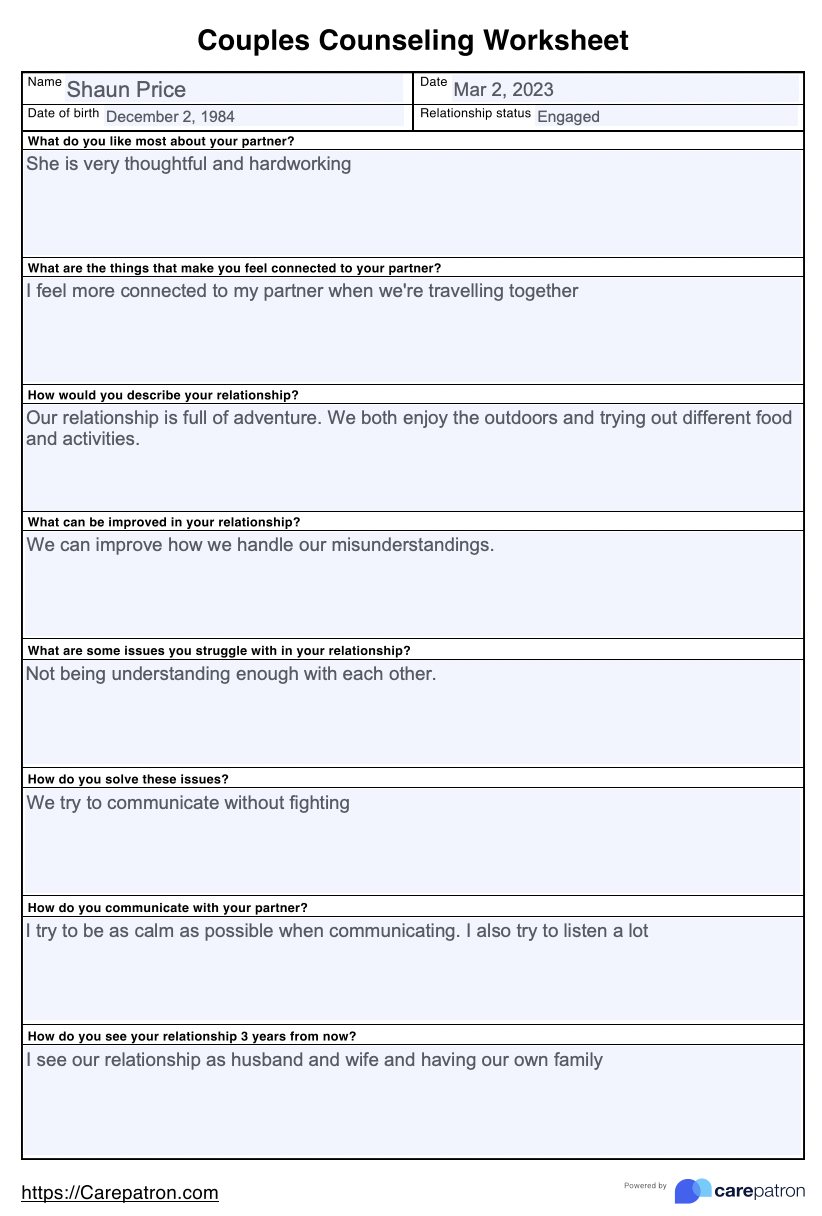
Premarital counseling offers numerous benefits that can significantly enhance the quality of a marriage. Here are some key reasons why it is essential:
- Improves Communication: Open and honest communication is the cornerstone of any successful relationship. Premarital counseling teaches couples how to express their needs, listen actively, and resolve conflicts constructively.
- Identifies Potential Conflicts: By discussing sensitive topics early on, couples can identify areas of disagreement and work on finding compromises before they escalate into major issues.
- Strengthens Emotional Connection: The process fosters deeper emotional intimacy and understanding, helping couples build a stronger bond.
- Reduces Divorce Rates: Studies show that couples who undergo premarital counseling are less likely to divorce. Research indicates that those who attend counseling have a 30% lower risk of divorce compared to those who do not.
- Sets Realistic Expectations: Couples learn to set realistic expectations for married life, reducing the likelihood of disappointment or frustration later on.
How Does Premarital Counseling Work?

The structure of premarital counseling can vary depending on the therapist and the couple’s specific needs. However, most sessions typically include the following elements:
- Initial Assessment: The therapist may begin by asking the couple to complete questionnaires or assessments to understand their relationship dynamics, values, and goals.
- Open Discussions: Couples engage in guided conversations about important topics such as finances, family planning, and personal boundaries.
- Skill Building: Therapists teach practical skills like active listening, empathy, and conflict resolution.
- Goal Setting: Couples work together to create a plan for their future, including how they will handle challenges and support each other.
Some therapists may also use tools like the Gottman Method, which focuses on building trust, managing conflict, and fostering emotional connection, or Emotionally Focused Therapy (EFT), which emphasizes creating secure emotional bonds between partners.
Types of Premarital Counseling
There are several types of premarital counseling available, each offering unique approaches and benefits:
- Individual Counseling: Some couples choose to meet with the therapist separately before coming together. This allows each partner to reflect on their own thoughts and feelings.
- Group Counseling: Group settings provide an opportunity to learn from other couples and gain different perspectives.
- Online Counseling: For couples who prefer flexibility, online therapy platforms offer virtual sessions that can be accessed from anywhere.
- Religious or Faith-Based Counseling: Many religious institutions offer premarital counseling that aligns with specific spiritual beliefs and values.
Each approach has its advantages, and the choice depends on the couple’s preferences and needs.
How to Choose the Right Premarital Counselor
Selecting the right counselor is crucial for a successful premarital counseling experience. Here are some steps to help you find the best fit:
- Clarify Your Goals: Determine what you hope to achieve through counseling. Are you looking to improve communication, address financial concerns, or strengthen your emotional connection?
- Research Credentials: Ensure the counselor is licensed and has experience in working with couples. Look for certifications in specialized methods like the Gottman Method or EFT.
- Check Reviews and Referrals: Ask friends, family, or healthcare providers for recommendations. You can also check online directories like Psychology Today or the National Registry of Marriage Friendly Therapists.
- Consider Cost and Availability: Discuss fees, insurance coverage, and scheduling options to ensure the counseling is accessible and affordable.
- Schedule an Initial Consultation: Meet with the counselor to assess compatibility and discuss your expectations.
Conclusion
Premarital counseling is more than just a preparatory step—it is an investment in your future together. By addressing potential challenges, improving communication, and strengthening your emotional bond, you can build a resilient and fulfilling marriage. Whether you’re engaged or simply considering a long-term commitment, taking the time to prepare through counseling can make all the difference.
Remember, the goal of premarital counseling is not to guarantee a perfect marriage, but to equip you with the tools needed to navigate life’s challenges as a team. With the right guidance and effort, you can lay a strong foundation for a happy and lasting relationship.