
The Ultimate Guide to Posture Correction: Improve Your Health and Confidence

Posture correction is more than just standing tall—it’s a crucial aspect of maintaining physical health, mental clarity, and overall well-being. In today’s world, where many people spend long hours sitting at desks, using computers, or looking down at their phones, poor posture has become a common issue. This guide will provide you with practical steps, techniques, and tools to correct your posture and enhance your quality of life.
Understanding the Importance of Good Posture
Good posture involves aligning your body correctly when sitting, standing, and moving. It helps reduce strain on your muscles and joints, prevents pain, and improves your balance and flexibility. Poor posture can lead to various issues, including back pain, neck discomfort, headaches, and even reduced mobility over time.
Techniques for Correcting Your Posture

-
Sit and Stand Tall
One of the most fundamental aspects of good posture is maintaining an upright position. Imagine a string pulling you up from the top of your head, elongating your spine. Keep your shoulders relaxed, chin parallel to the ground, and ears aligned with your shoulders. Avoid slumping or hunching forward. Engaging your core muscles can provide stability and support for your spine. -
Align Your Computer Setup
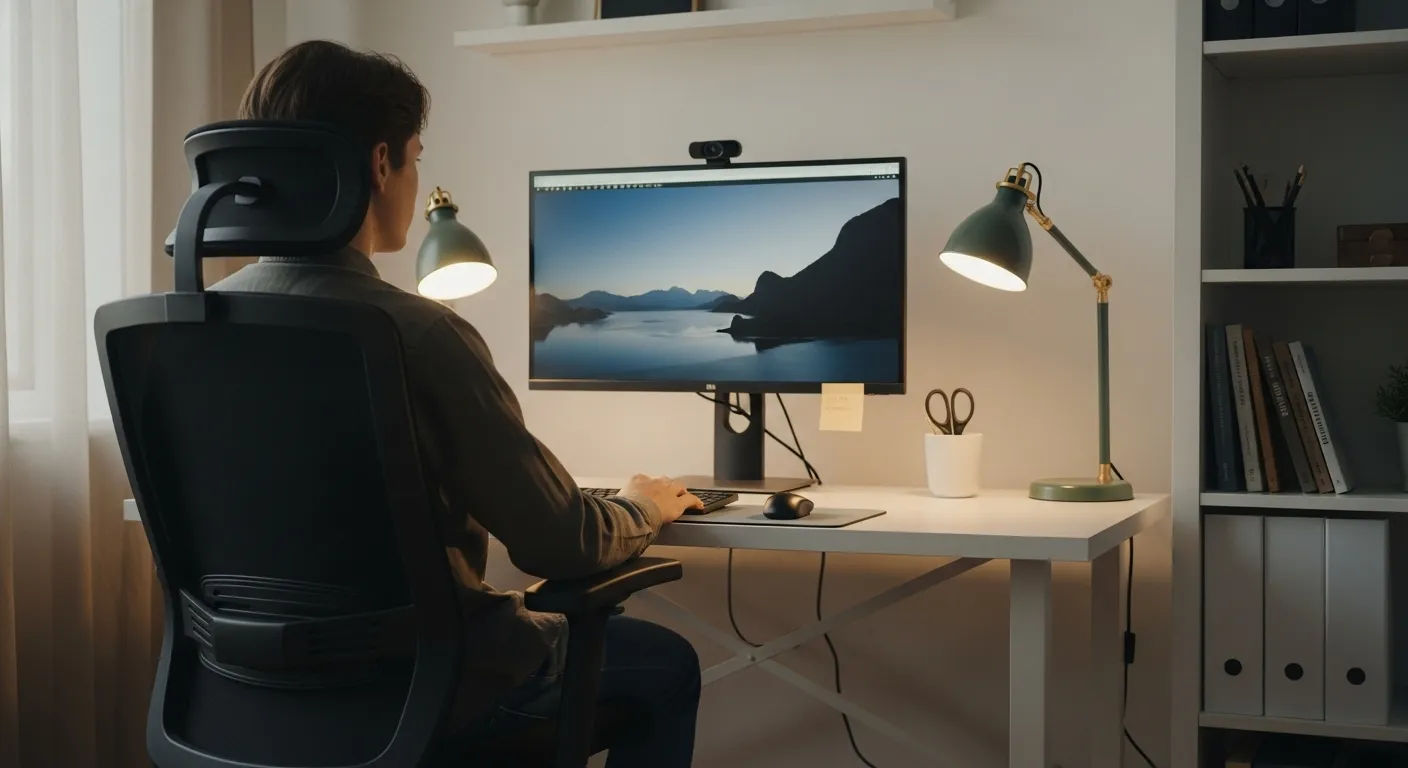
If you work on a computer for extended periods, ensure your workstation is ergonomically designed. Position your monitor at eye level, about an arm’s length away from you. Sit with your feet flat on the floor and use a chair with proper lumbar support. Adjust the height of your desk and chair to maintain a 90-degree angle at your elbows and knees. -
Take Regular Breaks and Stretch
Sitting for prolonged periods can put a strain on your back and neck. Remember to take regular breaks to stand up, stretch, and walk around. Simple stretching exercises can help alleviate muscle tension and promote better spinal alignment. Stretch your chest and shoulders by clasping your hands behind your back and gently pulling your shoulder blades together. Stretch your neck by slowly tilting your head from side to side and forward and backwards. -
Strengthen Your Core Muscles
A strong core provides a solid foundation for good posture. Incorporate exercises that target your abdominal, back, and hip muscles into your fitness routine. Planks, bridges, and yoga poses such as the Cat-Cow stretch are excellent for strengthening your core and improving spinal alignment. -
Practice Mindful Posture Awareness
Developing mindfulness about your posture throughout the day can make a significant difference in your spinal alignment. Regularly check in with yourself and make necessary adjustments. Be conscious of how you sit, stand, walk, and lift objects. Over time, these small corrections can become habitual and greatly benefit your posture. -
Seek Professional Help
If you have persistent back pain or significant posture concerns, consider consulting with a healthcare professional, such as a chiropractor or physical therapist. They can assess your posture, identify any underlying issues, and provide specific exercises and treatments tailored to your needs.
Tools and Devices for Posture Correction
In addition to the techniques mentioned above, there are several tools and devices that can aid in posture correction:
-
Height Adjustable Desk
A height adjustable desk allows you to switch between sitting and standing positions, reducing the strain on your back and neck. This flexibility helps maintain better posture throughout the day. -
External Monitor
Using an external monitor can improve your posture by allowing you to position your screen at eye level. This reduces the need to tilt your head downward, which can cause neck and shoulder pain. -
Ergonomic Keyboard and Mouse
An ergonomic keyboard and mouse can help maintain a natural hand and wrist position, reducing the risk of carpal tunnel syndrome and other repetitive strain injuries. -
Iron Neck
The Iron Neck is a posture correction device that improves neck strength, mobility, and range of motion. It fits around the head like a halo and includes resistance bands for targeted exercises. -
Hypervolt Massage Gun
A massage gun like the Hypervolt can help reduce muscle soreness, tension, and improve recovery. It’s particularly useful for office workers who spend long hours sitting and may experience muscle stiffness.
Conclusion
Improving your posture is a proactive step towards maintaining a healthy spine and overall well-being. By incorporating these posture correction techniques into your daily routine, you can enhance your spinal alignment, reduce the risk of back pain, and enjoy better mobility and flexibility. Remember, consistency and awareness are key. Embrace good posture habits and reap the benefits of a strong and aligned spine for years to come.