

The Ultimate Guide to the Plank Challenge: Benefits, Tips, and Variations
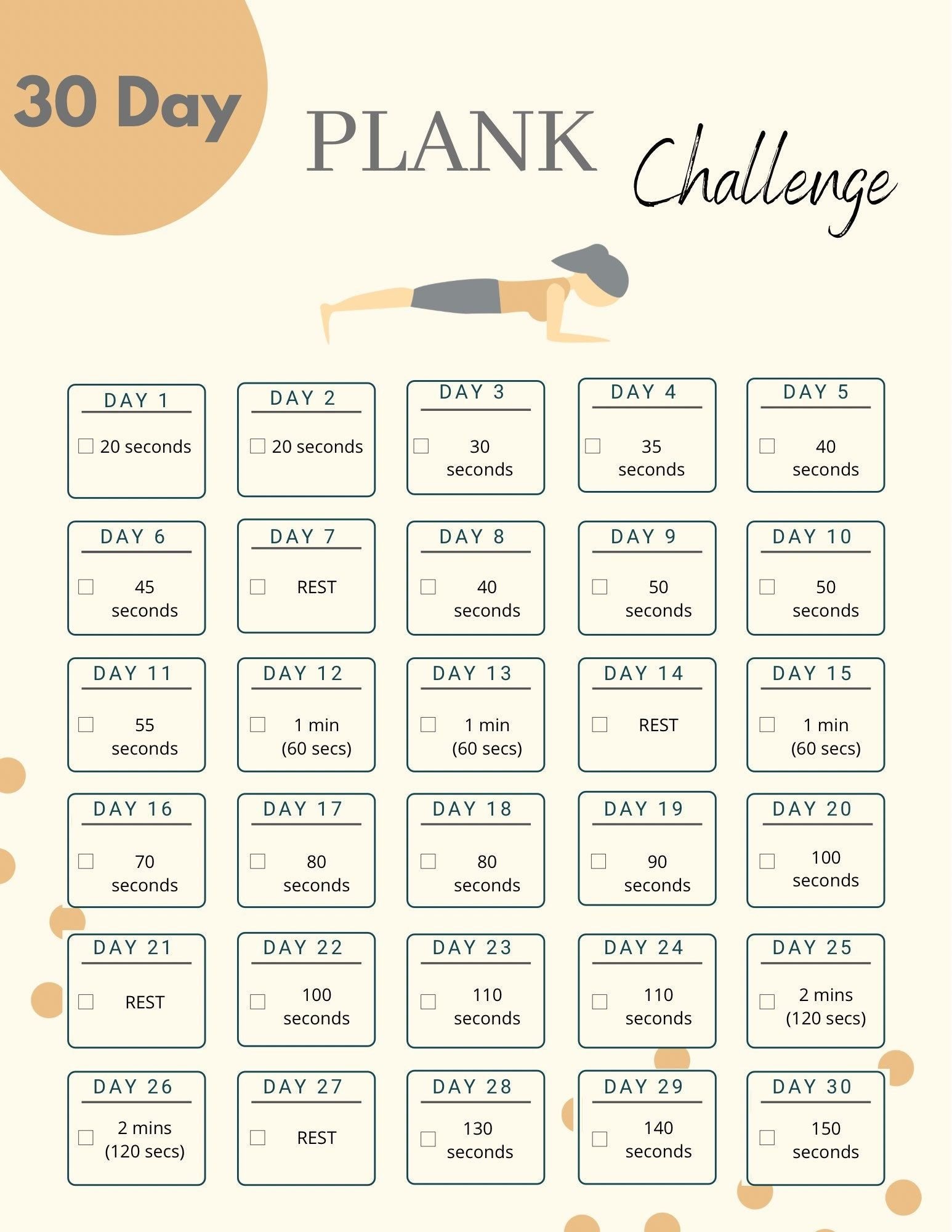
Plank challenge has become a popular fitness trend among people looking to strengthen their core and improve overall body stability. This 30-day program is designed to gradually increase your ability to hold a plank, starting from just 10 seconds on day one and building up to 5 minutes by the end of the month. Whether you’re a beginner or an experienced athlete, the plank challenge offers a variety of benefits and can be adapted to suit different fitness levels.
What Is the Plank Challenge?
The plank challenge is a structured exercise routine that focuses on strengthening the core muscles. It involves holding a plank position for increasing amounts of time each day. A plank is a bodyweight exercise that requires you to maintain a straight line from your head to your heels while supporting your weight on your forearms and toes. This exercise targets multiple muscle groups, including the abs, obliques, glutes, back, and shoulders.
The goal of the plank challenge is not only to build endurance but also to improve posture, balance, and stability. By consistently practicing planks, you can enhance your physical performance in daily activities and sports.
Benefits of the Plank Challenge
-
Strengthen Core Muscles: Planks engage all the core muscles, including the rectus abdominis, transverse abdominis, and obliques. Unlike crunches, which target only the abdominal muscles, planks provide a more comprehensive workout.
-
Improve Stability and Balance: A strong core is essential for maintaining balance and stability during movements like bending, twisting, and lifting. Planks help develop the necessary strength to perform these actions with ease.
-
Reduce Back Pain: Strengthening the core can help alleviate lower back pain by improving spinal alignment and reducing the risk of injuries. Studies have shown that core stabilization exercises can be effective in managing chronic low back pain.
-
Build Endurance: Gradually increasing the duration of your plank holds helps build muscular endurance. This can translate into improved stamina for other physical activities.
-
Enhance Posture: Planks promote good posture by strengthening the muscles that support the spine. Improved posture can reduce strain on the neck, shoulders, and back.
How to Get Started with the Plank Challenge
To begin the plank challenge, it’s important to master the correct form. Here are some steps to follow:
- Start in a push-up position with your hands directly under your shoulders and your feet hip-width apart.
- Lower your body so that your forearms are on the ground, keeping your elbows aligned with your shoulders.
- Engage your core by drawing your navel toward your spine and squeezing your glutes.
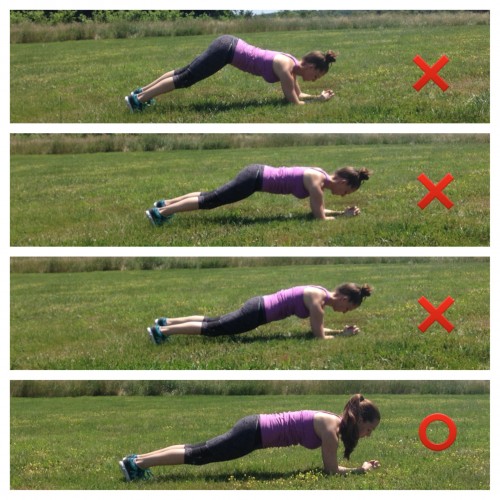
- Maintain a straight line from your head to your heels, avoiding any sagging or arching of the back.
- Hold this position for the designated time for each day of the challenge.
It’s essential to focus on proper technique to avoid injury and maximize the benefits of the exercise. If you find it challenging to hold a plank for even a few seconds, start with shorter durations and gradually increase the time as your strength improves.
Tips for Success

-
Consistency is Key: To see results, it’s crucial to perform the plank challenge daily. Consistency helps build endurance and strengthens the core muscles over time.
-
Focus on Form: Prioritize correct form over duration. Even if you can’t hold a plank for long, maintaining proper alignment will ensure that you’re targeting the right muscles.
-
Incorporate Variations: To keep the challenge interesting and prevent plateaus, try different plank variations such as side planks, high planks, and plank jacks. These variations target different muscle groups and add variety to your routine.
-
Stay Hydrated and Rest: Proper hydration and adequate rest are essential for recovery and muscle growth. Make sure to drink enough water and get sufficient sleep to support your fitness goals.
-
Listen to Your Body: If you experience pain or discomfort, adjust the intensity of your workouts. It’s important to listen to your body and avoid pushing yourself too hard.
Common Mistakes to Avoid
While performing planks, it’s easy to fall into bad habits that can reduce the effectiveness of the exercise. Some common mistakes include:
-
Sagging Hips: Allowing your hips to drop can place unnecessary strain on your lower back. Keep your body in a straight line from head to heels.
-
Arched Back: An arched back can compromise your form and reduce the engagement of your core muscles. Maintain a neutral spine throughout the exercise.
-
Holding Your Breath: Breathing properly is essential for maintaining control and preventing fatigue. Breathe steadily throughout the plank.
-
Rushing Through the Exercise: Taking your time and focusing on quality over quantity will yield better results. Perform each plank with intention and control.
Conclusion
The plank challenge is an excellent way to improve core strength, stability, and overall fitness. By following a structured routine and focusing on proper form, you can achieve significant improvements in your physical health. Whether you’re a beginner or an advanced athlete, the plank challenge offers a versatile and effective way to enhance your workout regimen. So, grab a mat, set a timer, and start your journey to a stronger, healthier you.