

The Global Movement for Mental Health: Understanding Its Impact and Importance
The Rise of the Mental Health Movement
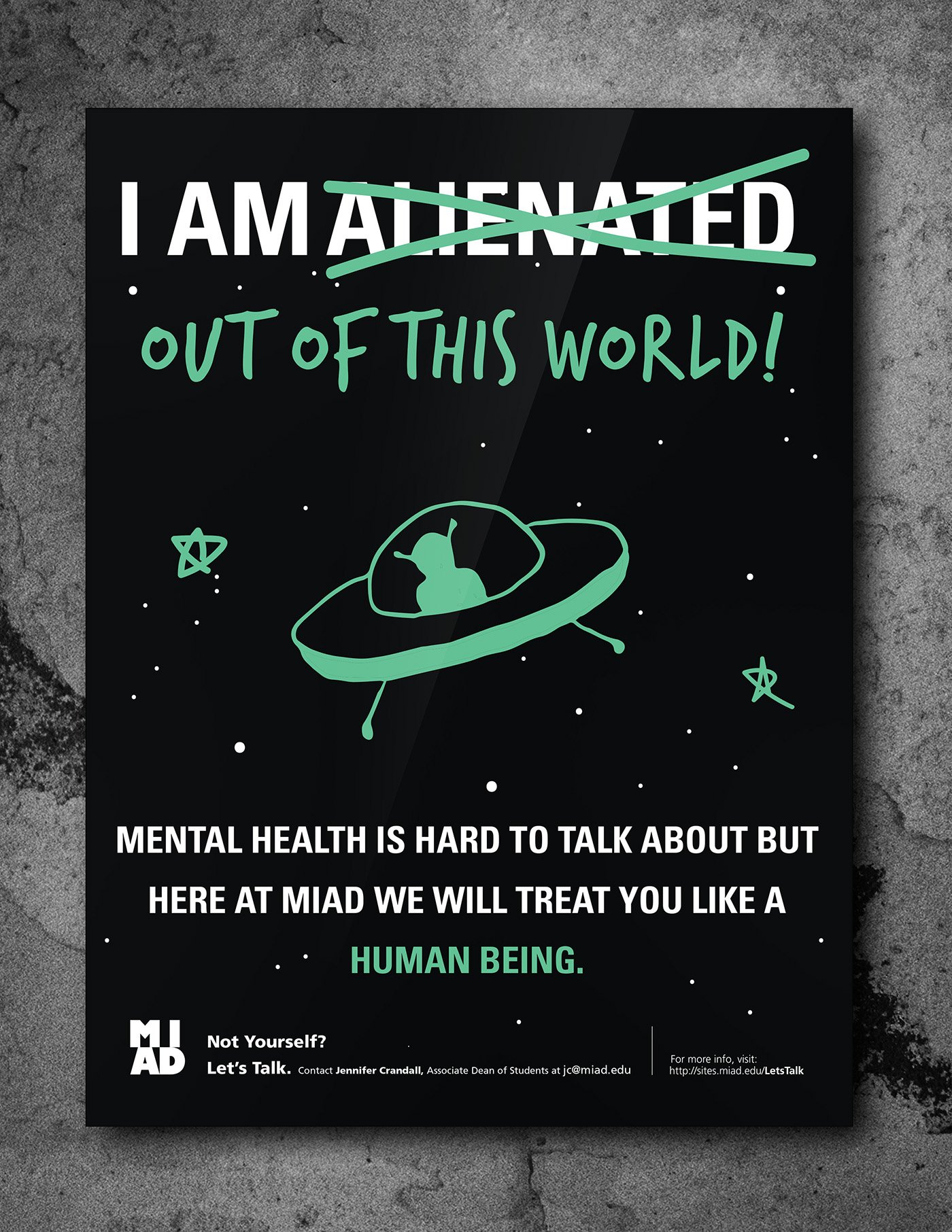
The global movement for mental health has gained significant momentum in recent years, driven by a growing awareness of the importance of mental well-being. With nearly 1 in 7 people worldwide living with a mental health condition, totaling roughly 1.1 billion people, it’s clear that mental health is a critical public health issue. This movement seeks to reduce stigma, increase help-seeking behavior, and connect individuals to essential care they might otherwise avoid. Through various initiatives and campaigns, the movement aims to create a more supportive and understanding society.
Why Awareness Efforts Matter

Anxiety and depression are the two most common mental health conditions globally, affecting approximately 359 million and 280 million people respectively. Despite their prevalence, stigma remains a significant barrier to treatment. People often delay seeking help due to fear of judgment, lack of recognition of symptoms, or uncertainty about where to turn. Awareness efforts directly address these obstacles by normalizing mental health challenges, teaching people to recognize warning signs, and making resources visible.
Public campaigns have demonstrated measurable effects. For instance, a statewide suicide prevention campaign in Louisiana used billboards, bus boards, radio spots, and print ads, leading to increased call volume at the state’s suicide hotline over several years. Similarly, media campaigns targeting young people have been linked to increased primary care and mental health visits, greater willingness to reach out for help, and higher likelihood of intervening when someone else appears at risk.
Training for Recognition and Response
One effective approach to promoting mental health awareness is through training programs like Mental Health First Aid (MHFA). This structured training program teaches non-professionals how to recognize signs of mental health problems and offer initial support. Systematic reviews show that MHFA consistently increases trainees’ knowledge of mental health conditions, reduces stigma, strengthens belief in effective treatments, and builds confidence in helping someone in distress.
For organizations looking to implement awareness efforts, offering MHFA training is a concrete step. It provides people with a shared vocabulary and a sense of competence that generic awareness messaging alone cannot provide.
Starting Early in Schools
Mental health education works best when it reaches people at a young age. A controlled study of a youth mental health curriculum found that after 12 weeks, students who received the program scored significantly higher on mental health knowledge, held less stigmatizing attitudes, used more adaptive coping strategies, and reported lower perceived stress compared to those who did not receive it.
However, the curriculum didn’t significantly change students’ help-seeking tendencies. This suggests that knowledge alone isn’t enough to get young people to reach out. Pairing classroom education with visible, accessible support systems such as school counselors, peer groups, and anonymous hotlines helps bridge the gap between understanding mental health and acting on that understanding.
Making the Case in the Workplace
For anyone advocating within a workplace, the financial case for mental health awareness is compelling. A site-level analysis of 19 employer cohort studies found that companies investing in enhanced behavioral health services saved an average of $2.30 for every dollar spent, with all 19 employers experiencing a net positive return. These savings come primarily from reduced overall healthcare costs, as untreated mental health conditions drive up medical spending across the board.
Framing mental health awareness initiatives as cost-saving strategies with a 2:1 return on investment tends to be more effective than framing them purely as wellness benefits.
Building Peer Support Networks
Peer support, where people with lived experience of a mental health condition support others going through similar challenges, is one of the most powerful awareness tools available. It works because it makes people feel normal. Participants in peer programs consistently describe feeling less alone, more accepted, and part of a community. They use words like “connected” and “family” to describe the experience.
Beyond the emotional benefits, peer support improves practical self-management. People in these programs report better awareness of their own early warning signs, improved self-care routines, and earlier intervention when symptoms return.
Using Language That Reduces Stigma
The language used in any awareness effort shapes how people think about mental health. Person-first language, such as “a person with schizophrenia” rather than “a schizophrenic,” changes whether the listener sees a whole person or a diagnosis. Avoid labeling groups as “vulnerable” or “high-risk,” which are both vague and stigmatizing. Instead, name the actual factor creating disadvantage: “communities with limited access to mental health services” or “populations disproportionately affected by housing instability.”
When possible, ask people how they want to be described. Some communities prefer identity-first language, and respecting that preference is itself an act of awareness.
Sharing Stories Safely
Personal stories are among the most compelling tools for raising awareness, but sharing lived experience carries real risks. Research on people who share mental health recovery stories reveals a careful process of deciding what to disclose, when, and to whom. People gauge their audience’s receptiveness and adjust accordingly, sharing more when they sense understanding and holding back when they anticipate judgment.
For anyone organizing storytelling events or campaigns, a practical guideline is to keep the emotional intensity of shared content between a 1 and a 4 on a scale of 10. This means avoiding graphic descriptions of trauma, abuse, or suicide attempts. The goal is to convey the reality of the experience while leaving the audience with hope rather than distress.
Running Effective Social Media Campaigns
Digital platforms extend awareness efforts far beyond any single event or location. Campaigns that perform well on social media tend to be interactive, unfold over time, and give participants something to do rather than just something to read. For example, a suicide prevention campaign called “Buddies for Suicide Prevention” ran for four months across Instagram and Facebook, engaging the public through poster-making contests, slogan-writing competitions, script submissions, and a short film contest.
Another campaign on migraine awareness used daily polls asking followers to weigh in on common myths, then revealed the facts the following day. This back-and-forth format kept people returning to the page. On the final day, a video from health professionals tied everything together.
Advocating for Policy Change
Individual awareness efforts matter, but systemic change is what makes mental health care accessible at scale. In the United States, the Mental Health Parity and Addiction Equity Act requires that health plans treat mental health and substance use disorder benefits the same as medical and surgical benefits. This means copays, visit limits, and other restrictions on mental health care cannot be more burdensome than those applied to physical health care.
Awareness of these protections is itself a form of mental health advocacy. Sharing this information through your campaign helps people recognize when their insurance is falling short and empowers them to push back.