

How to Use a Mood Tracker for Better Mental Health and Emotional Awareness
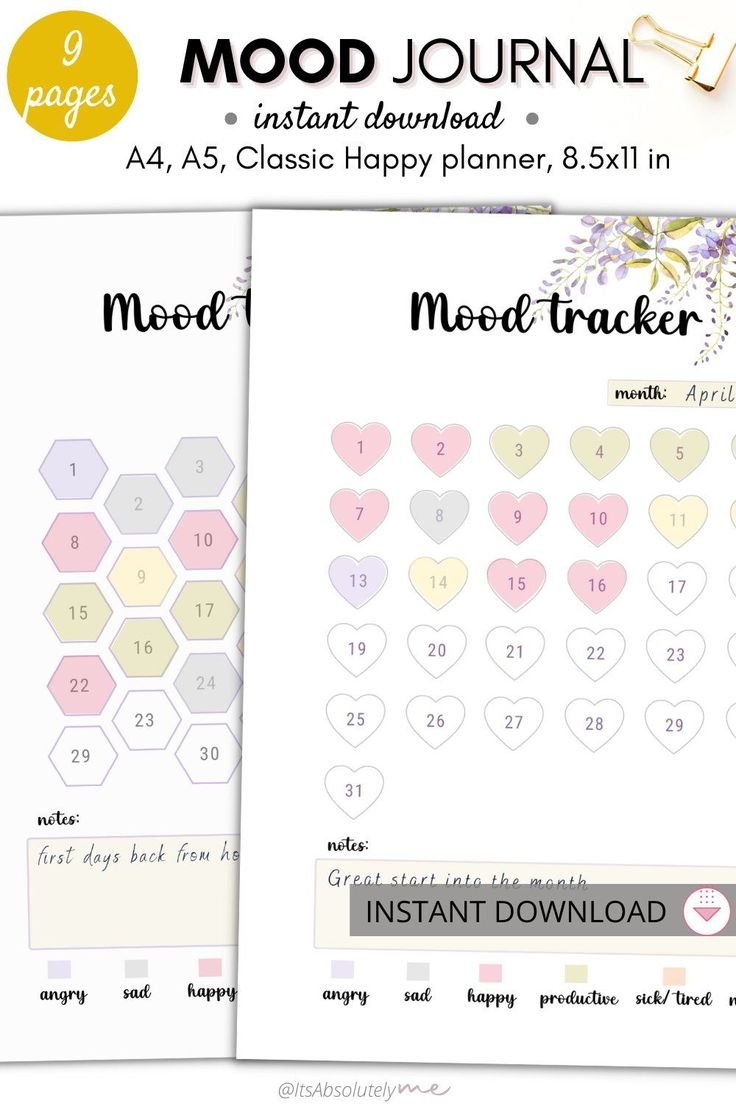
In today’s fast-paced world, it’s easy to lose touch with our emotions. Our moods can shift rapidly, often without us fully understanding why. This is where a mood tracker becomes an invaluable tool. By consistently monitoring your emotional state, you can gain deeper insight into your mental health, identify patterns, and make informed decisions that support your well-being. Whether you’re dealing with stress, anxiety, or simply looking to improve your emotional awareness, a mood tracker can help you take control of your mental health journey.
What is a Mood Tracker?
A mood tracker is a simple yet powerful tool designed to help you monitor and understand your emotional state over time. It can be as basic as a journal entry or as sophisticated as a digital app. The goal is to record your feelings, thoughts, and experiences in a structured way so you can recognize patterns and triggers that affect your mood.
Benefits of Using a Mood Tracker
-
Improved Emotional Awareness
A mood tracker helps you become more attuned to your emotions. By regularly reflecting on how you feel, you can better understand what influences your mood and how to respond to it. -
Identifying Triggers
Tracking your moods allows you to pinpoint specific events, people, or situations that cause emotional shifts. This awareness can help you avoid or manage these triggers more effectively. -
Enhanced Self-Reflection
Writing down your feelings encourages self-reflection, which is essential for personal growth and emotional resilience. -
Better Mental Health Management
Consistent tracking can help you recognize early signs of distress, allowing you to take proactive steps to address them before they escalate. -
Increased Accountability
A mood tracker keeps you accountable for your emotional well-being. It serves as a reminder to prioritize self-care and make healthier choices. -
Improved Communication
Understanding your emotions better can help you communicate more effectively with others, leading to stronger relationships and greater emotional support.
How to Start Using a Mood Tracker

Starting a mood tracking practice doesn’t have to be complicated. Here are some simple steps to get you started:
1. Choose Your Method
Decide whether you prefer a physical journal, a digital app, or a combination of both. Some popular options include:
– Physical Journals: Ideal for those who enjoy the tactile experience of writing.
– Digital Apps: Convenient for tech-savvy individuals who want to track their moods on the go.
– Bullet Journals: A creative way to combine mood tracking with other organizational tasks.
2. Set a Routine
Consistency is key. Choose a time of day that works best for you—whether it’s first thing in the morning, during lunch, or before bed. Aim to track your mood at least once a day.
3. Record Your Emotions
Use a simple scale (e.g., 1–10) to rate your mood. You can also note specific emotions such as happiness, sadness, anxiety, or calmness. Include brief descriptions of what you were doing or feeling at the time.
4. Track External Factors
Note any external factors that may have influenced your mood, such as:
– Interactions with others
– Work or school stress
– Physical activity
– Sleep quality
– Diet
5. Reflect on Patterns
Over time, review your entries to identify recurring patterns. Look for connections between your mood and specific events, habits, or environments.
Tips for Effective Mood Tracking
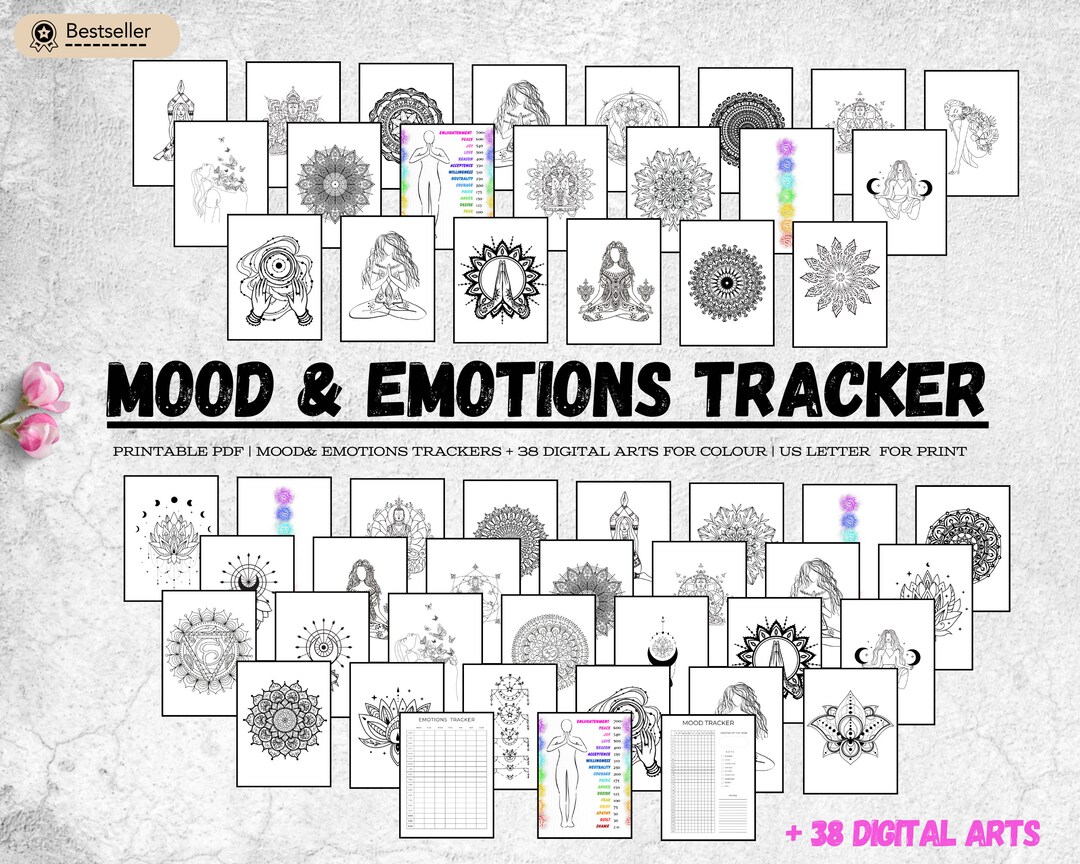
To make the most of your mood tracker, consider the following tips:
- Be Honest: Don’t shy away from difficult emotions. Honesty is crucial for accurate self-assessment.
- Stay Consistent: Even if you only spend a few minutes each day, consistency will yield the best results.
- Use Prompts: If you’re unsure what to write, use prompts like:
- “What made me feel happy today?”
- “What triggered my stress?”
- “How did I handle my emotions?”
- Review Regularly: Take time each week to reflect on your entries and adjust your approach as needed.
- Combine with Other Practices: Pair mood tracking with journaling, meditation, or therapy for a more holistic approach to mental health.
Common Emotions to Track
While there’s no right or wrong set of emotions to track, here are some common ones to consider:
– Happy
– Sad
– Anxious
– Angry
– Calm
– Excited
– Frustrated
– Grateful
When to Seek Professional Help
While a mood tracker can be a helpful tool, it’s important to remember that it’s not a substitute for professional mental health care. If you’re experiencing persistent symptoms of depression, anxiety, or other mental health issues, consult a licensed therapist or psychiatrist. They can provide personalized guidance and support tailored to your needs.
Conclusion
Using a mood tracker is a simple yet effective way to enhance your emotional awareness and take charge of your mental health. By consistently monitoring your emotions, you can gain valuable insights, identify patterns, and make informed decisions that support your well-being. Whether you choose a physical journal, a digital app, or a combination of both, the key is to stay committed to the practice. With time and dedication, a mood tracker can become an essential part of your self-care routine, helping you navigate life with greater clarity and resilience.