

The Ultimate Guide to Maintaining Good Mental Health Through Journaling
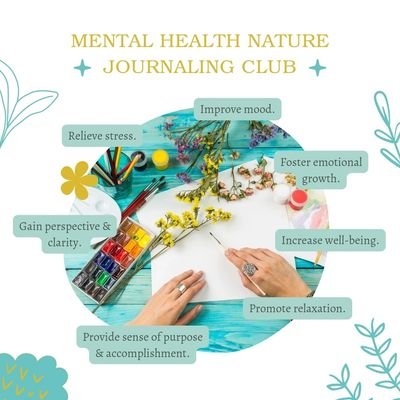
Journaling has emerged as a powerful tool for maintaining good mental health, offering a safe space to explore thoughts, emotions, and experiences. Whether you’re dealing with stress, anxiety, or simply seeking self-reflection, journaling can be a transformative practice that supports emotional well-being.
What is Journaling?
Journaling is the act of regularly writing down your thoughts, feelings, experiences, and reflections. It serves as a way to support mental health, explore your inner self, understand your emotions, and express thoughts that you might not feel comfortable sharing with others. Some people use their journal as a diary to document daily events and their reactions, while others use it as a tool to delve into their innermost thoughts and feelings, away from judgment or expectations.
The Benefits of Journaling for Mental Health

Journaling offers numerous benefits for mental health, including:
- Reduced Anxiety: Writing about your feelings is linked to decreased mental distress. Studies have shown that individuals who write online for 15 minutes three days a week over a 12-week period experienced increased feelings of well-being and fewer depressive symptoms.
- Emotional Regulation: Brain scans of people who wrote about their feelings showed they were better at controlling their emotions than those who wrote about neutral topics.
- Increased Self-Awareness: Writing down your feelings about a difficult situation can help you understand it better. The act of putting an experience into words allows you to form new perceptions about events.
- Improved Physical Health: Research suggests that journaling may also impact physical health. For instance, adults who wrote about their feelings on upsetting events healed faster after a biopsy compared to those who wrote about daily activities.
How to Start a Journaling Practice

Starting a journaling practice can feel unfamiliar at first, especially if it’s something you haven’t tried before. However, think of journaling as a safe, supportive space—a place where you can gently explore your thoughts, frustrations, and emotions without judgment. Here are six steps to help you begin:
- Choose Your Medium: Select a traditional notebook, a digital app, or a document on your computer. Choose a format that you find inviting and convenient.
- Create a Routine: Find a time of day that suits your schedule and dedicate it to your journaling practice. Consistency helps incorporate journaling into your daily life.
- Find a Comfortable Space: Choose a quiet spot where you can write without interruptions. This could be a cozy corner of your home, a park bench, or any place you feel at ease.
- Write Regularly: Aim to write in your journal daily, even if it’s just a few sentences. Regular writing helps develop the habit and makes journaling a core part of your mental health routine.
- Let Go of Judgment: Approach your journaling with an open mind and heart. This is your private space, so release any concerns about grammar, spelling, or negative self-talk.
- Be Authentic: Express your true thoughts and feelings in your journal. The more honest you are with yourself, the more beneficial journaling can be.
Journaling Prompts for Mental Health
If you’re unsure where to begin, journaling prompts for mental health can provide that helpful nudge to get you started. These prompts can help you explore your thoughts and emotions more deeply. Here are some examples:
- Daily Journaling Prompts:
- What were today’s best and most challenging moments?
- How did you nurture your mental health today?
-
What’s one thing you learned about yourself today?
-
Gratitude Prompts:
- What are you grateful for, even if it feels small or insignificant right now?
-
What are three things you’re grateful for today, and why?
-
Emotional Check-ins:
- How do you feel right now, and what’s contributing to those feelings?
-
What emotions have you felt most this week?
-
Self-Compassion Prompts:
- What’s one kind thing you can say to yourself today?
-
Write a letter of forgiveness to yourself for a mistake you’ve made.
-
Mindfulness Moments:
- What’s one thing you noticed today that you usually overlook?
-
How can you bring more mindfulness into your daily routine?
-
Anxiety Prompts:
- Why are you feeling anxious, and are your worries based on facts or assumptions?
-
What is one small step you can take today to ease your anxiety?
-
Depression Prompts:
- What thoughts or feelings are weighing on you, and how can you express them without judgment?
-
What small, achievable goals can you set for yourself today?
-
Goal-Setting Prompts:
- What is one short-term goal you’d like to achieve in the next month?
-
What steps can you take today to move closer to a long-term goal for this year?
-
Other Mental Health Prompts:
- Describe a place where you feel safe and at peace.
- What’s one habit you’d like to break or build, and why?
Harnessing the Power of Journaling
Journaling can become a vessel for emotions, victories, and challenges. Your mental health journey is unique, and journaling offers a way to honor that. Pick up a pen, choose a prompt, and start creating space for your thoughts today. With consistent practice, journaling can help you navigate life’s ups and downs with greater clarity, resilience, and self-awareness.