

The Ultimate Guide to Using a Massage Gun for Pain Relief and Recovery
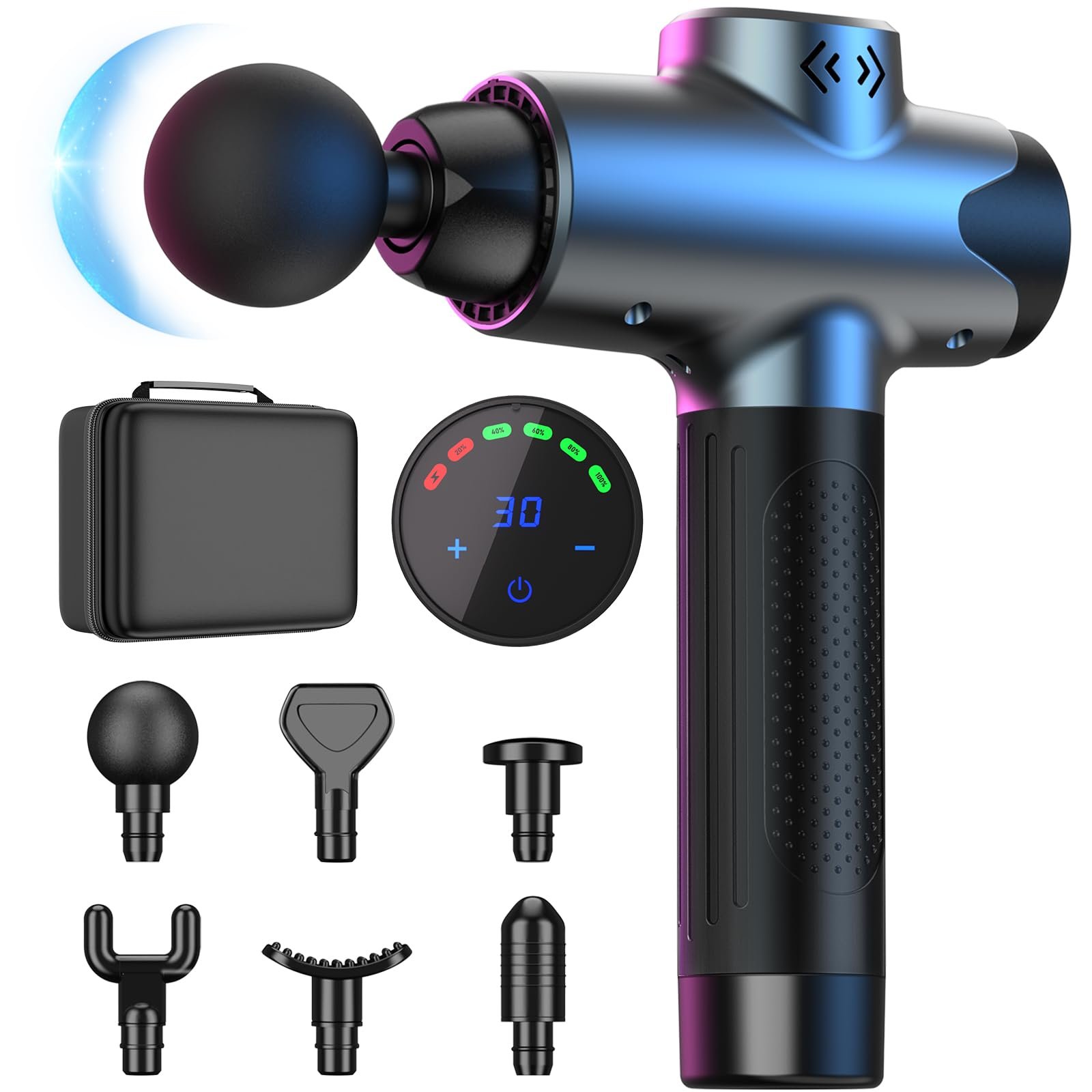
In today’s fast-paced world, muscle tension, stress, and physical fatigue are common issues that many people face. Whether you’re an athlete, a busy professional, or someone who spends long hours at a desk, the need for effective recovery tools has never been greater. One such tool that has gained popularity is the massage gun — a handheld device that delivers rapid pulses of pressure deep into your muscles, mimicking the effects of a deep tissue massage. This guide will explore how to use a massage gun effectively for pain relief, muscle recovery, and overall wellness.
What Is a Massage Gun?
A massage gun, also known as a percussive therapy device, is a portable tool designed to deliver targeted, rapid vibrations to muscle tissue. These vibrations help increase blood flow, reduce muscle tension, and promote faster recovery after workouts or long days of physical activity. According to the Cleveland Clinic, percussive therapy can improve flexibility, manage soreness, and reduce delayed-onset muscle soreness (DOMS) after exercise.
The technology behind these devices is based on percussive therapy, which involves using high-frequency impacts to stimulate muscle fibers and surrounding soft tissues. This method helps break up knots, ease discomfort, and enhance muscle function.
Benefits of Using a Massage Gun
-
Pain Relief
A massage gun can significantly reduce tension and discomfort in sore areas by targeting trigger points and promoting relaxation. -
Stress Relief
By increasing endorphin release, it helps alleviate mental and physical stress, making it an excellent tool for relaxation. -
Improved Circulation
The increased blood flow to targeted muscles enhances oxygenation and nutrient delivery, aiding in faster recovery. -
Better Mobility
Regular use can help release tight fascia, improving flexibility and range of motion. -
Sleep Support
Using a massage gun before bed can help unwind your body, leading to better sleep quality.
How to Use a Massage Gun Effectively

Using a massage gun correctly is essential to maximize its benefits and avoid injury. Here’s a step-by-step guide:
- Choose the Right Attachment
Most massage guns come with multiple attachments, each designed for different purposes: - Ball: For general use (quads, glutes, hamstrings)
- Bullet: For deep trigger points, feet, hands
- Flat: For sensitive or post-rehab areas
-
Fork: For either side of the spine (never on the bone)
-
Start on the Lowest Speed Setting
This helps your muscles adjust and prevents shock. Gradually increase intensity as needed. -
Glide It Slowly Across the Muscle
Move the device at about 1 inch per second. Avoid jabbing or pressing too hard. -
Spend 15–30 Seconds Per Area
Limit each muscle group to no more than 2 minutes to avoid overstimulation. -
Breathe and Relax During Use
A relaxed body improves muscle responsiveness. -
After Use
Gently stretch, hydrate, and allow your body to recover.
When to Use a Massage Gun
- Pre-Workout: Use briefly on major muscle groups (e.g., quads, hamstrings, glutes) for about 30 seconds each. This can increase blood flow and activate the muscles before exercise.
- Post-Workout: Wait 30 to 60 minutes after intense activity before using the massage gun. Use slower settings to promote recovery and circulation.
- Daily Use: Most people benefit from using a massage gun once or twice a day, depending on physical activity and muscle soreness.
Where Not to Use a Massage Gun
While massage guns are highly effective for muscle recovery, they should not be used indiscriminately. Certain areas of the body are too delicate or risky for percussive therapy:
- Spine or Neck: Direct use on the spine or cervical area can irritate nerves and joints.
- Joints or Bony Areas: Bones and joints lack muscle padding, which can lead to bruising or discomfort.
- Varicose Veins or Inflamed Tissue: Massage guns can worsen vein damage or increase inflammation.
- Open Wounds, Bruised Skin, or Rashes: Using a massage gun on broken skin increases the risk of infection.
- Abdomen During Pregnancy: Avoid using on the abdomen, lower back, or hips unless under professional supervision.
- Numb, Tingling, or Injured Areas: These signs may indicate nerve involvement or acute injury.
Safety Guidelines & Precautions
- Do:
- Start on the lowest setting.
- Test new areas gently.
- Stop if you feel sharp or nerve-like pain.
-
Clean attachments regularly.
-
Don’t:
- Use on broken skin, bruises, or swelling.
- Apply pressure directly to bones or joints.
- Use while intoxicated or fatigued.
- Use if you have a pacemaker (consult your doctor first).
Final Thoughts
When used mindfully, a massage gun is more than just a recovery tool — it’s a wellness enhancer. Combine smart usage with stretching, hydration, and rest for maximum results. Whether you’re chasing performance or looking to de-stress after a long day, your massage gun can be your secret weapon for a healthier, more balanced life.