

The Power of Loving-Kindness Meditation: How to Cultivate Compassion and Inner Peace
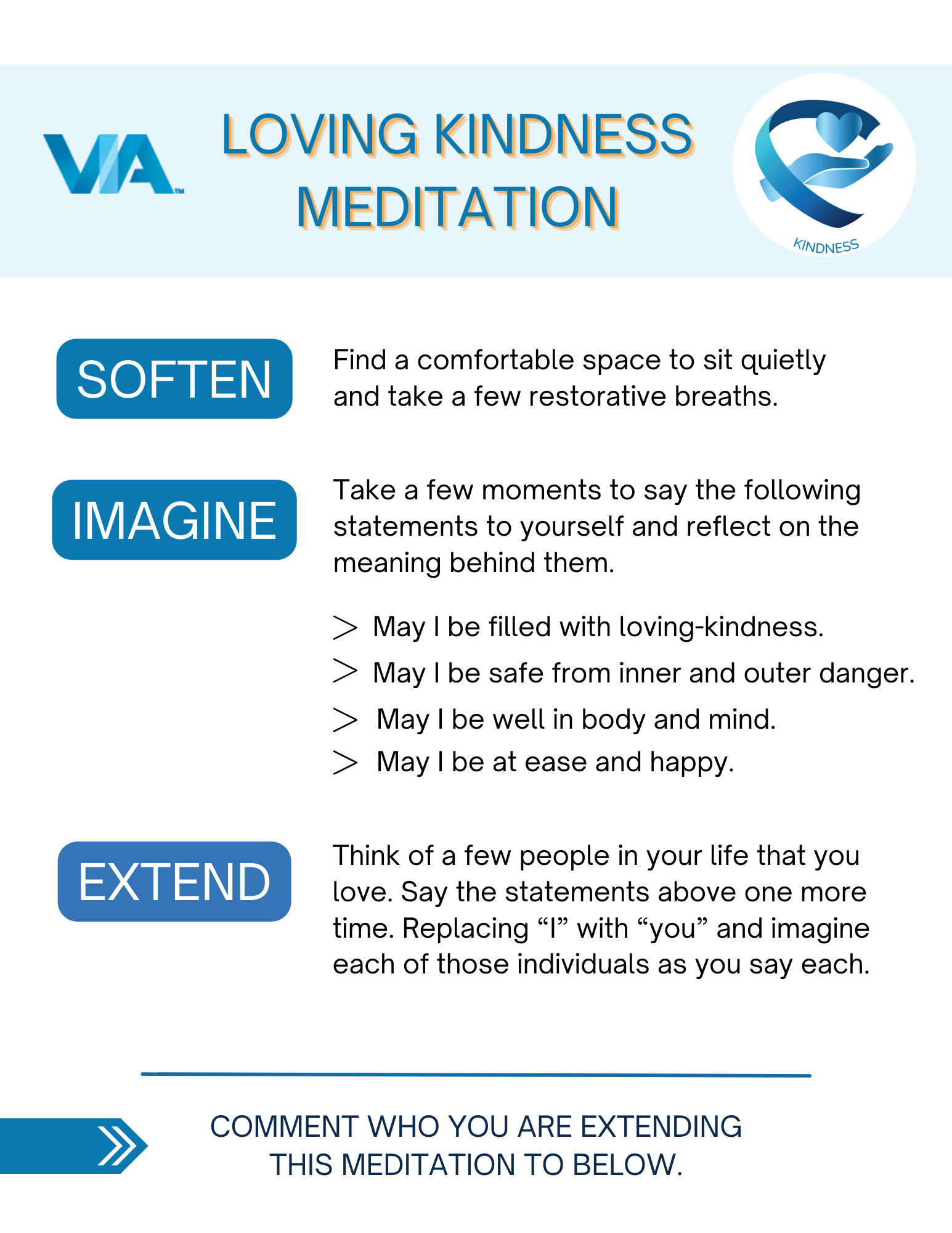
Loving-kindness meditation, known as metta bhavana in Buddhist traditions, is a powerful practice that fosters compassion, empathy, and inner peace. Rooted in ancient teachings, this form of meditation has gained renewed attention in the modern world due to its scientifically backed benefits for mental and emotional well-being. In a time when stress, anxiety, and social fragmentation are common, loving-kindness meditation offers a path to healing and connection.
What Is Loving-Kindness Meditation?
Loving-kindness meditation is a mindfulness practice that focuses on generating feelings of love, kindness, and compassion towards oneself and others. It is part of the Four Brahma Viharas—Buddhist meditative practices that include metta (loving-kindness), karuna (compassion), mudita (appreciative joy), and upekkha (equanimity). These practices aim to transform negative emotions into positive ones, creating a foundation for inner peace and harmony.
The essence of metta lies in its universality. Unlike conditional or personal forms of love, metta is an impersonal, boundless affection that extends to all living beings. This kind of love is not based on expectations or reciprocation but is a pure, selfless wish for the happiness and well-being of others.
The Science Behind Loving-Kindness Meditation
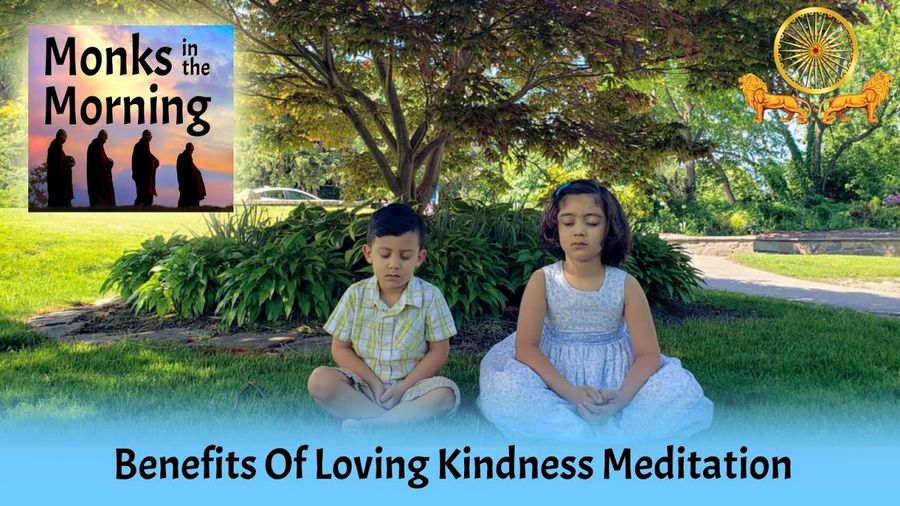
Modern research has validated many of the ancient claims about the benefits of loving-kindness meditation. Studies show that regular practice can reduce stress, improve emotional resilience, and enhance overall mental health. Here are some key scientific findings:
- Reduced Self-Criticism: LKM helps quiet the inner critic, leading to greater self-acceptance and reduced self-harm tendencies.
- Enhanced Wellbeing: Research indicates that LKM increases vagal tone, a physiological marker of emotional and physical health.
- Improved Relationships: By fostering empathy and compassion, LKM strengthens social connections and improves interpersonal relationships.
- Lower Stress Levels: LKM reduces cortisol, the stress hormone, promoting a sense of calm and relaxation.
- Better Mental Health: Studies have shown that LKM can alleviate symptoms of depression, anxiety, and PTSD.
These findings highlight the transformative potential of loving-kindness meditation, making it a valuable tool for both personal growth and societal well-being.
How to Practice Loving-Kindness Meditation

Practicing loving-kindness meditation is simple yet profound. Here’s a step-by-step guide to help you get started:
- Find a Quiet Space: Choose a peaceful place where you won’t be disturbed. Sit comfortably, either on a chair or on the floor.
- Close Your Eyes and Breathe: Take a few deep breaths to center yourself and bring your attention inward.
- Start with Yourself: Silently repeat phrases like, “May I be happy. May I be healthy. May I be safe. May I live with ease.”
- Extend to Loved Ones: Think of someone you care about and repeat the same wishes for them.
- Include Neutral People: Focus on someone you neither like nor dislike, extending the same loving-kindness to them.
- Turn to Difficult People: Gently extend your wishes to someone you have conflicts with, aiming to cultivate understanding and compassion.
- Embrace All Beings: Finally, expand your loving-kindness to include all living beings, from the people around you to the entire universe.
The Benefits of Regular Practice
Consistent practice of loving-kindness meditation can lead to lasting changes in both mind and body. Some of the most notable benefits include:
- Increased Empathy and Compassion: LKM helps individuals develop a deeper understanding of others, fostering stronger, more meaningful relationships.
- Reduced Anxiety and Depression: By focusing on positive emotions, LKM helps break the cycle of worry and fear.
- Improved Emotional Resilience: Regular practice builds mental strength, helping individuals cope better with life’s challenges.
- Physical Health Improvements: LKM has been linked to lower blood pressure, improved immune function, and reduced chronic pain.
These benefits make loving-kindness meditation a holistic practice that supports both mental and physical well-being.
Overcoming Challenges
Like any new practice, loving-kindness meditation can come with challenges. Here are some common obstacles and how to overcome them:
- Difficulty Focusing: Start with short sessions and gradually increase the duration. Guided meditations can also help maintain focus.
- Negative Emotions: It’s normal to experience difficult emotions during meditation. Acknowledge them without judgment and return to the loving-kindness phrases.
- Resistance to Difficult People: Begin with neutral individuals and slowly work your way up to those you find challenging.
- Impatience: Progress takes time. Celebrate small victories and stay committed to the practice.
Remember, the goal of LKM is not perfection but progress. Every session contributes to your journey toward greater compassion and inner peace.
Conclusion
Loving-kindness meditation is more than just a spiritual practice—it’s a powerful tool for transforming your relationship with yourself and others. By cultivating compassion, empathy, and inner peace, this practice can enhance your mental and emotional well-being while improving your connections with the world around you.
Whether you’re seeking relief from stress, a deeper sense of purpose, or simply a way to connect with others, loving-kindness meditation offers a path forward. With consistent practice, you can unlock the profound benefits of this ancient wisdom and create a more compassionate, fulfilling life.