
The Power of Letting Go: How to Release What No Longer Serves You

Letting go is a powerful act that can transform your life. It’s not just about forgetting the past, but about releasing what no longer serves you—whether it’s negative emotions, harmful habits, or unfulfilling relationships. In a world filled with constant demands and pressures, the need to release stress, emotions, and negative energy has never been more crucial. This article explores the importance of letting go and provides practical steps to help you move forward with clarity and peace.
Understanding the Concept of Letting Go
Letting go is the intentional act of releasing thoughts, feelings, or experiences that no longer serve you. It’s about detaching from anything that causes suffering or prevents you from moving forward. Whether it’s anxiety, past trauma, or overwhelming stress, holding onto negativity can manifest physically and emotionally, hindering your ability to enjoy life fully.
The Benefits of Letting Go
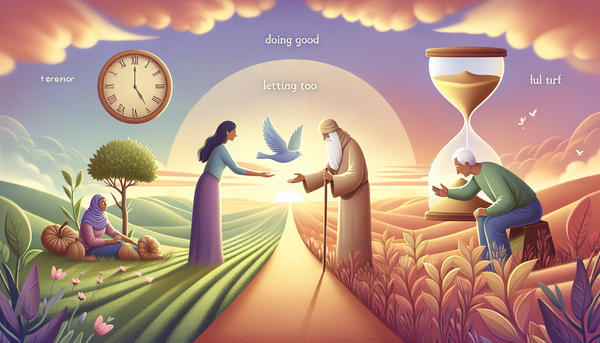
When you let go, you free yourself from emotional burdens and stop taking things personally. This process allows you to remove from your life anything that keeps you stuck in the past and which does not let you move forward. By releasing negative thoughts, unpleasant memories, and bad habits, you create space for positive change and growth.
- Emotional Freedom: Letting go reduces stress and promotes emotional well-being.
- Mental Clarity: Releasing negative thoughts clears your mind, allowing you to focus on the present.
- Personal Growth: Letting go opens the door to new opportunities and experiences.
Steps to Letting Go
-
Create a Safe Space
Before embarking on your journey of letting go, it’s essential to create an environment conducive to introspection and healing. Choose a space where you feel comfortable and safe. Ensure it’s free from distractions and enhance the atmosphere with elements that promote relaxation, such as soft music or calming scents. -
Ground Yourself
Grounding techniques are vital for connecting with the present moment. Practice deep breathing exercises or a body scan meditation to bring awareness to each part of your body and release tension. -
Identify What to Release
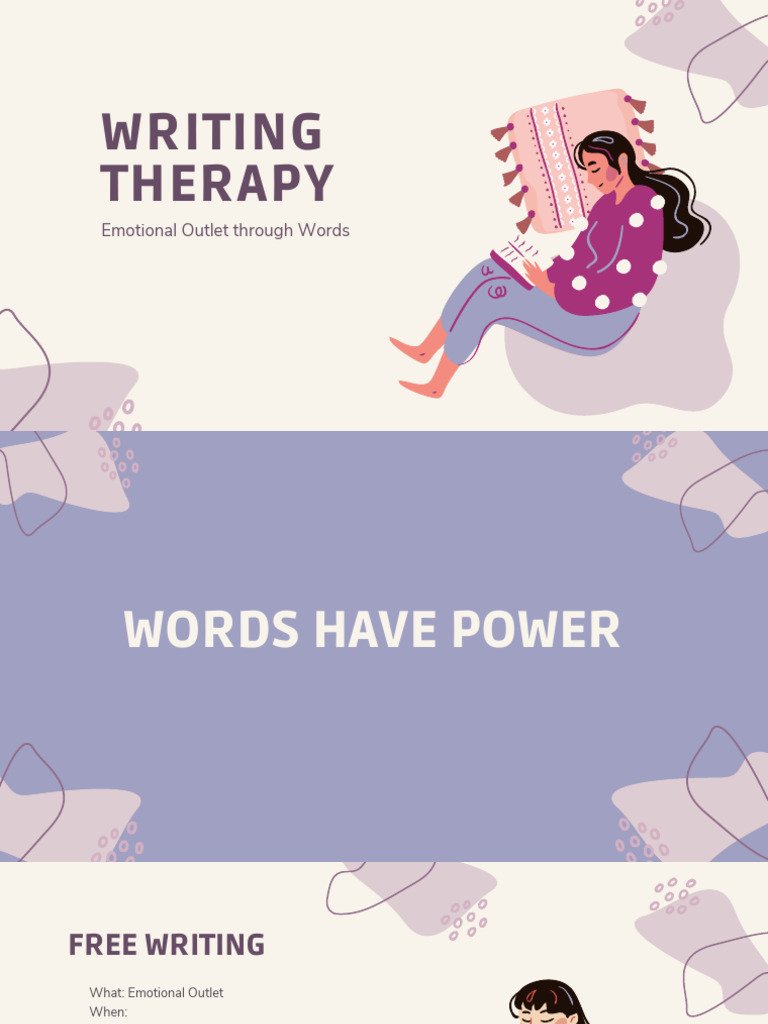
Reflect on your feelings and ask yourself questions like: What emotions am I feeling? What circumstances have caused me stress? What fears or anxieties am I holding onto? Journaling can be an effective tool here; write freely about your thoughts and feelings without filtering them. -
The Release Process
Use visualization techniques to picture the negative emotions or experiences as tangible objects and imagine placing them into a river or ocean where they drift away. Create personalized affirmations such as “I release all fear and embrace peace,” or “I let go of what no longer serves me.” -
Emotional Expression
Releasing often requires emotional expression. Engage in creative activities such as painting, writing, or dancing that allow for emotional release. Physical activity can also facilitate emotional expression through yoga, running, or stretches. -
Self-Care Rituals
After the release process, self-care becomes paramount in maintaining emotional balance. Incorporate mindfulness practices into your daily routine, such as meditation or focusing on your breath while eating. Nurture your body through nutrition and exercise to enhance mood stability. -
Seek Support
Sometimes the release process may bring up intense emotions that feel overwhelming. Consider speaking with a therapist or counselor who specializes in emotional release techniques. Lean on your support network by reaching out to friends or family members who can provide encouragement and understanding. -
Develop a Regular Practice
Letting go should not just be a one-time event but rather an ongoing practice. Schedule regular check-ins to reflect on what’s been bothering you lately. Use this time for journaling or meditation focused on identifying emotions that may need addressing again. Maintain healthy boundaries in relationships that drain your energy or create negativity.
The Importance of Letting Go in Spiritual Growth
Letting go is crucial for spiritual growth. It is one of the most important steps towards spiritual awakening. The ego, composed of your thoughts, feelings, beliefs, and habits, keeps you within your day-to-day awareness. To experience a broader consciousness, a sense of freedom, and happiness, you need to rise above your ego by letting go of the thoughts, feelings, and memories that hold you down.
Practical Tips for Letting Go

- Be Aware of Your Thoughts: Strive to be aware of the thoughts you think and ask yourself whether they are necessary and useful to you. If they are not, refuse to have anything to do with them.
- Shift Your Attention to Positive Thoughts: Focus on positive and happy thoughts to reduce the power of negative ones over you.
- Be Aware of Your Feelings: Be vigilant and avoid unhappy, angry, and resentful feelings. Trade them for happier ones.
- Make Peace with Yourself and Others: Anger, frustration, resentment, and grudges are useless. Work on eliminating them through repeated reflection on their harmful effects.
- Don’t Dwell on the Past: Living in the past is like throwing an anchor in a dangerous sea. Focus on the present and future instead.
- Don’t Take Things Personally: Not everything people say is about you. Develop self-esteem and inner strength to avoid being disturbed by others’ words.
Conclusion
The journey of letting go begins with intention. Start today by recognizing what no longer serves you and take the first steps toward releasing it for good. Embrace this transformative process and watch as it leads you toward profound emotional healing and personal empowerment. Letting go is not just about detachment; it’s about creating space for positivity and growth within yourself. By understanding the importance of release, following structured steps toward emotional freedom, and integrating self-care practices into your routine, you’ll cultivate resilience against life’s challenges.