

The Ultimate Guide to Building an Effective Home Gym Setup
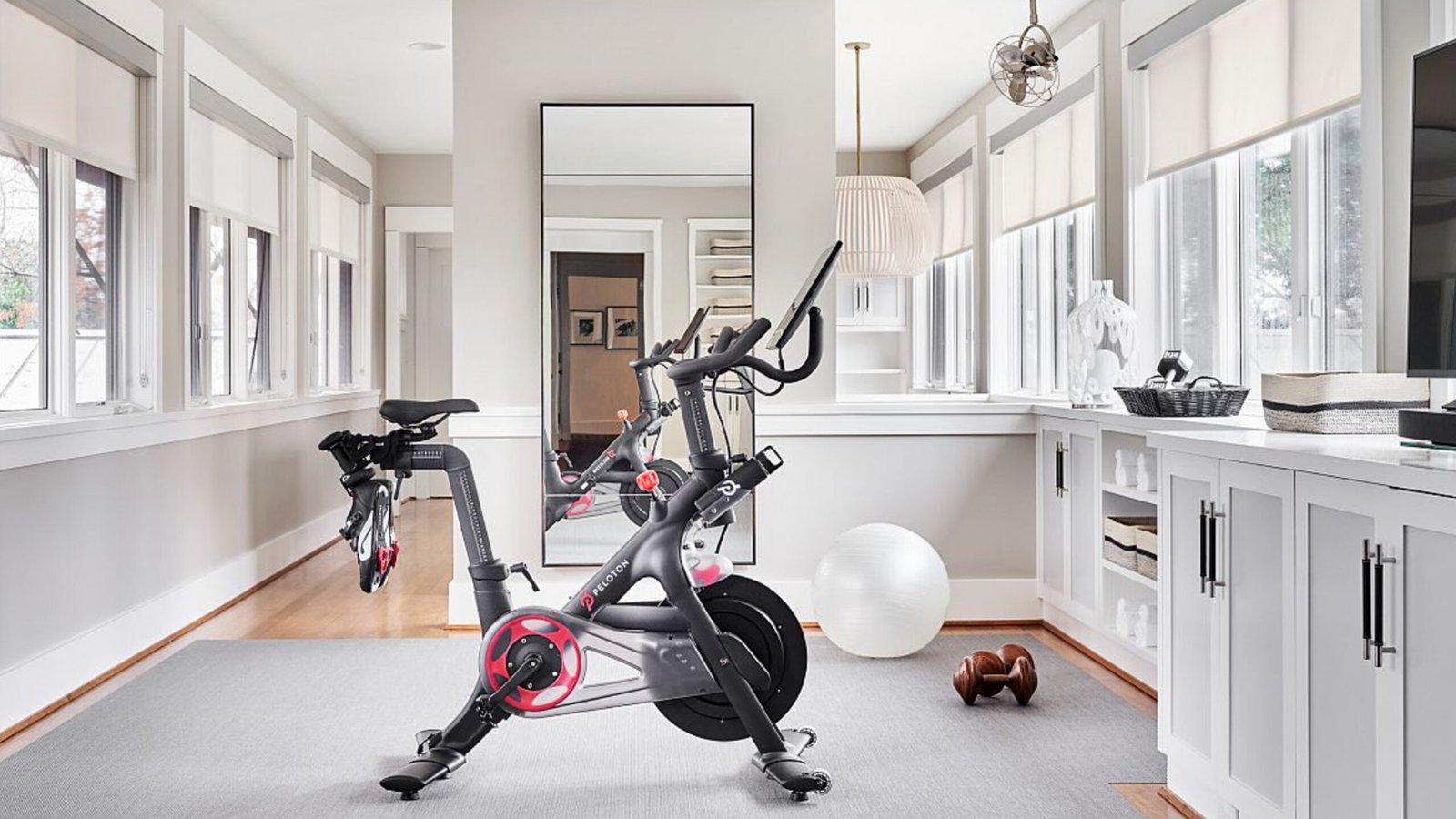
Building a home gym is no longer just a luxury—it’s becoming a necessity for many people who want to stay fit, save time, and avoid the hassle of going to a commercial gym. Whether you’re a beginner or an experienced lifter, setting up a home gym can be a rewarding investment in your health and lifestyle. The key is to create a space that’s functional, efficient, and tailored to your specific fitness goals.
1. Plan Your Space
Before you start buying equipment, it’s crucial to assess the space you have available. A home gym doesn’t need to be large—many people successfully set up effective workouts in small rooms, basements, or even a corner of their garage. Consider the following:
- Size: Determine how much room you have for equipment. If space is limited, prioritize compact and multi-functional gear.
- Lighting: Ensure the area is well-lit so you can see your movements clearly and avoid accidents.
- Ventilation: Good airflow is important for comfort and to prevent odors from building up.
- Flooring: Use rubber mats or sports flooring to protect your floor and reduce noise when dropping weights.
2. Choose the Right Equipment
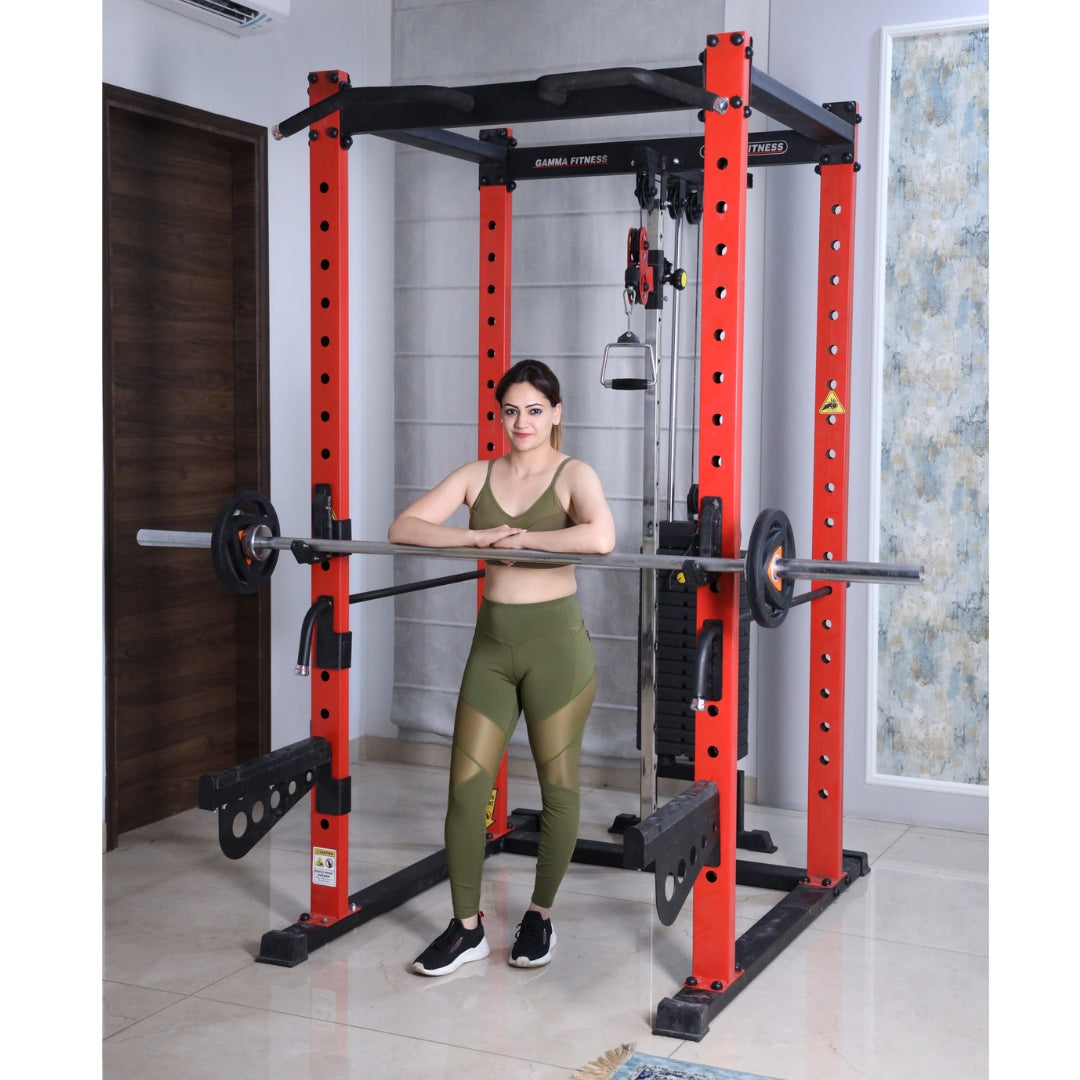
The equipment you choose will depend on your fitness goals. Here are some essential items to consider:
a. Squat Rack or Power Rack
A power rack is one of the most versatile pieces of equipment for a home gym. It allows you to perform squats, deadlifts, bench presses, and more. Look for a sturdy model with adjustable J-cups and a pull-up bar.
b. Barbells and Weight Plates
Invest in a quality barbell and a set of weight plates. For beginners, a standard Olympic barbell with 45-pound plates is a good starting point. As you progress, you can add specialty bars like a safety squat bar or a trap bar.
c. Adjustable Dumbbells
If you don’t have enough space for a full set of dumbbells, consider adjustable dumbbells. They take up less space and offer flexibility in weight selection.
d. Weight Bench
A flat or incline bench is essential for exercises like bench presses and rows. Choose a durable model that can support your weight and the plates you’ll be using.
e. Resistance Bands and Kettlebells
These are great for adding variety to your workouts and improving flexibility. Resistance bands are especially useful for bodyweight training and mobility work.
f. Cardio Equipment (Optional)
If you’re into cardio, consider adding a treadmill, stationary bike, or rowing machine. These can be great for warming up or cooling down after strength training.
3. Organize Your Gear

Keeping your home gym organized is key to maintaining a productive workout environment. Here are some tips:
- Storage Solutions: Use wall-mounted racks, shelves, or cabinets to store weights, dumbbells, and other equipment. This helps keep the floor clear and makes it easier to access what you need.
- Label Everything: Label your weight plates and dumbbells so you know exactly what you’re lifting.
- Keep It Tidy: After each workout, take a few minutes to put everything back in its place. This prevents clutter and keeps your space inviting.
4. Add Personal Touches
Your home gym should reflect your personality and motivate you to train consistently. Consider adding the following:
- Mirrors: Mirrors help you check your form and make the space feel larger.
- Music System: Set up a speaker system or use a smart speaker to play your favorite workout playlist.
- Decorations: Add motivational posters, plants, or artwork to create a positive and inspiring atmosphere.
5. Start Small and Expand
If you’re on a budget, start with the essentials and gradually add more equipment as your fitness goals evolve. Many people begin with a power rack, barbell, and a set of dumbbells, then expand their collection over time.
6. Maintain Your Equipment
Regular maintenance ensures your equipment lasts longer and performs better. Wipe down weights after each use, check for wear and tear, and lubricate moving parts as needed.
Conclusion
Creating a home gym is a powerful way to take control of your fitness journey. With careful planning, the right equipment, and a little creativity, you can build a space that meets your needs and supports your goals. Whether you’re a busy professional, a parent, or someone who simply wants to stay active, a home gym offers the convenience and flexibility to train whenever and wherever you want.
Remember, the most important thing is to stay consistent and enjoy the process. With the right setup, you’ll be well on your way to achieving your fitness goals from the comfort of your own home.