

Understanding Toxic Friendship: Signs, Effects, and How to Break Free

Friendships are a vital part of our lives, offering support, companionship, and a sense of belonging. However, not all friendships are healthy. A toxic friendship can be just as damaging as a toxic romantic relationship, leading to emotional distress, low self-esteem, and even long-term psychological effects. Understanding the signs of a toxic friendship is crucial for maintaining your mental well-being and building healthier relationships.
Recognizing the Signs of a Toxic Friendship
Toxic friendships often start subtly, making it difficult to identify them at first. Here are some common signs that indicate a friendship may be harmful:
- Competition: While friendly competition can be motivating, constant one-upmanship or belittling of your achievements is a red flag.
- Bullying or Teasing: If your friend’s jokes or comments make you feel embarrassed or hurt, it’s a sign of an unhealthy dynamic.
- Disrespecting Boundaries: A good friend respects your personal space, time, and emotional limits. If they ignore your boundaries, it can lead to feelings of anxiety and frustration.
- Peer Pressure: A healthy friendship doesn’t pressure you into doing things against your will. If your friend constantly tries to push you into actions you’re uncomfortable with, it’s a warning sign.
- Excessive Jealousy: While jealousy is natural, it becomes toxic when it leads to resentment, sabotage, or belittlement.
The Effects of a Toxic Friendship

Toxic friendships can have profound effects on your mental and emotional health. They can lead to:
- Low Self-Esteem: Constant criticism or comparison can erode your confidence and make you question your worth.
- Emotional Exhaustion: Dealing with a toxic friend can be draining, leaving you feeling exhausted and overwhelmed.
- Anxiety and Depression: Prolonged exposure to negativity can contribute to anxiety and depression, affecting your overall quality of life.
- Isolation: Toxic friends may isolate you from other supportive relationships, making it harder to seek help or find healthy connections.
It’s important to recognize these effects early on so you can take steps to protect your well-being.
How to Break Free from a Toxic Friendship
Breaking free from a toxic friendship is not easy, but it’s necessary for your mental health. Here are some steps to consider:
- Acknowledge the Problem: The first step is to accept that the friendship is causing harm. This can be challenging, but it’s essential for your healing.
- Set Boundaries: Clearly communicate your needs and set firm boundaries. This includes limiting contact and avoiding situations that trigger negative emotions.
- Seek Support: Talk to trusted friends, family members, or a therapist. Having a support system can make the process easier and less isolating.
- Cut Off Contact: In some cases, it may be necessary to go no-contact with the toxic friend. This means deleting their contacts, unfollowing them on social media, and avoiding any form of communication.
- Focus on Self-Care: Prioritize your well-being by engaging in activities that bring you joy and peace. This could include exercise, meditation, journaling, or spending time with positive influences.
Embracing a Healthier Future
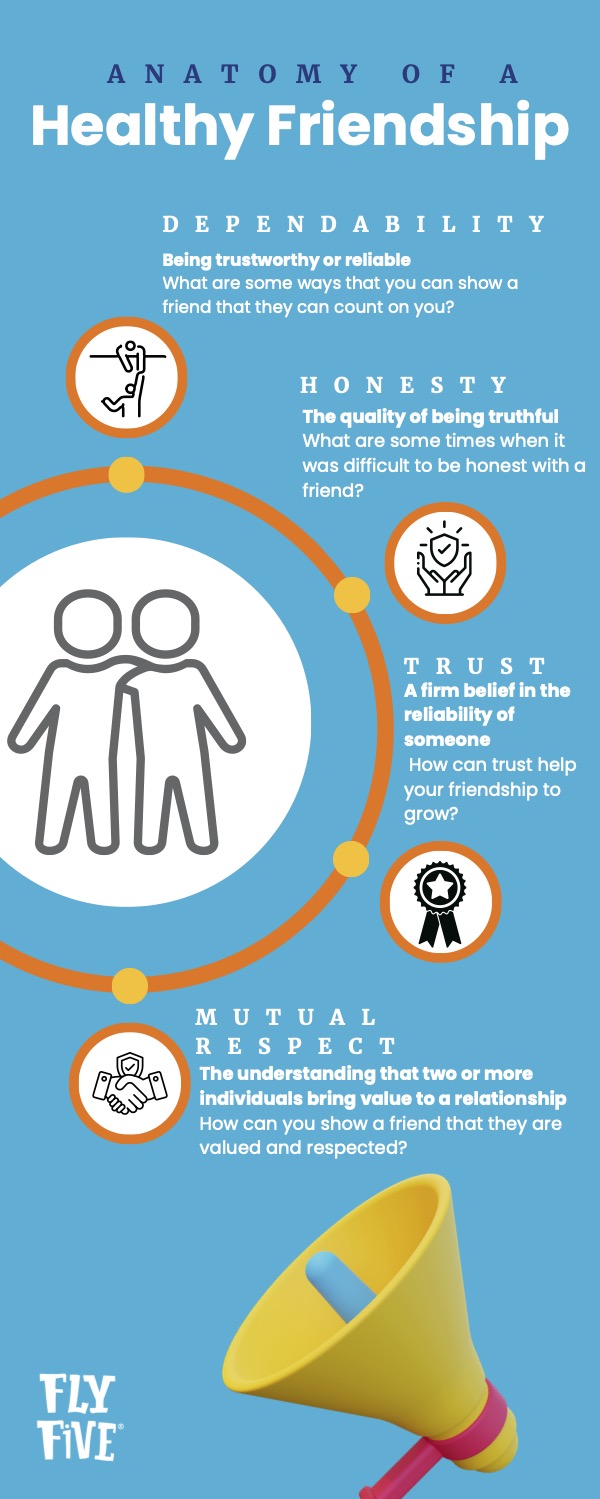
After ending a toxic friendship, it’s important to focus on rebuilding your life and creating healthier relationships. This includes:
- Reconnecting with Positive Friends: Surround yourself with people who uplift and support you.
- Practicing Self-Compassion: Be kind to yourself and acknowledge your strength in taking this step.
- Engaging in Healing Activities: Participate in activities that promote emotional healing, such as therapy, mindfulness, or creative pursuits.
- Setting New Goals: Use this opportunity to focus on your personal growth and set new goals for your future.
Conclusion
Toxic friendships can have lasting effects on your mental and emotional well-being. By recognizing the signs and taking steps to break free, you can reclaim your happiness and build healthier, more fulfilling relationships. Remember, your well-being is worth prioritizing, and seeking support is a brave and necessary step in the journey toward healing.