

The Ultimate Guide to Using a Habit Tracker for Personal Growth
Habit tracking is one of the most effective tools for personal growth. It allows you to measure your progress, stay motivated, and maintain consistency in your daily routines. Whether you’re trying to build better habits or manage your tasks more efficiently, a habit tracker can be an invaluable companion on your journey. In this guide, we’ll explore how to use a habit tracker effectively, why it works, and how to make it part of your daily life.
What Is a Habit Tracker?
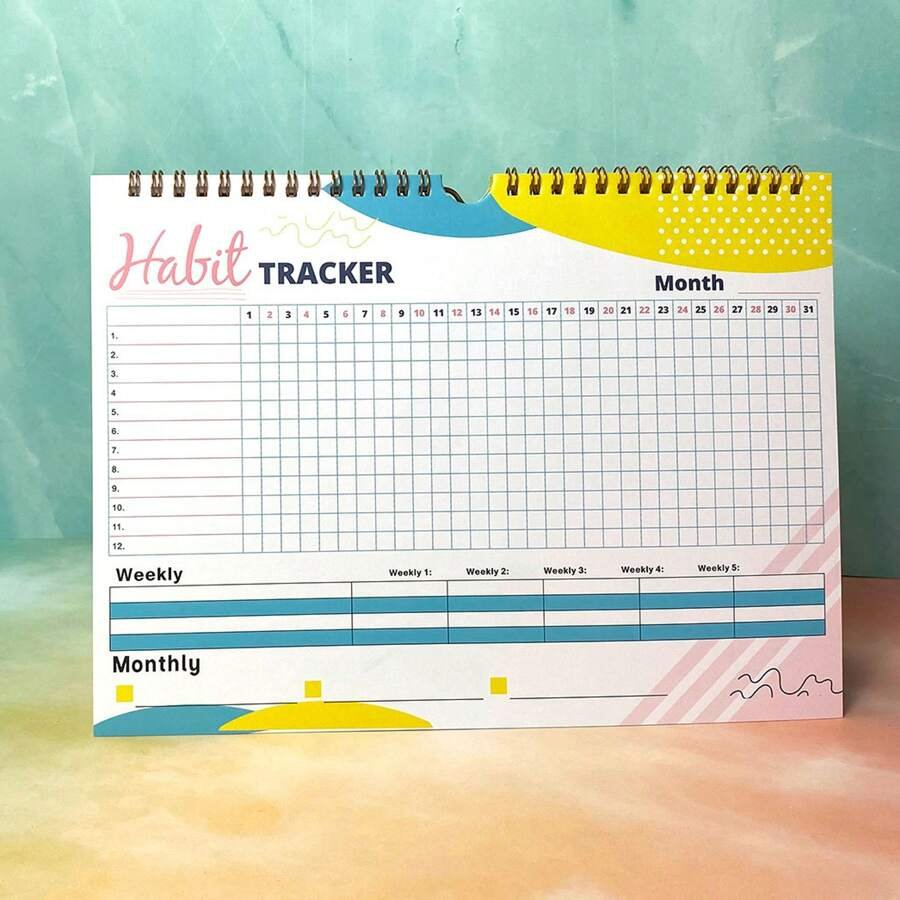
A habit tracker is a simple tool that helps you monitor and record your daily habits. It can be as basic as a calendar with Xs for each day you complete a habit, or as advanced as a digital app with analytics and reminders. The key idea is to create a visual record of your progress, which serves as a reminder and motivator.
Why Use a Habit Tracker?

- Creates Visual Cues: Seeing your progress on a calendar or app can serve as a powerful reminder to keep going.
- Motivates Consistency: Tracking your habits makes it easier to stay committed, especially when you see your streak growing.
- Provides Immediate Feedback: A habit tracker gives you instant confirmation that you’ve completed a task, which reinforces positive behavior.
- Helps You Stay Honest: It forces you to be accountable for your actions, making it harder to ignore your habits.
How to Start Using a Habit Tracker
Starting with a habit tracker doesn’t have to be complicated. Here’s a step-by-step guide to help you get started:
1. Choose Your Format
You can choose between a physical tracker (like a notebook or calendar) or a digital one (like a mobile app). Both have their advantages. Physical trackers are great for simplicity, while digital ones offer features like reminders and analytics.
2. Identify Your Key Habits

Start by selecting the habits you want to track. These should be small, manageable actions that align with your goals. Examples include:
– Reading one page
– Meditating for one minute
– Stretching for one minute
– Writing down one thing you’re grateful for
3. Set a Routine
Integrate your habit tracker into your daily routine. For example, after brushing your teeth, check off the habit you want to track. This helps create a habit loop that becomes easier over time.
4. Track Daily
Make it a habit to track your progress every day. Even if you only complete one habit, marking it on your tracker reinforces your commitment.
5. Review and Adjust
At the end of the week or month, review your progress. Ask yourself what worked and what didn’t. Adjust your habits or tracker as needed to keep improving.
Benefits of Using a Habit Tracker
Using a habit tracker offers several benefits that can enhance your personal growth:
1. Encourages Small Wins
Tracking small habits builds momentum. Each completed habit, no matter how minor, contributes to your overall progress. Over time, these small wins add up to significant changes.
2. Increases Self-Awareness
A habit tracker helps you become more aware of your behaviors. It highlights patterns, such as when you tend to skip certain habits, allowing you to make informed adjustments.
3. Reduces Decision Fatigue
By having a structured system, you reduce the mental effort required to decide whether to do a habit. This makes it easier to stick to your routines without constant willpower.
4. Supports Long-Term Goals
While some habits may seem insignificant on their own, they often contribute to larger goals. A habit tracker helps you stay focused on the process rather than just the outcome.
Common Mistakes to Avoid
Even with the best intentions, it’s easy to fall into common pitfalls when using a habit tracker. Here are some mistakes to avoid:
1. Tracking Too Many Habits
Trying to track too many habits at once can lead to overwhelm. Start with one or two core habits and expand gradually as you feel comfortable.
2. Ignoring the Process
A habit tracker is not just about checking boxes. It’s about the process of showing up and doing the work. Don’t let the tracker replace the actual habit.
3. Getting Discouraged by Missed Days
It’s natural to miss a day occasionally. Instead of giving up, use it as an opportunity to reflect and adjust. Remember, consistency is about returning, not perfection.
4. Overcomplicating the System
Keep your habit tracker simple and user-friendly. If it becomes too complex, you’re more likely to abandon it.
Tips for Sustaining Your Habit Tracker
To make your habit tracker a long-term success, consider these tips:
1. Keep It Simple
Avoid unnecessary features that complicate your tracking. Focus on what matters most—your key habits.
2. Make It Part of Your Routine
Pair your habit tracker with existing habits, like drinking coffee or brushing your teeth. This makes it easier to remember.
3. Celebrate Progress
Acknowledge your achievements, even if they’re small. This reinforces positive behavior and keeps you motivated.
4. Stay Flexible
Be open to adjusting your habits and tracker as needed. Life changes, and so should your system.
Conclusion
A habit tracker is more than just a tool—it’s a mindset shift that empowers you to take control of your habits and achieve your goals. By tracking your progress, staying consistent, and celebrating small wins, you can create lasting change in your life. Whether you choose a physical or digital tracker, the key is to make it part of your daily routine and stay committed to the process.