
Essential Recovery Tips for a Faster and Healthier Lifestyle
Recovery is an essential part of maintaining a healthy lifestyle, whether you’re recovering from physical exertion, emotional stress, or any form of challenge. The process of recovery involves more than just rest; it encompasses proper nutrition, hydration, mental well-being, and targeted healing. With the right strategies, you can ensure that your body and mind are in the best possible condition to face daily challenges and achieve long-term wellness. Here are some essential recovery tips to help you recover faster and live healthier.
1. Prioritize Proper Nutrition
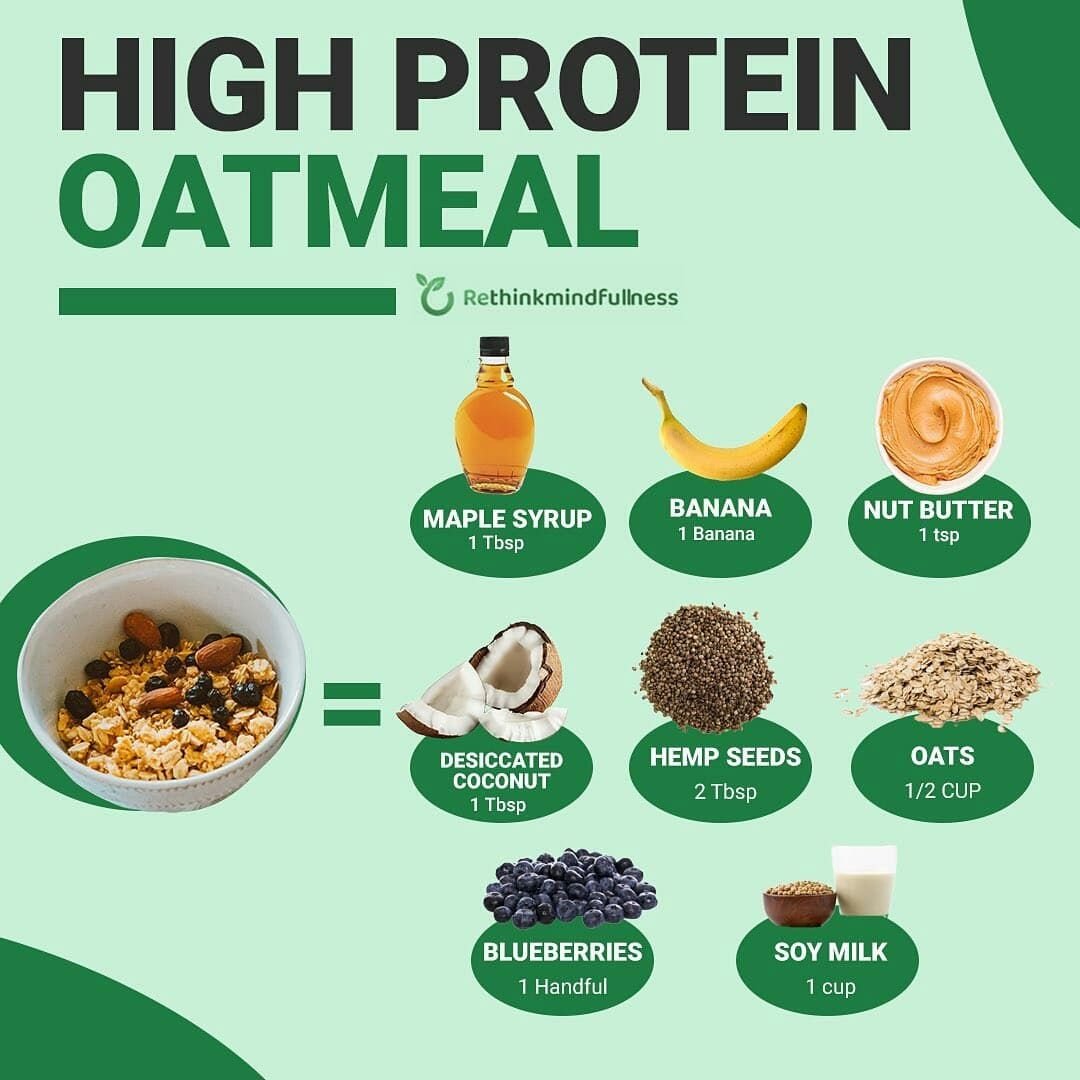
Nutrition plays a crucial role in the recovery process. After intense physical activity or a demanding day, your body needs the right nutrients to repair and restore itself. Carbohydrates, proteins, and healthy fats are all essential components of a balanced diet that supports recovery.
- Carbohydrates: These are the primary source of energy for your muscles. Consuming carbohydrates after exercise helps replenish glycogen stores, which are depleted during physical activity. Opt for whole grains, fruits, and vegetables for sustained energy.
- Proteins: Proteins are vital for muscle repair and growth. They provide amino acids that help rebuild damaged tissues. Include lean meats, fish, eggs, legumes, and dairy products in your meals.
- Healthy Fats: Omega-3 fatty acids found in foods like fish, flaxseeds, and walnuts help reduce inflammation and support overall health. They also play a role in brain function and heart health.
2. Stay Hydrated

Hydration is another critical aspect of recovery. Water is essential for every bodily function, from flushing out toxins to regulating body temperature. Dehydration can lead to fatigue, dizziness, and impaired cognitive function, all of which can hinder your recovery.
- Drink water throughout the day: Aim for at least 8-10 cups of water daily. This helps maintain fluid balance and supports metabolic processes.
- Electrolytes: If you engage in heavy workouts or sweat a lot, consider replenishing electrolytes with sports drinks or natural sources like coconut water. Electrolytes help maintain nerve and muscle function.
3. Get Enough Rest and Sleep
Rest is not just about sleep; it’s about giving your body and mind the time they need to heal. During sleep, your body repairs tissues, produces growth hormones, and consolidates memories. Lack of sleep can lead to fatigue, irritability, and weakened immunity.
- Aim for 7-9 hours of sleep: Consistent sleep patterns help regulate your circadian rhythm, promoting better recovery.
- Practice mindful rest: Techniques like meditation, yoga, and deep breathing can help reduce stress and promote mental relaxation. They also lower cortisol levels, which can interfere with recovery.
4. Incorporate Active Recovery

Active recovery involves low-intensity exercises that promote blood flow and aid in muscle recovery without adding significant stress to the body. It’s an excellent way to stay active while allowing your muscles to heal.
- Light Jogging or Walking: Helps flush out metabolic waste from muscles and improves circulation.
- Swimming: Provides a full-body workout with minimal impact on joints.
- Yoga and Stretching: Improves flexibility, reduces muscle tension, and enhances overall mobility.
5. Use Massage and Physiotherapy
Massage and physiotherapy are effective methods for relieving muscle tension, reducing pain, and improving flexibility. They can be particularly beneficial after intense training sessions or injuries.
- Sports Massage: Focuses on muscles used during training to reduce soreness and improve blood flow.
- Trigger Point Therapy: Targets specific areas of muscle tightness for relief.
- Chiropractic Adjustments: Help maintain joint alignment and reduce pain.
6. Apply Cold and Heat Therapy
Cold and heat therapy are commonly used to reduce inflammation, promote blood flow, and alleviate muscle soreness. They can be applied based on your specific needs.
- Ice Baths: Immersing in cold water reduces inflammation and muscle soreness.
- Hot Baths: Heat therapy relaxes muscles and promotes blood flow.
- Contrast Therapy: Alternating between hot and cold treatments can accelerate recovery.
7. Wear Compression Gear
Compression gear is designed to improve blood circulation, reduce muscle fatigue, and enhance recovery. It can be worn during and after exercise to support your muscles.
- Compression Socks and Sleeves: Worn during and after exercise to support blood flow.
- Compression Garments: Full-body compression suits help in reducing muscle soreness and fatigue.
8. Leverage Genetic Insights
Understanding your genetic makeup can provide valuable insights into your recovery needs. Tools like CircleDNA’s Premium DNA Test offer personalized recovery recommendations based on your genetic profile. These insights can help you tailor your recovery strategies to optimize performance and reduce the risk of injury.
By incorporating these essential recovery tips into your lifestyle, you can ensure that your body and mind are in the best possible condition to thrive. Whether you’re an athlete, a busy professional, or someone looking to improve their overall well-being, prioritizing recovery is key to achieving long-term health and success.