

How to Create the Perfect Wedding Budget: A Complete Guide for Couples
Planning a wedding is an exciting journey filled with love, joy, and countless decisions. However, one of the most critical aspects of this process is creating a wedding budget. A well-structured budget ensures that you can enjoy your special day without financial stress. Whether you’re planning a small intimate ceremony or a grand celebration, understanding how to allocate your funds effectively is essential. In this guide, we’ll walk you through the steps to create the perfect wedding budget.
1. Determine Your Total Budget
The first step in creating a wedding budget is to determine how much money you have available. This includes your savings, any contributions from family, and any loans or credit you might be considering. Be realistic about what you can afford, and don’t forget to include any unexpected expenses that may arise.
Key Considerations:
– Income: Calculate your combined income and determine how much you can set aside each month.
– Savings: Assess your current savings and consider setting up a separate account for your wedding fund.
– Contributions: Discuss with family members if they are willing to contribute to your wedding.
2. Research Average Wedding Costs
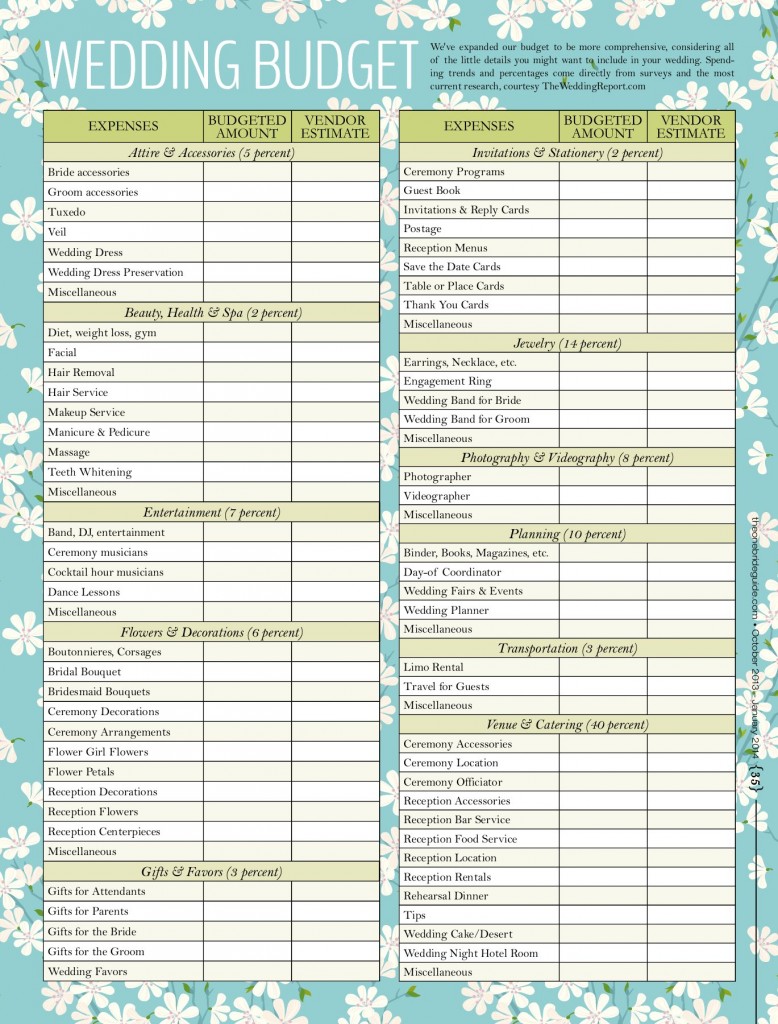
Understanding the average costs associated with weddings can help you set realistic expectations. According to The Knot’s 2026 Real Weddings Study, the average wedding cost is $34,200. However, this can vary significantly based on location, season, and other factors. Researching local vendors and their pricing will give you a better idea of what to expect.
Common Expenses:
– Venue and Rentals: 29%
– Catering, Cake, and Drinks: 24%
– Photographer and Videographer: 10%
– Floral Design and Decor: 9%
– Music: 6%
– Attire and Beauty: 6%
– Wedding Rings: 5%
– Wedding Planner: 5%
– Guest Entertainment: 3%
– Transportation: 2%
– Stationery: 1%
– Officiant: 1%
3. Prioritize Your Spending
Once you have a general idea of the costs, it’s time to prioritize your spending. Not all elements of a wedding are equally important, so it’s crucial to identify what matters most to you as a couple. Some couples may prioritize photography, while others may focus on the venue or catering.
Tips for Prioritizing:
– Non-Negotiables: List the elements that are essential to your wedding.
– Negotiables: Identify areas where you can cut costs without compromising the overall experience.
– Compromise: Be willing to make trade-offs to stay within your budget.
4. Create a Detailed Budget Plan

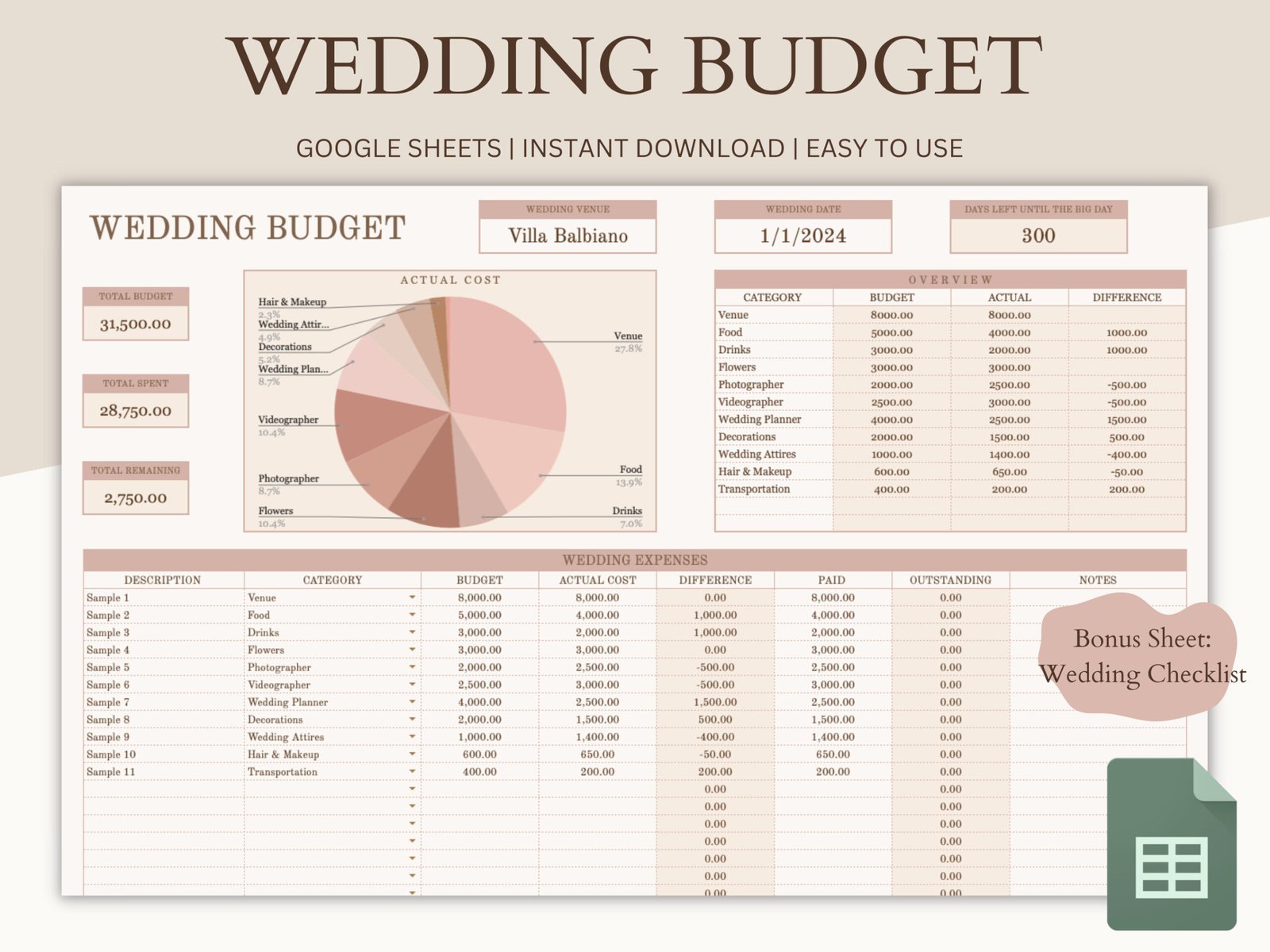
With your priorities in mind, it’s time to create a detailed budget plan. Use a spreadsheet or a budgeting tool to track your expenses and ensure you stay on track. Include all anticipated costs, such as venue rental, catering, photography, and more.
Budgeting Tips:
– Track Every Expense: Keep a record of all your spending to avoid overspending.
– Set a Buffer: Allocate a portion of your budget for unexpected costs.
– Review Regularly: Check your budget regularly to ensure you’re staying on track.
5. Negotiate with Vendors
Don’t hesitate to negotiate with vendors to get the best price possible. Many vendors are willing to work with couples who are flexible and open to compromise. Be clear about your budget and ask for quotes from multiple vendors to compare prices.
Negotiation Strategies:
– Ask for Discounts: Some vendors may offer discounts for booking early or during off-peak seasons.
– Bundle Services: Consider bundling services to save money.
– Be Flexible: Be open to alternative solutions that fit within your budget.
6. Consider DIY Options
DIY projects can be a great way to save money while adding a personal touch to your wedding. From handmade invitations to custom decor, there are countless ways to incorporate DIY elements into your celebration.
DIY Ideas:
– Invitations and Stationery: Create your own invitations and thank-you cards.
– Decor: Use flowers from your garden or create centerpieces with items you already own.
– Food and Beverage: Prepare some of the food yourself or opt for a buffet-style meal.
7. Avoid Common Budget Mistakes
Even with the best intentions, it’s easy to fall into common budget mistakes. Here are a few to watch out for:
- Not Using a Budget Advisor: Tools like The Knot Wedding Budget Advisor can help you stay on track.
- Not Allocating Funds Correctly: Ensure you have enough money for all essential expenses.
- Not Keeping Track of Spending: Regularly review your budget to avoid overspending.
- Forgetting to Budget for Unexpected Costs: Always leave room for surprises.
- Not Being Realistic: Set realistic expectations based on your financial situation.
Conclusion
Creating a wedding budget is an essential part of planning your special day. By following these steps, you can ensure that you stay within your means while still having a memorable celebration. Remember, the goal is to create a wedding that reflects your values and priorities, not just to spend money. With careful planning and a clear budget, you can enjoy your wedding day without the stress of financial strain.