

How to Effectively Track Your Progress: A Comprehensive Guide

Tracking progress is a fundamental aspect of achieving personal and professional goals. Whether you’re working on improving your health, learning a new language, or managing a software development project, the ability to monitor and assess your advancement is crucial. This guide will explore various methods and strategies to effectively track your progress, ensuring that you stay motivated, accountable, and on the path to success.
Why Tracking Progress Is Essential
Tracking progress serves multiple purposes, each contributing to the overall success of your endeavors:
Motivation
Seeing visible results keeps you motivated and committed to your plans. When you can observe the changes you’ve made, it reinforces your efforts and encourages you to continue.
Accountability
Regular tracking holds you accountable for your actions and choices. It creates a sense of responsibility, making it more likely that you’ll follow through with your commitments.
Adjustment
Tracking allows for timely adjustments to your plans, ensuring they remain effective and aligned with your goals. By identifying what’s working and what’s not, you can make informed decisions to improve your outcomes.
Essential Elements for Progress Tracking
To effectively track your progress, consider incorporating the following elements into your routine:
Compliance Report
Keep track of how well you adhere to your plans and recommendations. This report provides insights into your commitment and helps identify areas that may need adjustment.
Progress Report
Document your progress over time. Include changes in weight, body measurements, and other relevant metrics to provide a comprehensive overview of your journey.
Activity Tracking
Monitor your physical activities, including exercise routines and daily steps. This information helps you understand your lifestyle and adjust your plans accordingly.
Methods to Track Your Progress
There are several methods you can use to track your progress, depending on your specific goals and needs:
1. Assess and Actively Listen
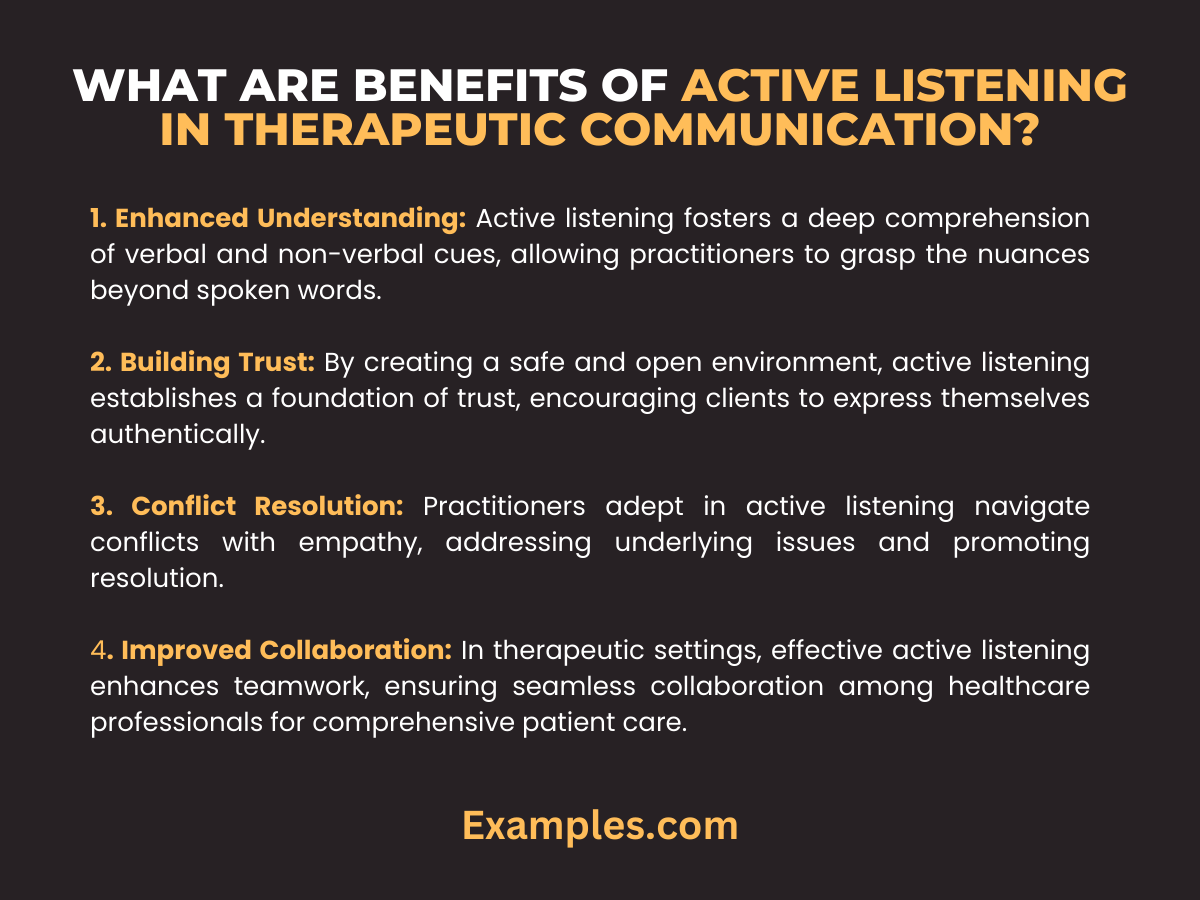
Active listening is a cornerstone of effective client communication. When assessing your clients, take the time to listen to their concerns, goals, and experiences. This approach allows you to tailor your advice and recommendations to their needs. By actively engaging with your clients, you build trust and ensure they feel heard and understood.
Benefits of Active Listening
– Personalized Guidance: Understanding your client’s unique needs and preferences allows you to provide more tailored and effective advice.
– Enhanced Trust: Clients are more likely to trust and follow your recommendations when they feel understood and supported.
– Better Outcomes: Personalized care leads to better adherence to plans and improved health outcomes.
Strategies for Effective Listening
– Open-Ended Questions: Ask questions that encourage clients to share their thoughts and experiences.
– Reflective Listening: Repeat what clients say to confirm understanding and show that you are listening.
– Empathy: Show empathy and understanding, making clients feel valued and supported.
2. Make Habit Building SMART

SMART goals (Specific, Measurable, Achievable, Relevant, Time-bound) are crucial for habit-building. Encourage your clients to set realistic goals that are clearly defined and achievable within a specific timeframe. This approach builds a sense of accomplishment and motivates clients to stay on track.
SMART Progress Tracking Elements
– Compliance Reports: Automatically generated reports that track adherence to meal plans and recommendations.
– Smart Activity Trackers: Tools that monitor physical activities and integrate with fitness bands for accurate data.
– HIPAA & PCI Compliant Platform: Ensures all client data is stored securely and meets regulatory standards.
– Fitness Band Integration: Real-time tracking of physical activities and metrics.
– Automatic Follow-Ups: Automated reminders and follow-ups to keep clients engaged and on track.
Benefits of Incorporating SMART Progress Tracking
– Nutrition Metrics: Track key metrics such as weight, BMR, percent body fat, waist circumference, and BMI graph.
– Growth Charts for Infants and Children: Monitor growth patterns and ensure they meet healthy standards.
– Clear & Specific Goals: Define precise objectives to guide clients effectively.
– Appropriate Indicators & Methods: Use the right tools and techniques for accurate tracking.
– Regular Monitoring & Adjustment: Continually assess progress and make necessary adjustments.
– Technology Advantage: Leverage advanced tools and apps to streamline tracking.
– Feedback & Improvement: Seek regular feedback to refine and improve your services.
3. Provide a Detailed Grocery List and Prep Guide
A comprehensive grocery list and meal prep guide can make a significant difference in your client’s success. By providing detailed lists and instructions, you remove the guesswork and make it easier for clients to stick to their meal plans.
Key Components of an Effective Grocery List and Prep Guide
– Detailed Lists: Include specific items needed for the meal plans.
– Meal Prep Instructions: Provide step-by-step instructions for preparing meals.
– Nutritional Information: Include information on the nutritional value of each meal.
– Variety and Flexibility: Offer a variety of options to cater to different tastes and preferences.
– Time-Saving Tips: Include tips for efficient meal prep and cooking.
Benefits for Clients
– Ease and Convenience: Simplifies the process of meal planning and preparation.
– Adherence: Increases the likelihood of clients sticking to their meal plans.
– Nutritional Balance: Ensures clients get a well-rounded and nutritious diet.
4. Focus on Meal Plans, Not Elimination Lists
Instead of emphasizing what clients can’t eat, focus on what they can enjoy. Create meal plans that are diverse, nutritious, and satisfying. This positive approach promotes a healthier relationship with food and reduces the likelihood of clients feeling deprived.
Positive Meal Planning Strategies
– Include Favorite Foods: Incorporate foods that clients enjoy to make meal plans more appealing.
– Balance and Variety: Ensure meal plans include a balance of macronutrients and a variety of food groups.
– Flexible Options: Offer alternatives and substitutions to accommodate preferences and dietary restrictions.
– Nutrient-Dense Foods: Focus on including foods that are rich in essential nutrients.
Benefits for Clients
– Positive Relationship with Food: Encourages a healthier and more positive attitude towards eating.
– Satisfaction and Enjoyment: Helps clients feel satisfied and less likely to stray from their plans.
– Sustainable Habits: Promotes the development of long-term healthy eating habits.
5. Use a Nutrition-Tracking App
Technology has revolutionized the way we track nutrition progress. Nutrition-tracking apps provide a convenient way for clients to log their meals, track their progress, and receive feedback. These apps can also offer valuable insights and data that you can use to adjust plans and provide better guidance.
Key Features of Nutrition-Tracking Apps
– Meal Logging: Allows clients to log their meals and track their nutritional intake.
– Progress Monitoring: Provides tools for tracking weight, body measurements, and other metrics.
– Feedback and Insights: Offers personalized feedback and insights based on logged data.
– Integration with Wearables: Syncs with fitness trackers to monitor physical activity.
– Reminders and Notifications: Sends reminders to log meals and stay on track.
Benefits for Nutrition Professionals
– Data-Driven Insights: Provides valuable data to inform and adjust nutrition plans.
– Enhanced Communication: Facilitates communication and feedback between you and your clients.
– Efficient Monitoring: Streamlines the process of tracking and monitoring client progress.
– Client Engagement: Keeps clients engaged and motivated through interactive features.