

How to Heal from a Breakup: A Complete Guide to Emotional Recovery
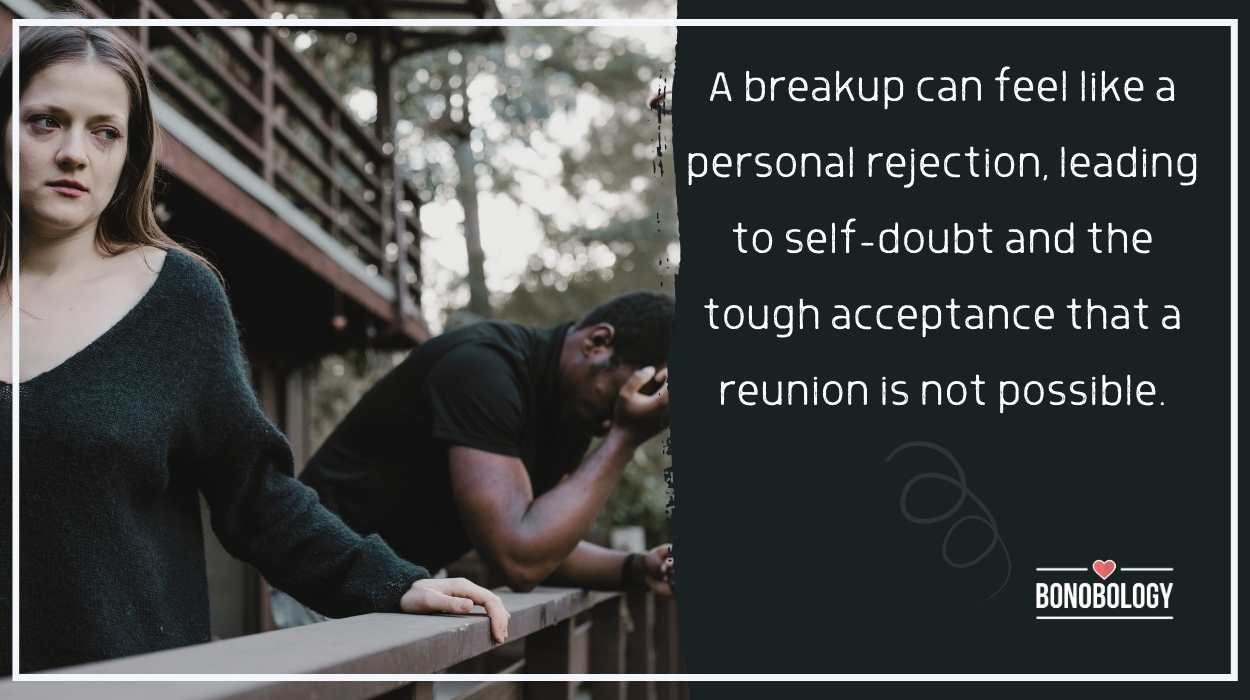
Breakups can be one of the most painful experiences in life, leaving us feeling lost, heartbroken, and overwhelmed. The emotional turmoil that follows can be difficult to navigate, but with the right strategies, it’s possible to heal and move forward. This guide provides practical steps to help you recover emotionally after a breakup.
1. Allow Yourself to Grieve
The first step in healing from a breakup is to allow yourself to grieve. It’s important to acknowledge your feelings, even if they are painful. The end of a relationship can represent ambiguous loss, similar to the grief experienced after the death of a loved one. By addressing your emotions, you give yourself the opportunity to grow and move forward.
- Acknowledge your pain: It’s okay to feel sad, angry, or confused. These emotions are a natural part of the healing process.
- Express your feelings: Journaling, talking to a friend, or engaging in creative activities can help you process your emotions.
- Give yourself time: Healing takes time, and it’s essential to be patient with yourself.
2. Stick to a Self-Care Routine

Creating a healthy daily routine can provide structure and a sense of accomplishment during this time of uncertainty. Prioritize self-care basics such as getting enough sleep, eating nutritious foods, and staying physically active.
- Get enough sleep: Aim for 7-8 hours of sleep each night to support your physical and emotional well-being.
- Eat healthily: Focus on whole foods that nourish your body and mind.
- Stay active: Exercise releases endorphins, which can improve your mood and reduce stress.
3. Practice Self-Compassion
After a breakup, it’s easy to be hard on yourself. However, it’s important to treat yourself with kindness and compassion. Imagine how you would comfort a friend who is going through a similar situation and extend the same kindness to yourself.
- Be gentle with yourself: Avoid self-criticism and focus on self-acceptance.
- Write a self-compassionate letter: Express your feelings and offer yourself words of comfort and support.
- Use soothing touch: When you feel upset, give yourself physical comfort by placing your hand on your heart or hugging yourself.
4. Tap into Your Support System
It’s crucial to reach out to supportive friends and family when you’re going through a tough time. Having a strong support system can provide comfort and encouragement as you navigate the emotional challenges of a breakup.
- Talk to trusted friends: Share your feelings and seek advice from people you trust.
- Seek professional help: If you’re struggling to cope, consider therapy or counseling to guide you through the healing process.
- Join a support group: Connecting with others who have gone through similar experiences can provide valuable insights and encouragement.
5. Get to Know Yourself

A breakup can be an opportunity to reconnect with yourself and rediscover your interests and goals. Use this time to explore new hobbies, take classes, or engage in activities that bring you joy.
- Reflect on your values: Consider what is important to you and how you want to live your life moving forward.
- Pursue new interests: Try something you’ve always wanted to do, whether it’s learning a new skill or exploring a new place.
- Focus on personal growth: Use this time to develop your strengths and work on areas of your life that need improvement.
6. Remember Why You Broke Up
It’s easy to romanticize the past and forget the reasons why the relationship ended. Remind yourself of the valid reasons behind the breakup to keep your longing and nostalgia at bay.
- List the reasons: Write down the issues that led to the breakup and revisit them when you’re feeling nostalgic.
- Avoid idealizing the past: Recognize that relationships are complex, and it’s normal to have both positive and negative memories.
- Focus on the future: Instead of dwelling on the past, concentrate on what you want for your future.
7. Go No-Contact with Your Ex
Maintaining contact with your ex can make it harder to heal. Cutting all ties, including social media, can provide the space you need to move on.
- Delete their number: Remove your ex’s contact information from your phone and social media accounts.
- Unfriend them: If you feel it’s necessary, unfriend your ex on social media to avoid temptation.
- Ask for help: If you’re struggling to stay away, ask a friend to help you stay on track.
8. Beware of Rebound Relationships
It’s tempting to rush into a new relationship to fill the void, but it’s important to give yourself time to heal before starting a new one. A rebound relationship can hinder your emotional recovery and prevent you from fully processing the previous experience.
- Wait for the right time: Give yourself the space you need to heal and rediscover yourself.
- Focus on self-care: Prioritize your well-being and avoid rushing into a new relationship.
- Avoid using others: Don’t use a new relationship as a way to numb your pain or distract yourself from the breakup.
9. Be Mindful of Your Substance Use
When you’re feeling heartbroken, it’s easy to turn to substances to cope. However, substance use can exacerbate your emotional pain and hinder your healing process.
- Seek help: If you’re struggling with substance use, consider professional treatment and support groups.
- Find healthy outlets: Engage in activities that promote emotional well-being, such as exercise, meditation, or creative expression.
- Avoid triggers: Stay away from places or situations that may tempt you to use substances.
10. Find a Good Therapist
Professional therapy can be a valuable resource in the healing process. A therapist can provide guidance, support, and tools to help you navigate the emotional challenges of a breakup.
- Seek professional help: Consult a mental health professional who can guide you through the healing process.
- Explore different therapies: Consider different therapeutic approaches, such as cognitive-behavioral therapy or mindfulness-based therapy.
- Be open and honest: Share your feelings and experiences with your therapist to receive the best possible support.
11. Be Patient
The most important tip of all is to be patient. Healing from a breakup takes time, and it’s essential to give yourself the space you need to recover. While it won’t necessarily heal all wounds, distance can work wonders on your pain.
- Give yourself time: Understand that healing is a gradual process and not something that happens overnight.
- Trust the process: Believe in your ability to move forward and rebuild your life.
- Celebrate small victories: Acknowledge your progress and celebrate the steps you take toward healing.
Healing from a breakup is a journey that requires time, patience, and self-compassion. By following these strategies, you can navigate the emotional challenges and emerge stronger and more resilient. Remember, you are capable of moving forward and creating a fulfilling life after a breakup.