

How to Recognize and Escape a Toxic Relationship
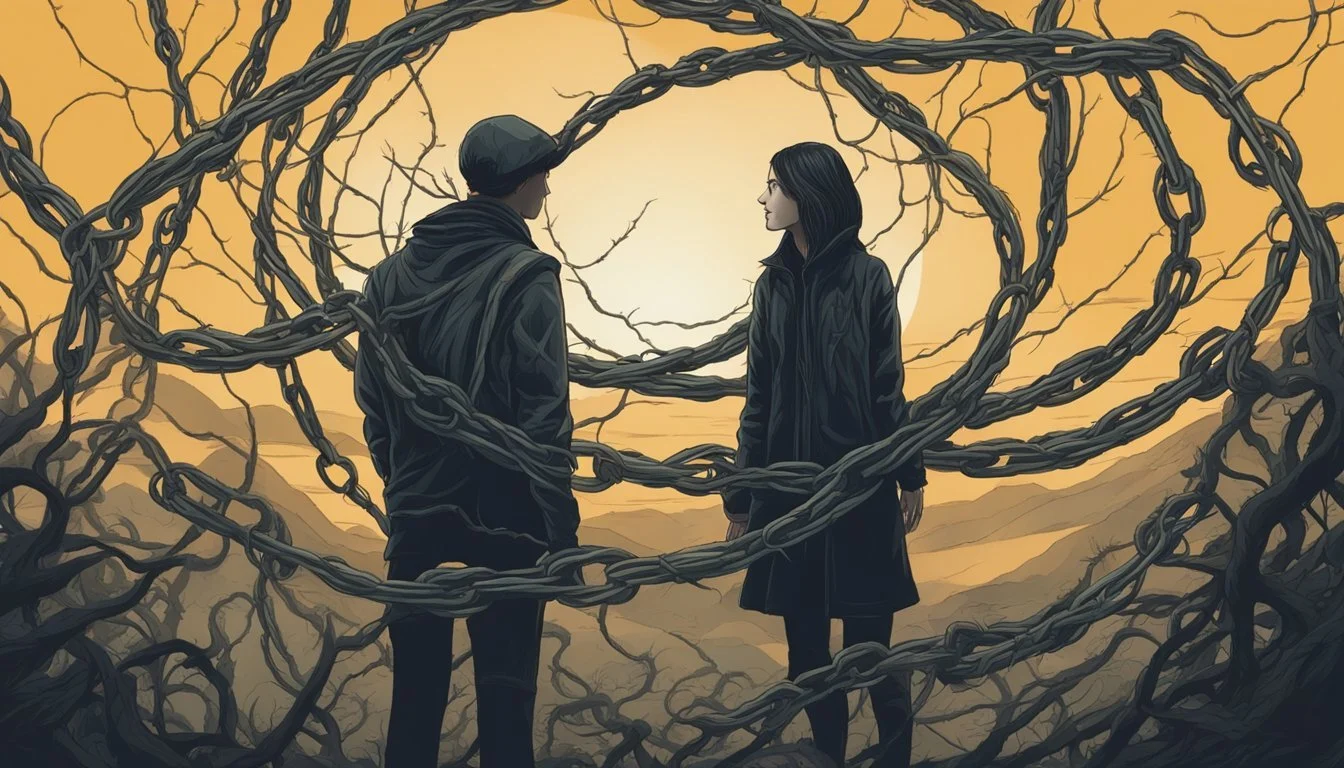
Toxic relationships can be incredibly draining, both emotionally and mentally. They often start subtly, with small signs that may seem insignificant at first but gradually escalate into something harmful. Whether it’s a romantic partner, a friend, or a family member, recognizing the warning signs is crucial for your well-being. In this article, we will explore how to identify a toxic relationship and provide practical steps on how to escape it.
What is a Toxic Relationship?
A toxic relationship is characterized by behaviors that undermine your self-esteem, create emotional distress, and prevent you from growing as an individual. It’s not just about occasional arguments or disagreements; it’s about patterns of behavior that consistently make you feel bad, manipulated, or controlled. These relationships can take many forms, including emotional abuse, manipulation, constant criticism, and lack of support.
10 Signs You Might Be in a Toxic Relationship
-
You Feel Like You’re Walking on Eggshells
If you constantly anticipate mood swings or avoid certain topics to prevent conflict, it’s a red flag. This behavior indicates a lack of emotional safety. -
You’re Always Apologizing
Saying “I’m sorry” habitually, even when you haven’t done anything wrong, can signal a power imbalance in the relationship. -
Your Feelings Are Dismissed
When your emotions are minimized or mocked, it erodes your sense of self-worth and creates self-doubt. -
You Keep Score
A relationship where every action is tracked and reciprocated can lead to resentment and a “roommates” dynamic rather than a partnership. -
Conflict Turns Personal
Healthy conflict focuses on solving problems, not attacking the person. When disagreements become personal attacks, trust begins to erode. -
Your Partner Makes Passive-Aggressive Jokes
Mocking you in front of others, even if they call it a joke, can create tension and distrust. -
Lack of Intimacy
Emotional and physical intimacy are essential for a healthy relationship. A lack of connection can lead to feelings of loneliness and disconnection. -
You Feel Alone When You’re Together
Even if you’re physically close, feeling emotionally distant is a sign that something is off in the relationship. -
You Start Questioning Yourself
If your partner frequently dismisses your experiences or makes you feel like you’re overreacting, it could be a form of gaslighting. -
You Feel Like a Smaller Version of Yourself
If you’ve stopped sharing your opinions, pursuing your interests, or showing up fully as yourself, it’s a sign that something is wrong.
How to Recognize and Escape a Toxic Relationship
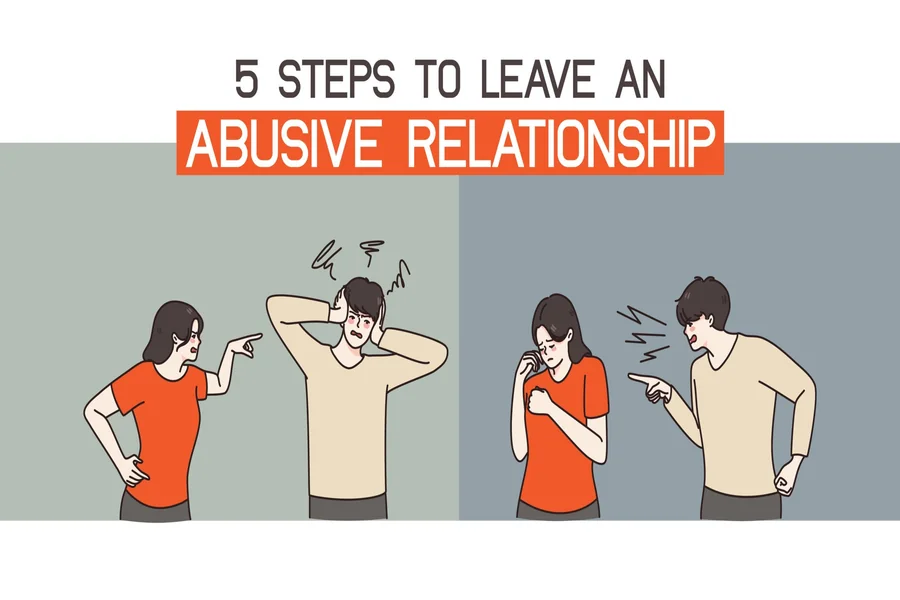
Recognizing a toxic relationship is the first step toward healing. Once you identify the signs, it’s time to take action. Here are some steps to help you escape:
-
Set Boundaries
Clearly define what you will and won’t tolerate. Communicate these boundaries firmly and stick to them. -
Practice Respectful Disagreement
Instead of agreeing to avoid conflict, express your perspective calmly and respectfully. Use “I statements” to avoid sounding accusatory. -
Avoid Engaging in Drama
Resist the urge to get drawn into arguments or passive-aggressive remarks. Stay calm and focused on your own well-being. -
Seek Support
Talk to a trusted friend, family member, or therapist. Having a support system can provide clarity and strength during this process. -
Create an Exit Strategy
If you decide to leave, plan your exit carefully. This might involve setting up a safe space, seeking legal advice, or finding a new job if necessary. -
Focus on Self-Care
Prioritize your mental and emotional health. Engage in activities that bring you joy and help you recharge.
Why Toxic Relationships Matter
Toxic relationships can have a profound impact on your mental, emotional, and even physical health. They can erode your self-esteem, disrupt your ability to focus, and interfere with your overall quality of life. Recognizing these patterns early on is essential for your well-being.
It’s important to remember that while some unhealthy dynamics can be worked through, others cross the line into abuse and require immediate attention. Your safety should always come first.
Final Thoughts
Escaping a toxic relationship is never easy, but it’s a necessary step for your growth and happiness. By recognizing the signs, setting boundaries, and seeking support, you can take control of your life and move toward healthier, more fulfilling relationships.
Remember, you deserve to be treated with respect, love, and care. Don’t let a toxic relationship define your worth or limit your potential. Take the first step today, and prioritize your well-being.