

How to Repair a Relationship: Effective Steps to Rebuild Trust and Connection
Relationships, whether romantic or familial, are the cornerstone of our emotional well-being. However, no relationship is immune to challenges. When conflicts arise, misunderstandings occur, or trust is broken, it can feel like the end of the road. But repairing a relationship is not only possible—it’s a powerful opportunity for growth, healing, and deeper connection. If you’re wondering how to repair a relationship, here are effective steps to guide you on this journey.
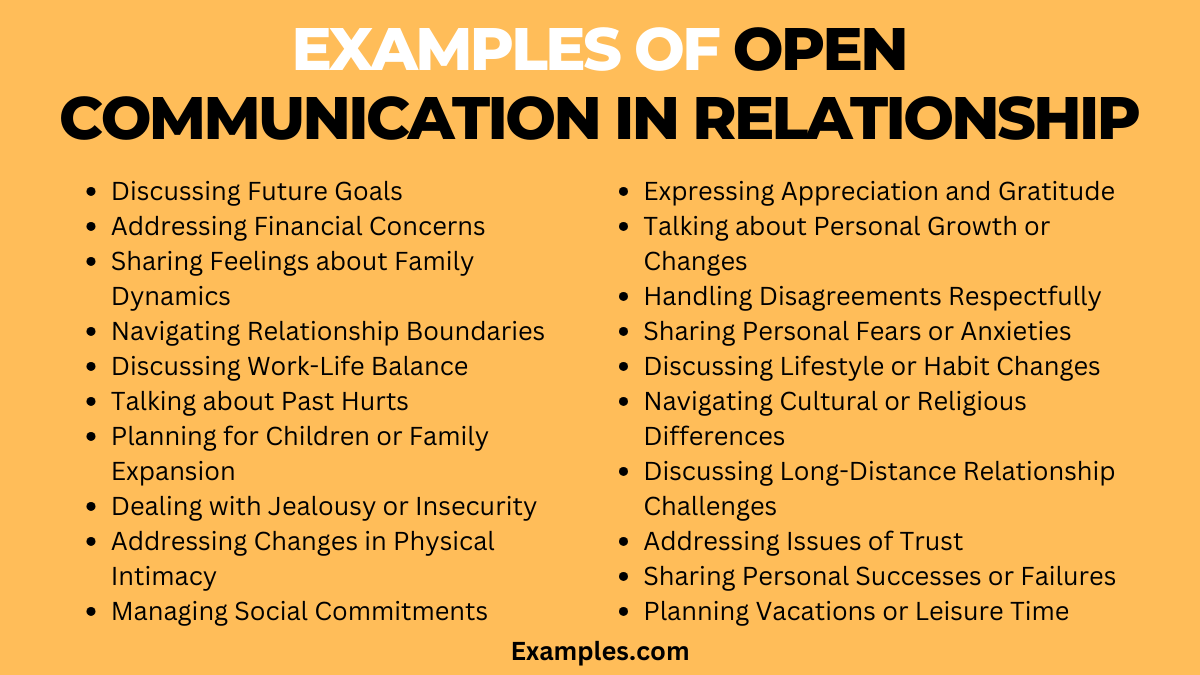
1. Communicate Openly and Honestly
Open communication is the foundation of any healthy relationship. When issues arise, it’s essential to address them with honesty and empathy. Instead of avoiding difficult conversations, create a safe space for both partners to express their feelings without fear of judgment.
- Use “I” statements to express your emotions (e.g., “I feel hurt when…”) rather than blaming your partner.
- Listen actively and show that you understand their perspective.
- Avoid defensiveness and focus on finding solutions together.
2. Rebuild Trust Gradually

Trust is the glue that holds relationships together. When it’s broken, rebuilding it takes time, patience, and consistent effort. Start by showing up reliably in small ways—keeping promises, being present, and demonstrating accountability.
- Be consistent in your actions and avoid making excuses.
- Acknowledge your mistakes and take responsibility for them.
- Show your partner that you’re committed to change through steady, trustworthy behavior.
3. Apologize Sincerely

A sincere apology can be a powerful step in the process of repairing a relationship. It shows your partner that you understand the impact of your actions and are willing to make amends.
- Own your mistakes without making excuses.
- Express genuine remorse and empathy for how your actions affected them.
- Be ready to work on changing your behavior moving forward.
4. Practice Forgiveness
Forgiveness is a two-way street. While it’s important to ask for forgiveness, it’s equally vital to be willing to forgive your partner. Holding onto grudges can poison the relationship and prevent healing.
- Let go of past hurts and focus on the future.
- Understand that forgiveness is a process, not an event.
- Work together to move forward and rebuild your bond.
5. Spend Quality Time Together
Reconnecting through shared activities can help restore the emotional connection between you and your partner. Engage in meaningful experiences that bring you closer and reignite the spark.
- Plan date nights or do things you both enjoy.
- Try new activities together to create fresh memories.
- Focus on creating positive moments that strengthen your bond.
6. Seek Professional Help
Sometimes, fixing a broken relationship requires outside guidance. A professional therapist can provide valuable insights and strategies to help you navigate the challenges.
- Therapy offers a safe space to explore issues and develop healthier communication patterns.
- A counselor can help you both understand the root causes of your problems.
- Don’t hesitate to seek help if you’re struggling to resolve things on your own.
7. Set Realistic Expectations
It’s important to set realistic expectations for your relationship. No relationship is perfect, and conflicts are a normal part of any partnership. Accepting this can help you manage your expectations and work toward a healthier dynamic.
- Understand that progress may be slow and setbacks are natural.
- Avoid comparing your relationship to others or expecting perfection.
- Focus on what you can achieve together rather than what you can’t.
8. Focus on the Positives
When trying to repair a relationship, it’s easy to focus on the negatives. Instead, make a conscious effort to appreciate the good things about your partner and the relationship.
- Celebrate your partner’s strengths and the good times you’ve shared.
- Express gratitude for the little things they do.
- Shift the dynamic by focusing on what you value in each other.
9. Give Each Other Space
Sometimes, space is necessary for healing. Give each other the time and space to process emotions and reflect on the relationship. This doesn’t mean ignoring each other, but rather respecting the need for individual growth.
- Allow yourself and your partner time to heal and reflect.
- Use this time to gain clarity and perspective.
- Return to each other with a renewed sense of purpose and commitment.
10. Commit to Continuous Improvement
Maintaining a healthy relationship is an ongoing process. Commit to continuous improvement by regularly checking in with each other, celebrating progress, and addressing new challenges as they arise.
- Be proactive in nurturing your bond.
- Stay open to change and growth.
- Keep working together to build a stronger, more resilient relationship.
Final Thoughts
Repairing a relationship is not just about fixing what’s broken—it’s about creating something stronger and more meaningful. With open communication, patience, and a willingness to grow, you and your partner can rebuild trust, deepen your connection, and create a future filled with love and understanding. The journey may be challenging, but the rewards are worth it.