
The Benefits of Writing Therapy: How Expressing Your Thoughts Can Improve Mental Health
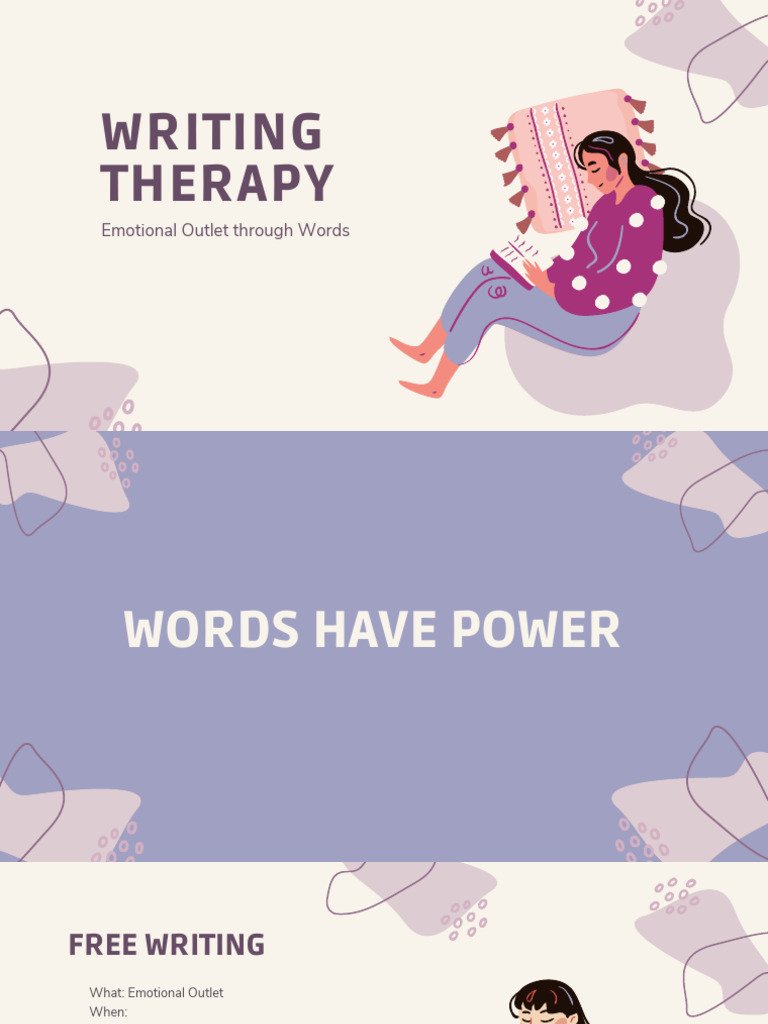
Writing therapy, also known as expressive writing, is a simple yet transformative practice that uses the power of words to promote emotional healing, mental clarity, and self-discovery. Whether through journaling, poetry, storytelling, or unsent letters, writing can serve as a safe and creative way to explore your thoughts, feelings, and experiences. This article explores the profound benefits of writing therapy, how it works, and how you can start incorporating it into your life.
What is Writing Therapy?
Expressive writing is a therapeutic approach that encourages individuals to express their thoughts and emotions through writing. Unlike traditional talk therapy, writing therapy is often self-guided, making it accessible and adaptable to anyone, regardless of their background or resources. It’s not about grammar or style but about honest, unfiltered expression.
This practice has been shown to:
- Reduce stress and anxiety
- Improve emotional regulation
- Enhance self-awareness
- Support trauma processing
- Boost overall mental health
How Does Writing Therapy Work?

Writing therapy works by creating a space for emotional release and reflection. The act of writing allows you to organize your thoughts, confront difficult emotions, and gain new perspectives on your experiences. Here’s how it helps:
Emotional Release: Writing provides a safe outlet for releasing pent-up emotions, which can alleviate feelings of overwhelm.
Cognitive Processing: Putting thoughts into words helps you process and make sense of complex emotions or experiences.
Increased Awareness: Writing fosters mindfulness and self-awareness, helping you identify patterns in your thoughts and behaviors.
Getting Started with Writing Therapy

If you’re new to expressive writing, here are some simple steps to get started:
- Choose Your Medium: Decide whether you prefer pen and paper, a digital device, or even a voice-to-text app.
- Set Aside Time: Dedicate 10-20 minutes daily or weekly to your writing practice. Find a quiet space where you can focus.
- Write Freely: Don’t worry about grammar, punctuation, or structure. Write whatever comes to mind without censoring yourself.
- Explore Prompts: Use writing prompts if you’re unsure where to start. Examples include: “What emotions am I feeling today?” “What’s one thing I’m grateful for?” “What’s a challenge I’m facing, and how can I approach it?”
Writing Therapy and Trauma-Informed Care
While writing therapy can be profoundly healing, it’s essential to approach it with caution if you’re processing trauma. Writing about traumatic events can sometimes trigger distressing emotions or memories. To ensure safety:
- Start with small, manageable topics.
- Use grounding techniques, like deep breathing, if you feel overwhelmed.
- Seek support from a therapist or counsellor trained in trauma-informed care when addressing deeply painful experiences.
Types of Expressive Writing Practices
There are many ways to incorporate writing into your healing journey. Here are a few examples:
- Journaling: Keep a daily or weekly journal to reflect on your thoughts, emotions, and experiences.
- Unsent Letters: Write letters to people or situations to express feelings you may not feel comfortable sharing directly.
- Creative Writing: Use poetry, storytelling, or other creative forms to explore emotions in an indirect, imaginative way.
- Gratitude Journaling: Focus on the positives by listing things you’re grateful for, fostering a sense of appreciation and joy.
Benefits of Writing Therapy
The benefits of writing therapy extend beyond the page. Regular practice can:
- Foster self-compassion and acceptance
- Improve communication skills
- Enhance problem-solving abilities
- Support long-term emotional resilience
Reflecting on Your Writing
Reflection is a vital part of writing therapy. After writing, take a moment to review your words and consider:
- What emotions came up during the process?
- Did you gain new insights or perspectives?
- How did the writing make you feel?
A Final Word on Writing Therapy
Writing therapy is a personal and empowering journey. Whether you’re navigating challenges, seeking clarity, or simply exploring your inner world, writing offers a safe and accessible tool for healing and growth. Remember, the goal is not perfection but connection—to yourself, your emotions, and your path forward.