

The Critical Link Between Sleep and Mental Health: What You Need to Know
Sleep is often overlooked in our fast-paced lives, but it plays a crucial role in maintaining mental health. The connection between sleep and mental health is profound, influencing everything from emotional stability to cognitive function. Understanding this relationship is essential for anyone looking to improve their well-being.
The Science Behind Sleep and Mental Health
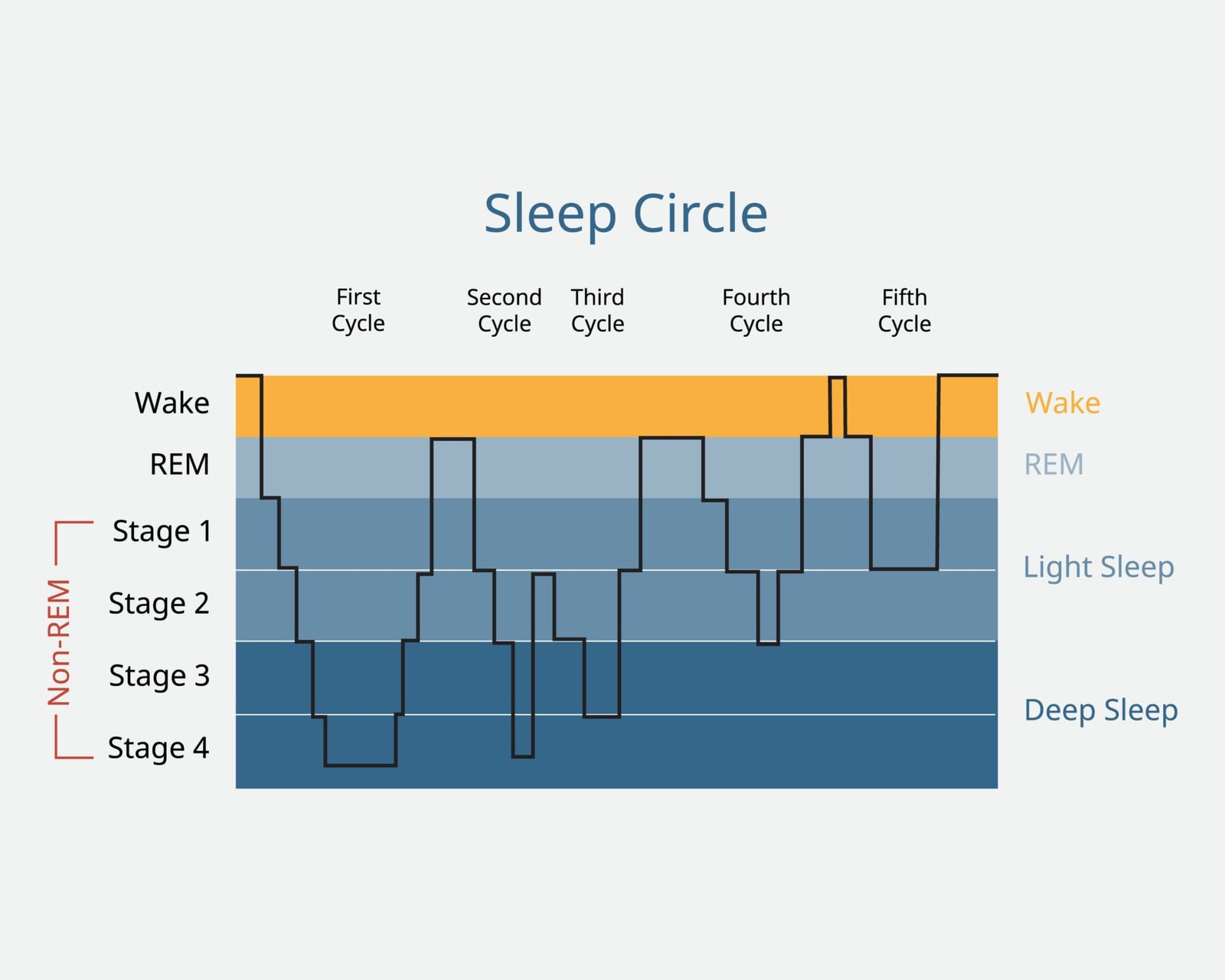
During the various stages of the sleep cycle, brain activity fluctuates significantly. This process is vital for brain health as different parts of the brain ramp up or down to facilitate learning, memory, and thinking. These activities also impact emotional and mental health.
The rapid eye movement (REM) phase of sleep is particularly important for processing emotional information through thought and memory. Additionally, deep sleep helps regulate stress hormones like cortisol. When we don’t get enough sleep, it becomes harder to solve problems, make decisions, cope with change, and control emotions.
Research has shown that inadequate sleep is associated with increased odds of frequent mental distress. Losing 1-2 hours of sleep over several nights can impair functioning as if you haven’t slept for a day or two. Poor sleep can also hinder the consolidation of positive emotions, leading to mood and emotional reactivity, which are linked to mental health issues such as depression, anxiety, and even suicidal ideation.
Sleep and Depression

Depression is a common mental health condition characterized by feelings of hopelessness or sadness. According to the National Alliance on Mental Illness (NAMI), around 8.4 million US adults suffer from a major depressive episode. Depressed individuals often experience insomnia, while others may have excessive daytime sleepiness or hypersomnia (too much sleeping).
While sleeping problems have long been seen as a symptom of depression, research now shows a bidirectional relationship. Insomniacs have a 10-fold risk of developing depression compared to those who sleep well. Poor sleep quality has also been linked to worsening depressive symptoms. Addressing sleep issues can help alleviate depressive symptoms and build emotional resilience.
Sleep and Anxiety

Anxiety disorders affect approximately 19.8% of US adults, according to NAMI. Conditions like generalized anxiety disorder, social anxiety disorder, panic disorder, and post-traumatic stress disorder (PTSD) are all linked to sleep issues. The constant state of worry and fear can lead to hyperarousal, making it difficult to fall asleep. Lack of sleep can also increase anxiety, creating a vicious cycle.
PTSD is particularly connected to poor sleep, as individuals often suffer from nightmares and heightened alertness. Chronic insomnia has also been identified as a predisposing trait for anxiety. Managing sleep is therefore critical for reducing anxiety levels.
Strategies to Improve Sleep and Mental Health
Improving sleep can have a significant impact on mental health. Here are some effective strategies:
Establish a Consistent Sleep Routine
Creating a bedtime routine can help signal your body that it’s time to wind down. Activities like showering, brushing your teeth, and reading a book can be part of this routine. Setting a ‘lights off’ time and avoiding afternoon naps can also help.
Create a Sleep-Friendly Environment
Your bedroom should be dark, cool, and free from distractions. Turn off electronic devices and consider using a white noise machine to create a peaceful atmosphere.
Manage Your Stress
Stress can interfere with sleep, so finding ways to manage it is essential. Techniques like deep breathing exercises, progressive muscle relaxation, and yoga can help calm the mind and reduce stress.
Seek Professional Help
If sleep problems persist, consulting a healthcare professional is advisable. Cognitive-behavioral therapy (CBT) can be effective for long-term sleep issues. Medications may also be recommended for certain conditions.
The Importance of Prioritizing Sleep
Sleep is not just about resting; it’s a biological necessity that affects every aspect of our health. From repairing the body to enhancing cognitive function, sleep plays a vital role in maintaining overall well-being. As we navigate the challenges of modern life, prioritizing sleep is more important than ever.
In conclusion, the link between sleep and mental health is undeniable. By understanding this connection and taking steps to improve sleep habits, we can enhance our mental well-being and lead healthier, more fulfilling lives.