

The Importance of Physical Touch in Human Connection and Well-being
Physical touch is one of the most fundamental aspects of human life, deeply embedded in our biology and emotional development. From the moment we are born, touch plays a crucial role in shaping our sense of security, emotional well-being, and social connections. In today’s fast-paced, technology-driven world, however, physical touch has become increasingly rare, leading to a growing sense of disconnection and emotional distress. This article explores the importance of physical touch, its impact on mental and physical health, and how we can reclaim this essential form of human connection.
The Biological Basis of Touch
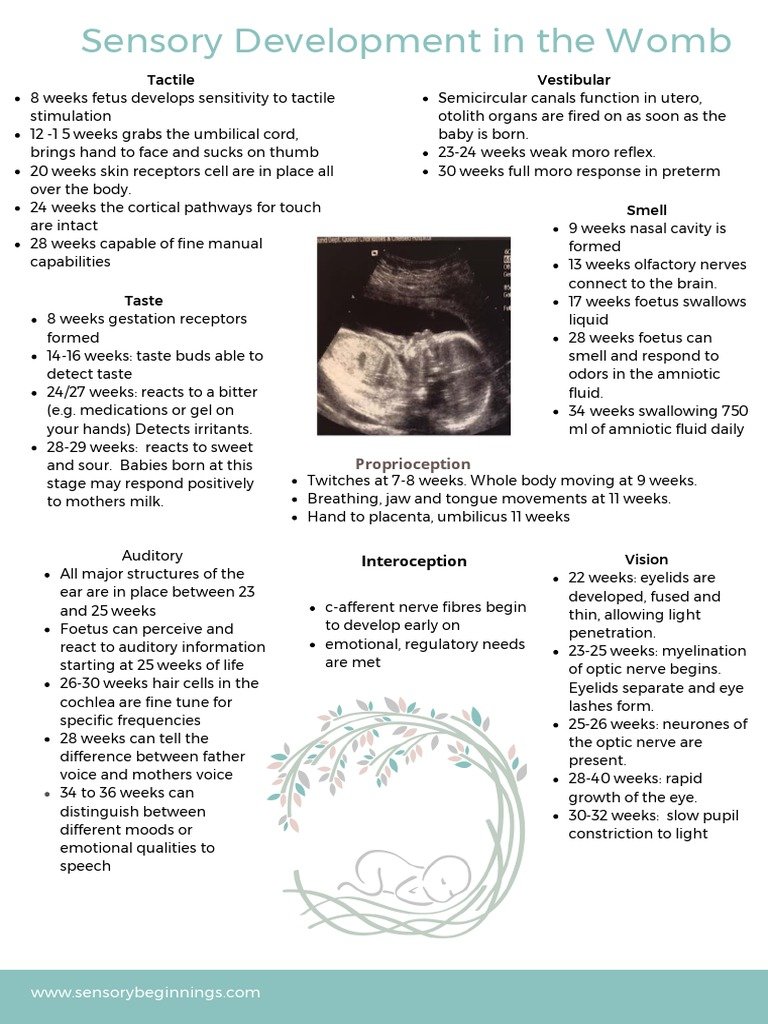
Touch is the first sense we develop, beginning as early as eight weeks into fetal development. It is not just a sensory experience but a vital component of our survival and growth. Research by Tiffany Field, a leading expert in touch research, highlights that even in the womb, babies respond to tactile stimuli, laying the foundation for attachment and emotional regulation (Field, 2010).
After birth, skin-to-skin contact between parents and infants is critical for regulating heart rate, breathing, and stress response. These early experiences shape the nervous system and establish a sense of safety and trust. As we grow, touch continues to play a central role in our development, influencing everything from emotional stability to immune function.
The Neuroscience of Touch and the Nervous System

The effects of touch on the brain and body are profound. When we receive gentle, nurturing touch, it activates the parasympathetic nervous system, which helps us relax and feel safe. This process reduces stress hormones like cortisol and increases the release of oxytocin, often referred to as the “love hormone.” Oxytocin promotes feelings of trust, bonding, and emotional safety, making touch a powerful tool for healing and connection.
Studies have shown that even simple acts, such as placing a hand on the heart or receiving a warm hug, can lower blood pressure, reduce anxiety, and improve mood. For individuals recovering from trauma, consistent, consensual touch can help reset patterns of hypervigilance and chronic stress stored in the nervous system.
Benefits of Healthy Physical Touch

Healthy physical touch offers a wide range of benefits for both mental and physical health. Some of these include:
- Decreased anxiety and depression: Touch stimulates the release of serotonin, a natural antidepressant.
- Improved immune function: Regular touch can boost the production of natural killer cells, which fight off viruses and bacteria.
- Lowered heart rate and blood pressure: Gentle touch helps regulate the autonomic nervous system.
- Strengthened interpersonal bonds: Touch fosters trust and emotional intimacy in relationships.
- Greater self-awareness and embodiment: Touch helps individuals connect with their bodies and emotions.
- Enhanced emotional regulation: Consistent touch supports emotional stability and resilience.
Touch Deprivation in the Digital Age
Despite its importance, many people suffer from touch deprivation, also known as “skin hunger.” This condition is characterized by emotional and physiological distress resulting from a lack of meaningful physical contact. Factors such as technology, urban living, isolation, and cultural taboos around touch have contributed to a society that is increasingly disconnected from the body and from one another.
In airports, for example, researchers have observed that people are rarely touching each other, instead being absorbed in their phones. This trend reflects a broader societal shift away from physical connection, with potentially serious consequences for mental and emotional health.
The Role of Touch in Relationships and Intimacy
Touch is fundamental to human bonding. In romantic relationships, platonic friendships, and family systems, touch communicates what words cannot. It provides reassurance, calms conflict, and strengthens emotional trust. However, many people carry unresolved trauma that makes physical closeness feel unsafe. Others feel disconnected from their bodies due to shame, medical trauma, or a lack of early nurturing touch.
At Embodied Wellness and Recovery, clinicians work gently and somatically to help clients rebuild their tolerance for connection, both with themselves and with others. Through practices like trauma-informed massage, breathwork, and guided self-touch, individuals can begin to heal and reconnect with their natural need for touch.
Reclaiming the Healing Power of Touch
Just as trauma is stored in the body, so is healing. Somatic therapy helps re-establish a sense of safety and comfort within the skin. By using gentle techniques such as breathwork, body awareness, and guided self-touch, clients can begin to rebuild a sense of trust in their physical sensations.
When appropriate and ethical, practices like partner-assisted co-regulation or therapeutic touch can support nervous system regulation and deepen the healing process. At Embodied Wellness and Recovery, clinicians are trained in body-based modalities that respect personal boundaries, consent, and cultural sensitivity.
What You Can Do Today to Nourish Your Sense of Touch
You don’t need to wait for a massage appointment or a romantic partner to begin receiving the benefits of touch. Here are some simple practices you can try:
- Place one hand on your heart and one on your belly. Notice the warmth and rhythm beneath your hands. Breathe slowly.
- Wrap yourself in a heavy blanket or weighted throw. Pressure can stimulate calming touch receptors and help soothe anxiety.
- Take a warm bath or shower with intention. Let the water serve as gentle sensory input. Focus on the sensations against your skin.
- Hug a loved one or a pet for at least 20 seconds. Sustained physical contact helps release oxytocin and reduce stress hormones.
These small, intentional acts of self-contact or safe connection can remind your body of what it already knows. You were made to feel. You were made to connect.