
The Mental Benefits of Pilates: How This Exercise Improves Mind and Body
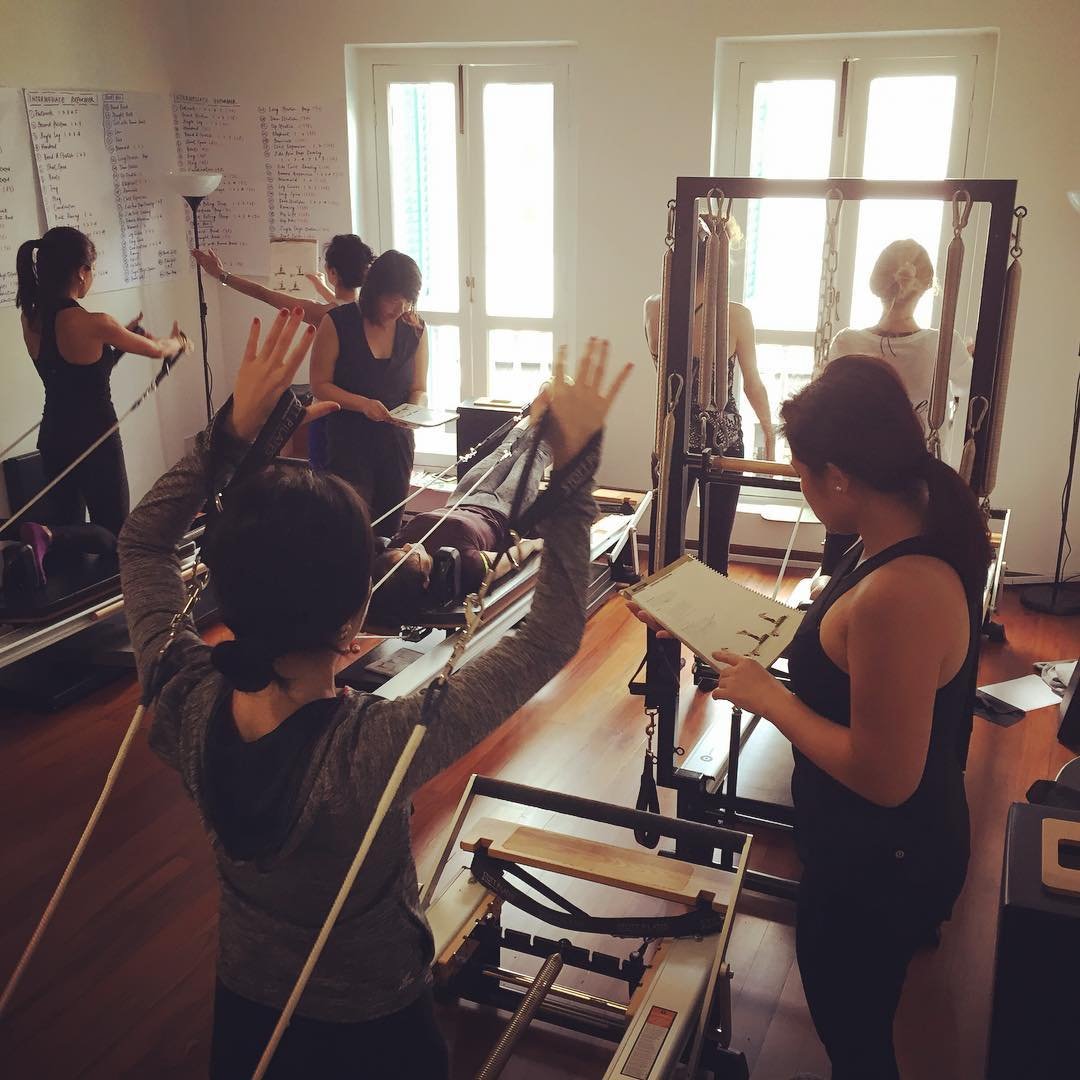
Pilates is often associated with physical fitness, but its mental benefits are equally significant. As a form of low-impact exercise that emphasizes controlled movements, breath, and body awareness, Pilates offers more than just physical strength—it nurtures the mind and enhances emotional well-being. Whether you’re looking to reduce stress, improve focus, or boost self-esteem, Pilates can be a powerful tool for mental health.
The Mind-Body Connection in Pilates
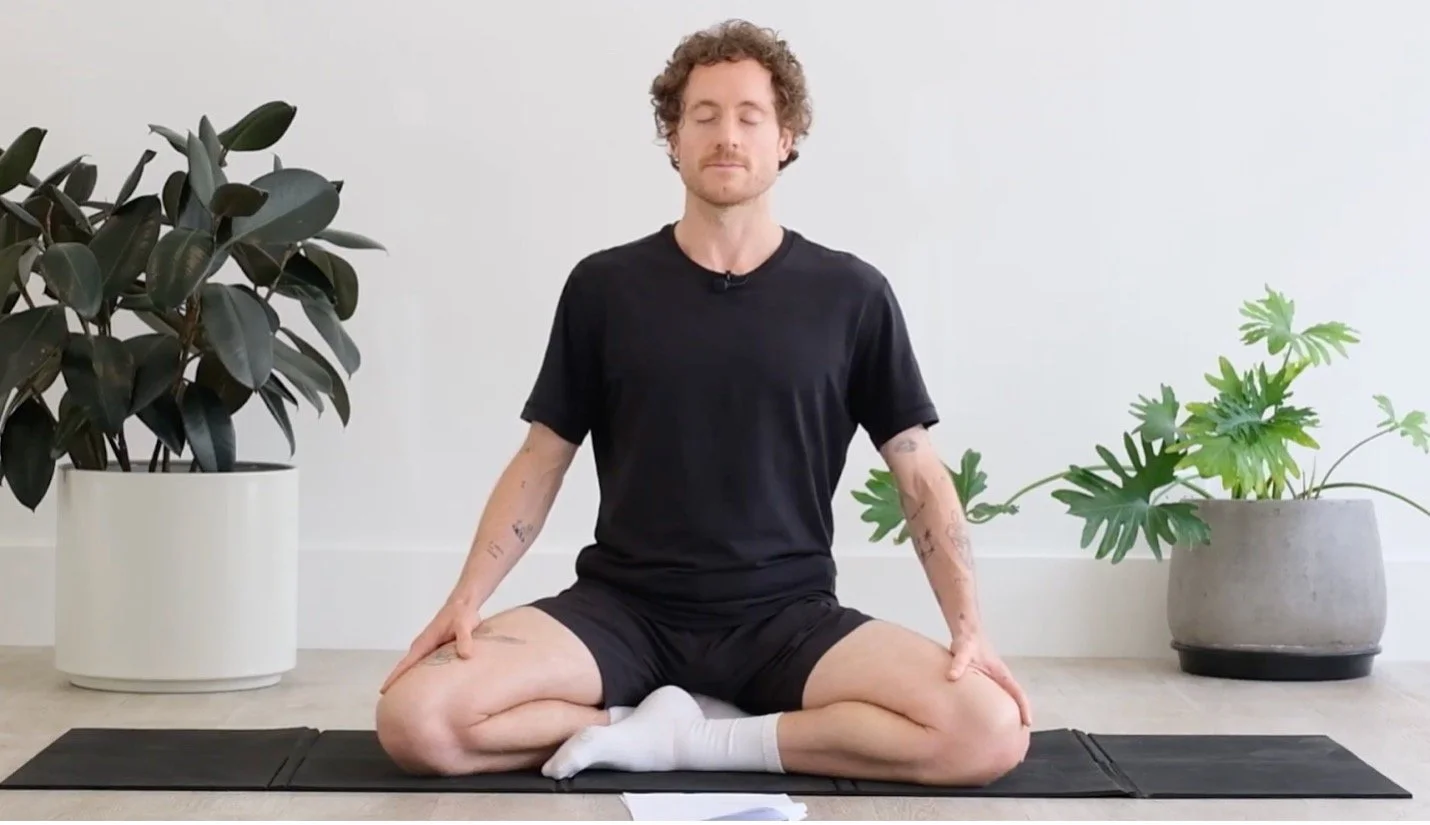
At the core of Pilates is the deep connection between the mind and body. Unlike traditional workouts that focus solely on physical exertion, Pilates requires practitioners to be fully present, engaging both mentally and physically. This mindfulness aspect helps individuals become more aware of their bodies, leading to better posture, balance, and overall well-being.
Key Benefits of Pilates for Mental Health
-
Stress Reduction
Pilates promotes relaxation by encouraging slow, controlled breathing and focused movement. This activates the parasympathetic nervous system, which helps calm the mind and reduce cortisol levels—the hormone linked to stress. Regular practice can lead to a greater sense of peace and emotional stability. -
Improved Mood
Physical activity, including Pilates, stimulates the release of endorphins—natural mood boosters that help combat feelings of anxiety and depression. Many people report feeling more energized and positive after a Pilates session, making it an excellent way to enhance mental well-being. -
Enhanced Focus and Clarity
Pilates demands mental engagement, requiring attention to form, breath, and movement. This focus not only improves the effectiveness of the workout but also translates into better concentration and cognitive function in daily life. For older adults, this can even support better memory and attention. -
Increased Self-Esteem
As clients progress in their Pilates practice, they gain confidence through improved strength, flexibility, and body awareness. This sense of accomplishment fosters a healthier relationship with their bodies, boosting self-worth and resilience. -
Better Sleep
The physical exertion of Pilates, combined with its calming effects, can improve sleep quality. Many individuals find that practicing Pilates before bed helps them relax and fall asleep more easily, leading to better rest and recovery. -
Managing Anxiety and Depression
Pilates provides a holistic approach to managing mental health challenges. The combination of physical movement, controlled breathing, and mental focus can alleviate symptoms of anxiety and depression, offering a natural and effective complement to professional treatment. -
Emotional Balance
By fostering mindfulness and body awareness, Pilates helps individuals develop a deeper connection with themselves. This emotional balance can lead to greater resilience in the face of life’s challenges.
Scientific Evidence Supporting Pilates’ Mental Benefits
Research has consistently shown that Pilates can have a positive impact on mental health. A study published in Frontiers in Psychology found that regular Pilates practice significantly reduced anxiety, depression, and somatization in participants. Another study highlighted its effectiveness in improving stress-related behaviors, particularly in how individuals manage their time and take breaks from work commitments.
Moreover, Pilates has been shown to be beneficial for individuals with chronic conditions such as multiple sclerosis, breast cancer, and chronic back pain. These findings reinforce the idea that Pilates is not just a physical exercise but a powerful tool for mental and emotional well-being.
How to Incorporate Pilates into Your Routine
To experience the mental benefits of Pilates, consider the following tips:
- Start Slowly: Begin with a beginner’s class to learn the fundamentals of Pilates and build a strong foundation.
- Focus on Breath: Pay attention to your breathing throughout each exercise. Proper breathing enhances the mind-body connection and promotes relaxation.
- Be Consistent: Regular practice is key to experiencing long-term mental and physical benefits. Aim for at least one session per week to start.
- Combine with Other Practices: Pair Pilates with other mindfulness techniques, such as meditation or yoga, to deepen your mental wellness journey.
Conclusion
Pilates is much more than a physical workout—it’s a holistic practice that supports mental health, emotional balance, and overall well-being. Whether you’re looking to reduce stress, improve focus, or boost self-esteem, Pilates offers a unique and effective way to nurture both the mind and body. By embracing this practice, you can unlock a new level of mental clarity and resilience, transforming not just your physical health but your entire approach to life.