

The Power of a Growth Mindset: How to Unlock Your Full Potential
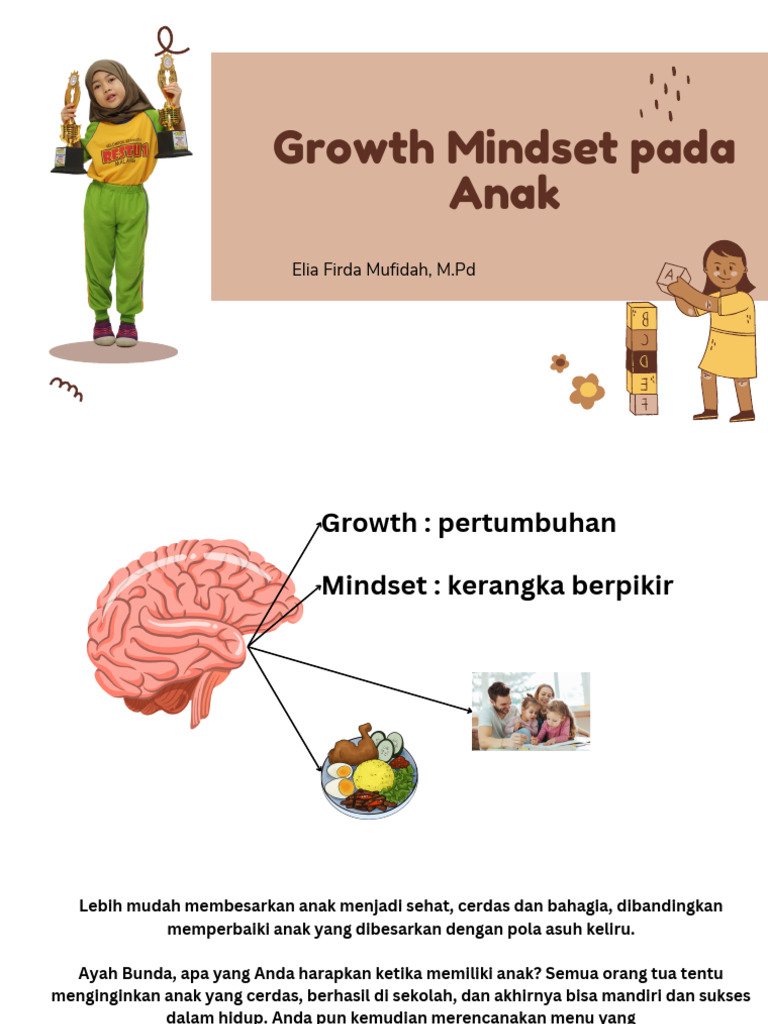
In today’s fast-paced world, the concept of a growth mindset has become increasingly relevant. A growth mindset is not just a buzzword; it’s a powerful approach that can transform how we perceive ourselves and our abilities. This article explores what a growth mindset is, why it matters, and how you can cultivate it to unlock your full potential.
What is a Growth Mindset?
A growth mindset is the belief that your abilities and intelligence can be developed through effort, learning, and persistence. Unlike a fixed mindset, which assumes that talents and skills are innate and unchangeable, a growth mindset encourages continuous improvement and adaptation.
This mindset fosters resilience, motivation, and creativity. People with a growth mindset see challenges as opportunities to learn and grow rather than as threats. They understand that setbacks are part of the journey and that failure is a stepping stone to success.
Why Does a Growth Mindset Matter?

The importance of a growth mindset extends beyond personal development. It influences how we handle stress, overcome obstacles, and achieve our goals. Here are some key reasons why a growth mindset is crucial:
- Resilience: A growth mindset helps you bounce back from failures and setbacks more quickly.
- Motivation: It drives you to set goals and work hard to achieve them.
- Creativity: It encourages you to explore new ideas without fear of making mistakes.
- Adaptability: It allows you to embrace change and adjust to new situations effectively.
By adopting a growth mindset, you can enhance your problem-solving skills, increase your confidence, and improve your overall well-being.
How to Cultivate a Growth Mindset

Cultivating a growth mindset requires conscious effort and practice. Here are some strategies to help you develop this mindset:
- Embrace Challenges: Instead of avoiding difficult tasks, view them as opportunities to learn and grow.
- Acknowledge Weaknesses: Recognize your limitations but commit to improving them or finding ways to work around them.
- Transform Negative Self-Talk: Replace self-defeating thoughts with positive affirmations. For example, instead of saying “I failed,” say “I learned something valuable.”
- Learn from Criticism: Accept feedback as a tool for improvement rather than a personal attack. Analyze it objectively and use it to grow.
- Celebrate Small Wins: Acknowledge and celebrate your progress, no matter how small it may seem.
Journal Prompts for a Growth Mindset
Journaling is an effective way to reflect on your thoughts and experiences, helping you develop a growth mindset. Here are some prompts to get you started:
- What’s one thing you learned recently?
- Describe a time you made a mistake and what you learned from it.
- What’s a goal you want to reach? What steps can you take to achieve it?
- Who inspires you, and what qualities do they have that you want to develop?
- What’s a challenge you faced lately, and how did you handle it?
- What’s a new skill you want to learn, and what’s your plan to get started?
- How do you handle criticism, and what have you learned from it?
- List three things you’re grateful for today.
- What’s your mantra for growth?
These prompts encourage self-reflection and help you identify areas for improvement. By regularly journaling, you can track your progress and stay motivated on your growth journey.
The Role of “Yet” in Shifting Your Mindset
One powerful technique to shift from a fixed mindset to a growth mindset is the use of the word “yet.” Instead of saying, “I can’t do this,” try saying, “I can’t do this yet.” This simple addition changes your perspective, reminding you that you’re on a journey and that growth is possible.
For example:
– “I don’t know how to do this… yet.”
– “I’m not good at this… yet.”
– “I’m not an expert in this area… yet.”
This mindset shift reduces pressure and increases hope. It encourages you to keep trying and learning, knowing that you’re capable of growth.
Small Daily Practices for Growth
Developing a growth mindset doesn’t require grand gestures; it starts with small, consistent actions. Here are some daily practices to consider:
- Mindset Journaling: Write down your thoughts and feelings each day to track patterns and progress.
- Step Out of Your Comfort Zone: Try new experiences, such as talking to someone new or exploring a different route.
- Set Small Goals: Focus on one new habit, like reading for 10 minutes or stretching in the morning.
- Plan Your Day: Jot down two or three things you want to accomplish to stay focused and productive.
- Reflect on Decisions: Evaluate your choices and think about what you could do differently next time.
- Make Time for Self-Care: Prioritize activities that relax and rejuvenate you, such as a walk or watching your favorite show.
- Focus on Personal Development: Identify a skill you want to improve and create a plan to practice it daily.
By incorporating these practices into your routine, you can gradually build a growth mindset that supports your personal and professional growth.
Conclusion
A growth mindset is a powerful tool that can transform your life. It enables you to embrace challenges, learn from setbacks, and continuously improve. By adopting this mindset, you can unlock your full potential and achieve greater success in all areas of life. Start small, stay consistent, and remember that growth is a journey, not a destination. With the right mindset, you can overcome any obstacle and reach new heights.