

The Power of Positive Psychology: How to Improve Your Mental Well-Being
Positive psychology has emerged as a transformative approach in the field of mental health, focusing on cultivating happiness, resilience, and overall well-being. Unlike traditional psychology, which often centers on diagnosing and treating mental illness, positive psychology emphasizes the strengths and virtues that enable individuals to thrive. This evergreen concept is not just a trend but a powerful tool that can be applied in daily life to enhance emotional and psychological health.
Understanding Positive Psychology
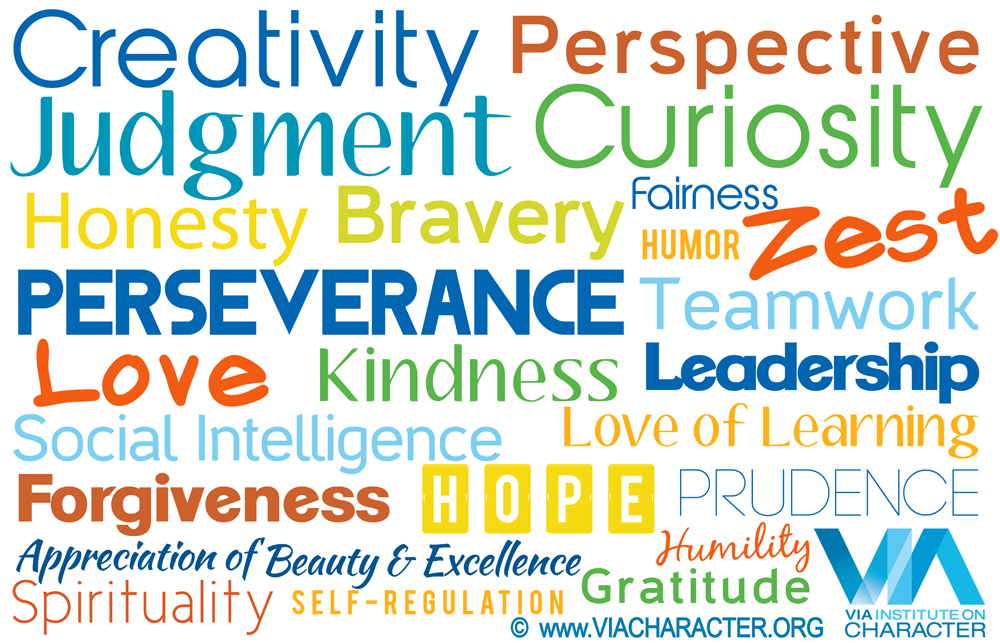
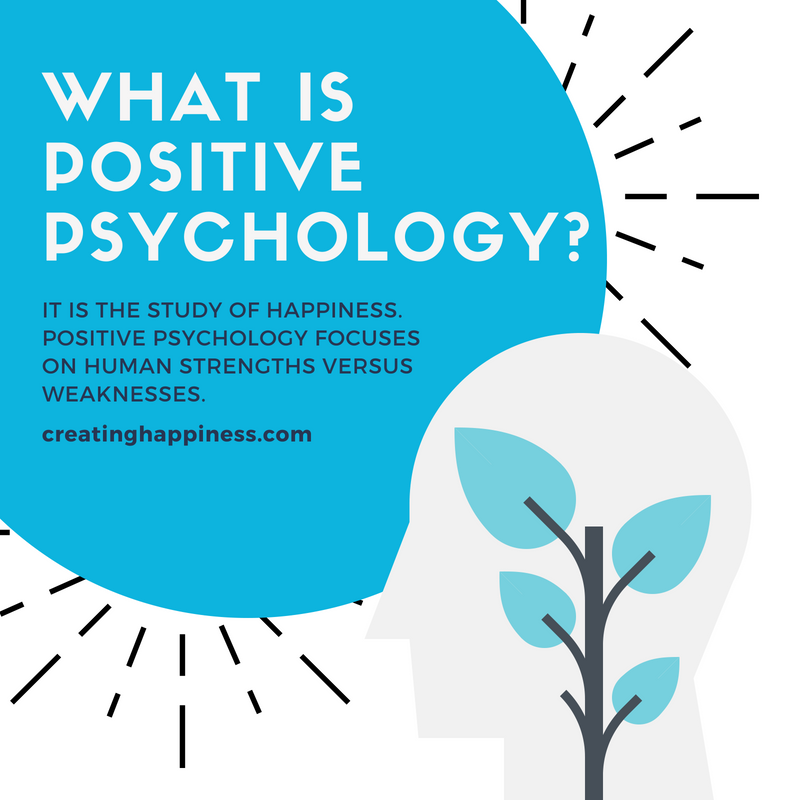
Positive psychology is a branch of psychology that studies how people can lead fulfilling, meaningful, and happy lives. It focuses on human strengths, positive emotions, and the factors that contribute to a sense of purpose and satisfaction. Pioneers like Mihaly Csikszentmihalyi and Martin Seligman have played significant roles in shaping this field, advocating for a shift from merely addressing problems to fostering growth and flourishing.
This science encourages individuals to recognize their unique strengths and use them to build a more positive and resilient life. By focusing on what is right rather than what is wrong, positive psychology helps people develop a more balanced perspective on life.
Benefits of Positive Psychology
-
Encourages Gratitude
One of the most impactful aspects of positive psychology is its emphasis on gratitude. Research shows that practicing gratitude can significantly improve mental well-being, increase happiness, and strengthen relationships. By reflecting on what we are thankful for, we shift our focus from what is lacking to what we already have. -
Helps Take Control
Positive psychology empowers individuals to take control of their lives by focusing on positive attitudes and actions. Studies suggest that intentionally cultivating positivity can lead to improved mental health and greater life satisfaction. -
Balances Financial Goals
While money is an essential part of life, positive psychology teaches us to balance financial goals with other meaningful pursuits. It highlights the importance of experiences over material possessions and encourages generosity, which can bring more fulfillment than spending on oneself. -
Promotes Acts of Kindness
Engaging in acts of kindness not only benefits others but also enhances our own happiness. Positive psychology research shows that helping others can boost self-esteem, reduce stress, and create a sense of connection and purpose. -
Improves Work Environments
Positive psychology can transform workplaces by promoting positive emotions, improving morale, and encouraging meaningful work. When employees feel valued and supported, they are more likely to be productive and satisfied. -
Avoids Toxic Positivity
A common misconception about positive psychology is that it promotes unrealistic optimism. However, the field actually advocates for a healthy balance between acknowledging emotions and maintaining a positive outlook. It encourages authenticity and emotional regulation rather than suppressing negative feelings. -
Develops Positive Social Circles
Interacting with positive, supportive people can significantly enhance well-being. Positive psychology highlights the importance of building strong social connections, which can provide emotional support and foster a sense of belonging. -
Focuses on Meaning
Finding meaning in life is a key component of well-being. Positive psychology suggests that individuals who engage in meaningful activities and pursue personal goals experience deeper satisfaction and resilience. -
Encourages Personal Growth
Rather than focusing on flaws, positive psychology encourages individuals to build on their strengths. It emphasizes the importance of self-improvement, healthy relationships, and developing positive traits to enhance overall life quality. -
Increases Chances of Success
Positive psychology has shown that happiness and well-being are closely linked to success. By prioritizing mental health and cultivating a positive mindset, individuals are more likely to achieve their goals and lead fulfilling lives.
Practical Techniques to Apply Positive Psychology
Incorporating positive psychology into daily life doesn’t require drastic changes. Here are some practical techniques:
- Gratitude Practice: Keep a gratitude journal to reflect on the positive aspects of your life.
- Positive Affirmations: Use affirmations to reinforce positive beliefs and self-worth.
- Mindfulness Meditation: Practice mindfulness to stay present and reduce stress.
- Acts of Kindness: Perform small acts of kindness to boost your mood and strengthen relationships.
- Strengths-Based Approach: Identify and leverage your unique strengths to achieve personal and professional goals.
- Positive Relationships: Invest time in nurturing supportive and meaningful relationships.
- Visualization: Visualize success and positive outcomes to enhance motivation and confidence.
- Mindful Eating: Practice mindful eating to develop a healthier relationship with food.
- Positive Self-Talk: Replace negative thoughts with empowering and positive statements.
- Engage in Flow Activities: Participate in activities that challenge and engage you, leading to a state of flow and fulfillment.
Conclusion
Positive psychology offers a powerful framework for enhancing mental well-being and leading a more fulfilling life. By focusing on strengths, gratitude, and meaningful experiences, individuals can cultivate a more positive and resilient mindset. Whether through simple practices or deeper self-reflection, the principles of positive psychology can be applied in everyday life to promote happiness, growth, and success.
As the field continues to evolve, it holds great promise for transforming how we understand and approach mental health. Embracing positive psychology is not just about being happy—it’s about living a life that is rich, meaningful, and full of purpose.