

The Power of Self-Awareness: How to Improve Your Inner Understanding and Personal Growth
Self-awareness is a fundamental aspect of personal development that allows individuals to understand themselves better. It involves recognizing one’s emotions, thoughts, values, and behaviors, as well as how these elements influence interactions with others. In today’s fast-paced world, where external distractions are constant, cultivating self-awareness has become more important than ever. This article explores the significance of self-awareness, its impact on personal growth, and practical techniques to enhance it.
Why Self-Awareness Matters
Self-awareness is not just about knowing yourself; it’s about understanding how you affect your environment and the people around you. According to research, individuals who are more self-aware tend to have higher levels of confidence, contentment, and a greater sense of control over their lives. They are also more likely to make informed decisions, manage their emotions effectively, and build stronger relationships.
Thomas Plante, a psychology professor at Santa Clara University, highlights that many people have a distorted perception of themselves. “We think we come across a certain way, then we see a video of us giving a talk or interacting with others and we don’t sound the way we think we sound, or look the way we think we look,” he explains. This discrepancy between self-perception and reality underscores the importance of developing self-awareness.
Tasha Eurich, an organizational psychologist, found that while 95% of people believe they are self-aware, only 10-15% truly are. This gap in awareness can lead to misunderstandings, poor decision-making, and strained relationships. By becoming more self-aware, individuals can bridge this gap and gain a clearer understanding of themselves and their impact on others.
The Role of Self-Awareness in Personal Growth
Personal growth is closely tied to self-awareness. As individuals grow older, their sense of self becomes more defined, encompassing their likes, dislikes, values, and purpose. This internal awareness allows them to navigate life with greater clarity and intentionality.
Self-awareness helps individuals identify their strengths and weaknesses, which is crucial for personal development. It enables them to set realistic goals, make informed choices, and adapt to changing circumstances. Moreover, it fosters self-acceptance and resilience, allowing individuals to embrace their imperfections and learn from their experiences.
Eurich emphasizes that self-awareness allows people to shift perspectives, seeing both hard realities and possibilities. “We’ve found that people who are more self-aware are also more self-accepting,” she notes. This acceptance is a key component of personal growth, as it encourages individuals to embrace their unique qualities and work towards continuous improvement.
Techniques to Enhance Self-Awareness
There are several effective techniques to improve self-awareness. Here are some practical strategies:
- Daily Check-Ins
Take a few minutes each day to reflect on your experiences. Ask yourself: - What went well today?
- What didn’t go so well today?
- How can I be smarter tomorrow?
These questions encourage introspection and help you stay focused on growth rather than dwelling on past mistakes.
-
Seek Feedback
Asking for honest feedback from trusted friends, family, or colleagues can provide valuable insights into how you are perceived by others. A “dinner of truth” is a great way to gather constructive feedback in a supportive environment. -
Journaling
Keeping a journal allows you to track your thoughts, emotions, and experiences over time. Reflecting on your entries can reveal patterns and areas for improvement. Journal prompts such as “What do I really want out of life?” or “Am I on the right track?” can deepen your self-awareness. -
Observe Your Self-Talk
Pay attention to the inner voice that criticizes or praises you. Learning to recognize and challenge negative self-talk can lead to greater self-compassion and a more positive mindset. -
Practice Active Listening
Active listening involves fully engaging with others and seeking to understand their perspective. This not only improves communication but also enhances your awareness of how you interact with others. -
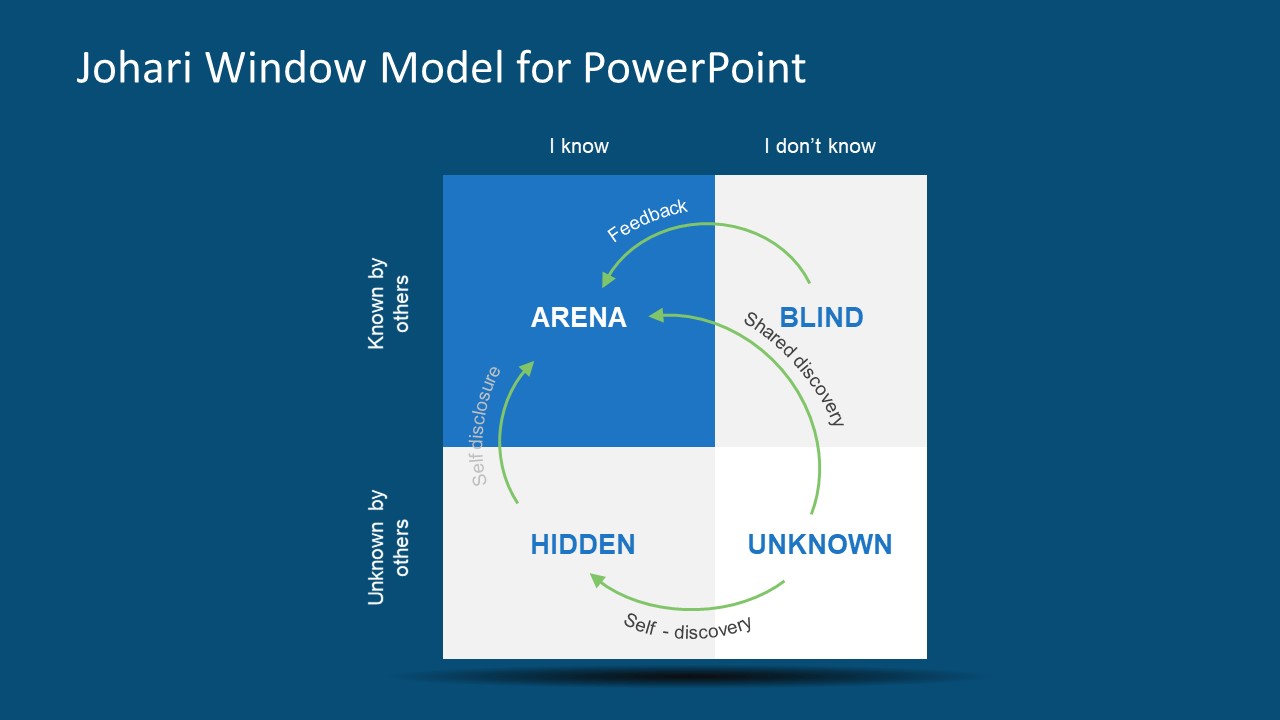
Use the Johari Window
The Johari Window is a model that helps individuals understand how they perceive themselves and how others perceive them. It consists of four quadrants: Open, Blind Spot, Hidden, and Unknown. By identifying traits in each quadrant, you can gain a more comprehensive understanding of yourself.
Conclusion
Self-awareness is a powerful tool that can transform your personal and professional life. By understanding yourself better, you can make more informed decisions, build stronger relationships, and achieve greater fulfillment. Whether through daily reflection, seeking feedback, or using models like the Johari Window, there are numerous ways to enhance your self-awareness.
Remember, self-awareness is a journey, not a destination. It requires ongoing effort and commitment, but the rewards are well worth it. As you continue to develop your self-awareness, you will find yourself growing in ways you never thought possible.