

The Science-Backed Happiness Habits That Can Transform Your Life
Happiness is one of the most sought-after states in human life. It’s not just a fleeting emotion but a complex interplay of biology, psychology, and environment. While many people chase happiness through external achievements or material possessions, the science behind it suggests that consistent, intentional habits are more effective in cultivating lasting joy. In this article, we’ll explore the science-backed happiness habits that can transform your life.
1. Practice Gratitude Daily
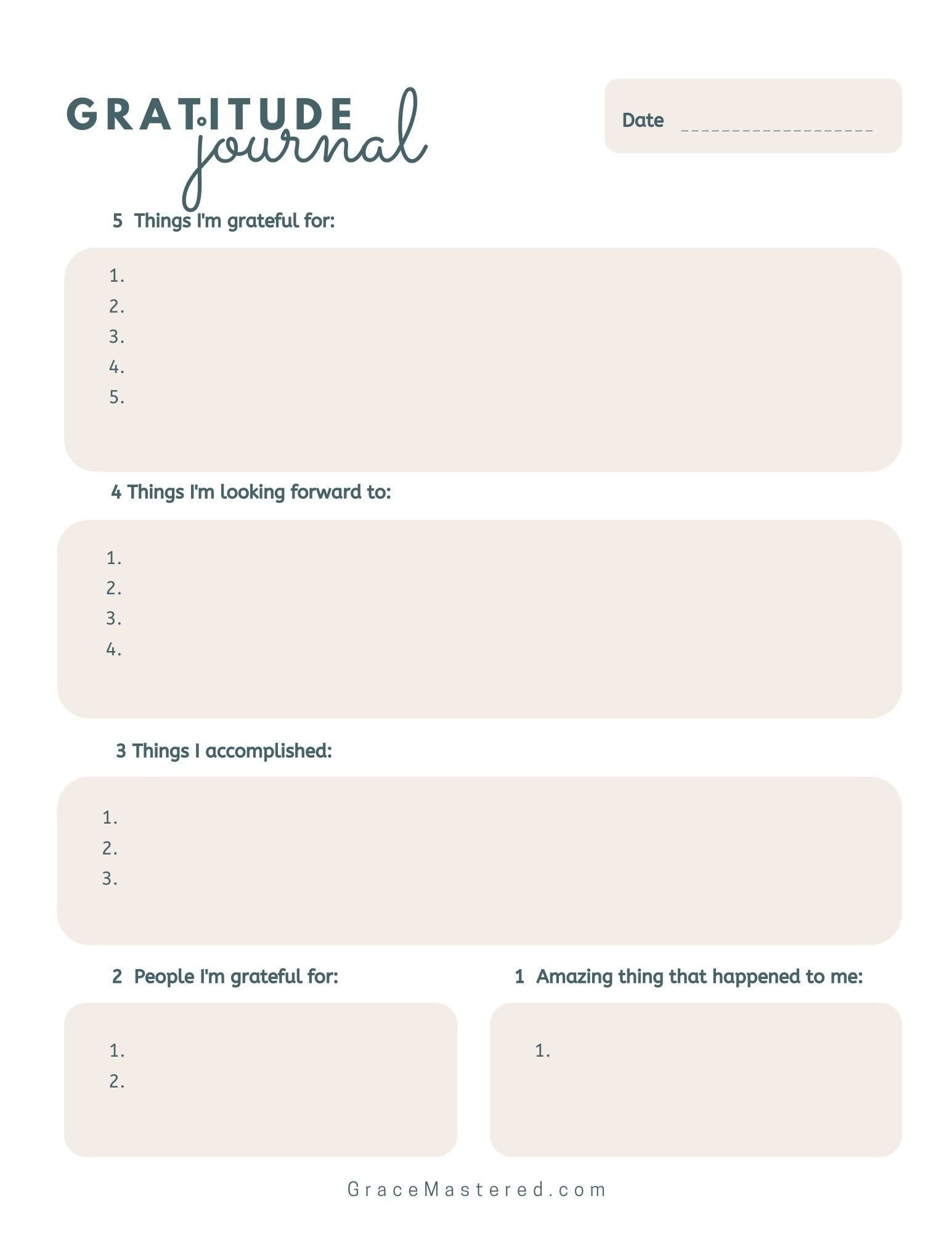
Gratitude is one of the most powerful tools for enhancing happiness. Studies have shown that individuals who regularly express gratitude experience higher levels of well-being, better sleep, and stronger relationships. This habit helps shift your focus from what you lack to what you already have, fostering a sense of contentment and fulfillment.
How to start:
– Keep a gratitude journal and write down three things you’re grateful for each day.
– Express appreciation to others, whether through a simple “thank you” or a heartfelt note.
2. Engage in Acts of Kindness

Research has consistently shown that performing acts of kindness increases happiness. When we help others, our brain releases feel-good chemicals like oxytocin and serotonin, which contribute to a sense of well-being. This creates a positive feedback loop—helping others makes us happier, and being happier makes us more likely to help others.
How to start:
– Volunteer your time for a cause you care about.
– Perform small acts of kindness, such as holding the door open for someone or offering a compliment.
3. Prioritize Physical Activity
Regular physical activity is not only good for your body but also for your mind. Exercise releases endorphins, which are natural mood boosters. It also reduces stress and anxiety, improves sleep, and enhances overall mental health. Whether it’s a brisk walk, yoga, or a gym session, making movement a part of your daily routine can significantly impact your happiness.
How to start:
– Choose an activity you enjoy and make it a regular part of your schedule.
– Aim for at least 30 minutes of moderate exercise most days of the week.
4. Cultivate Strong Social Connections
Human beings are social creatures, and strong relationships are essential for happiness. Research shows that people with close, supportive relationships are more likely to be happy, healthier, and live longer. Meaningful connections provide emotional support, reduce loneliness, and enhance our sense of belonging.
How to start:
– Make time for friends and family, even if it’s just a quick call or message.
– Join clubs, groups, or communities that align with your interests.
5. Practice Mindfulness and Meditation
Mindfulness and meditation have been proven to reduce stress, improve emotional regulation, and increase overall well-being. These practices help you stay present, reduce negative thinking, and develop a greater sense of peace and clarity. Even a few minutes of daily mindfulness can make a significant difference in your mental state.
How to start:
– Start with short meditation sessions, focusing on your breath or a mantra.
– Incorporate mindfulness into daily activities, such as eating or walking.
6. Embrace a Growth Mindset
A growth mindset, as defined by psychologist Carol Dweck, is the belief that your abilities and intelligence can be developed through effort and learning. This perspective fosters resilience, motivation, and a sense of purpose, all of which contribute to long-term happiness. People with a growth mindset are more likely to embrace challenges and view setbacks as opportunities for growth.
How to start:
– Focus on learning and improvement rather than perfection.
– Celebrate small victories and progress, no matter how minor.
7. Limit Screen Time and Digital Distractions
While technology has its benefits, excessive screen time can negatively impact mental health. Constant exposure to social media, news, and digital distractions can lead to anxiety, depression, and decreased productivity. Setting boundaries around your screen time can help you reclaim your attention and improve your overall well-being.
How to start:
– Set specific times for checking emails and social media.
– Replace screen time with offline activities, such as reading, hobbies, or spending time in nature.
8. Maintain a Healthy Sleep Schedule
Sleep plays a crucial role in both physical and mental health. Poor sleep can lead to irritability, fatigue, and a weakened immune system, all of which can negatively affect happiness. Establishing a consistent sleep routine can improve your mood, cognitive function, and overall quality of life.
How to start:
– Go to bed and wake up at the same time every day.
– Create a relaxing bedtime routine, such as reading or taking a warm bath.
9. Eat a Balanced Diet
Nutrition has a direct impact on mood and energy levels. A diet rich in whole foods, fruits, vegetables, and lean proteins can improve mental clarity, reduce inflammation, and enhance emotional stability. Avoiding processed foods and excessive sugar can also help maintain a more balanced emotional state.
How to start:
– Plan meals ahead of time and prepare healthy snacks.
– Stay hydrated and limit caffeine and alcohol intake.
10. Reflect on Your Values and Purpose
Living in alignment with your values and purpose can bring a deep sense of fulfillment and meaning. When we engage in activities that reflect our core beliefs and goals, we feel more connected to ourselves and the world around us. This sense of purpose contributes to long-term happiness and resilience.
How to start:
– Reflect on what truly matters to you.
– Set goals that align with your values and work toward them consistently.
In conclusion, happiness is not something that happens to us—it’s something we can actively cultivate through consistent habits and intentional choices. By incorporating these science-backed practices into your daily life, you can transform your well-being and create a more joyful, fulfilling existence. Remember, happiness is not a destination but a journey—one that begins with small, meaningful steps.