

The Timeless Charm of Handwritten Letters: Why They Still Matter Today
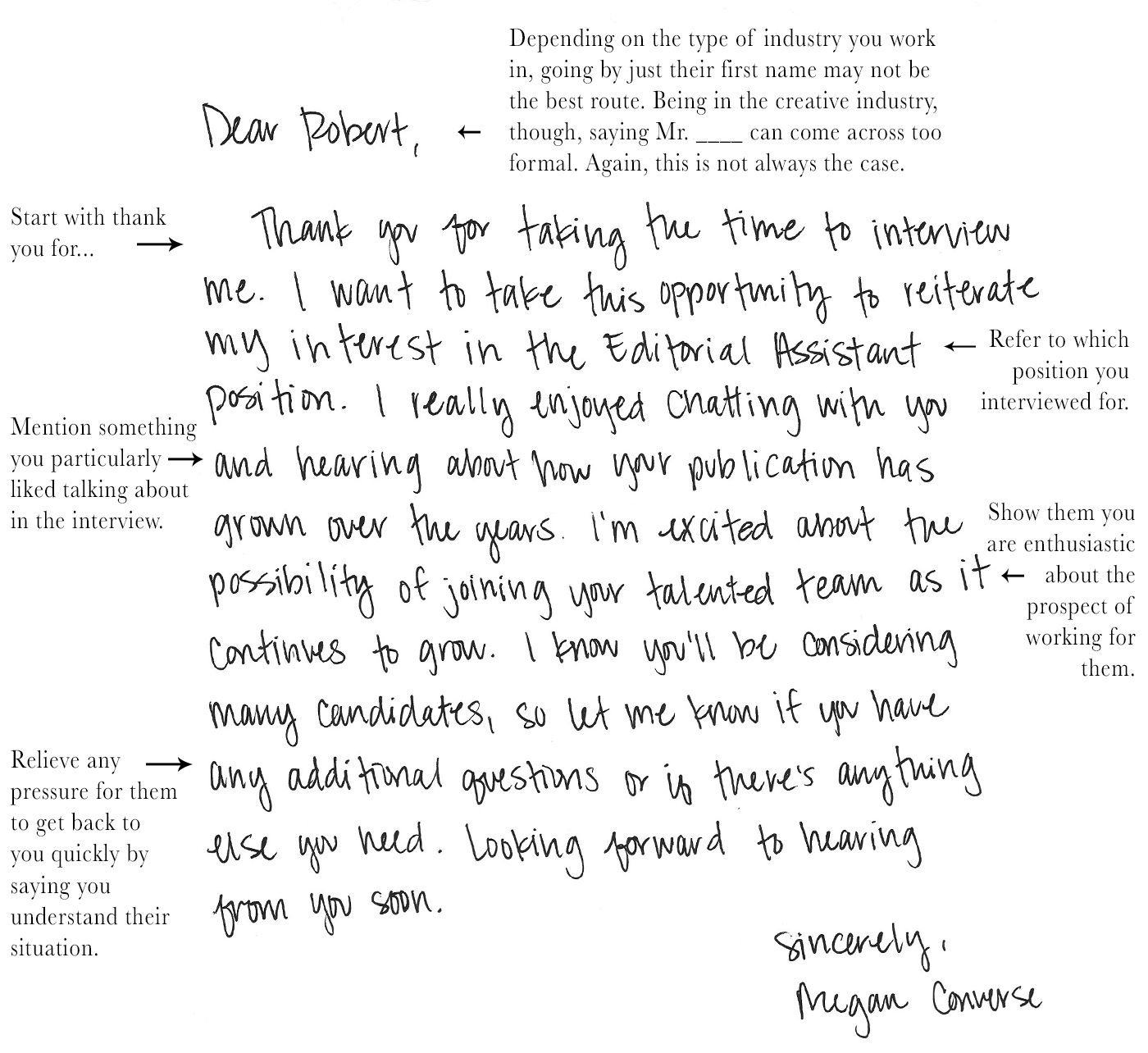
In an era where digital communication dominates our daily lives, the handwritten letter stands out as a symbol of authenticity and emotional depth. Despite the convenience of instant messaging and emails, there is something profoundly special about receiving a letter that has been carefully written by hand. This article explores the enduring appeal of handwritten letters, delving into their emotional, cultural, and personal significance in today’s fast-paced world.
The Personal Touch: A Connection Beyond Digital
One of the most compelling reasons people value handwritten letters is the personal touch they convey. Unlike typed messages sent at lightning speed, a handwritten letter reflects the time, effort, and care invested by the sender. Each stroke of the pen is unique—shaped by personality, mood, and even physical conditions like hand steadiness or the choice of ink color. This individuality creates a sense of intimacy that cannot be replicated by a text or email.
Moreover, handwriting reveals a lot about a person’s character. The style and neatness can evoke feelings of warmth or nostalgia. When someone receives a letter written in their loved one’s handwriting, it often feels like a direct extension of that person reaching out across distance and time. This tangible connection nurtures deeper emotional bonds.
Tangibility and Permanence

In contrast to ephemeral digital messages that can disappear with a click or get buried in overloaded inboxes, handwritten letters are physical objects that can be treasured and preserved. They have a sense of permanence; letters can be stored in boxes, displayed on mantels, or kept in journals as keepsakes.
This tangibility allows individuals to revisit memories repeatedly. Reading an old letter can evoke powerful emotions associated with a particular moment—whether it’s love, friendship, encouragement during hard times, or celebration of milestones. Letters become artifacts of personal history that withstand the test of time.
Slowing Down: The Mindfulness Factor
Handwritten letters encourage slowing down in a fast-paced world. Writing by hand requires more time and thought than typing on a keyboard or tapping out a quick message on a phone. This deliberate process fosters mindfulness—helping individuals focus on their feelings and craft their message carefully.
The act of letter writing itself can be therapeutic. It allows writers to express themselves thoughtfully without the pressure for instant response or brevity commonly found in digital communication. This slower pace often results in more meaningful content that resonates deeply with recipients.
Expressing Creativity and Personality
Another reason for the enduring value of handwritten letters lies in their ability to showcase creativity. Writers can personalize letters with drawings, decorations, unique paper choices, calligraphy styles, stamps, or seals. These artistic elements add layers of expression that enhance the emotional impact.
For many people, decorating letters is an enjoyable hobby that reflects their personality and affection for the recipient. Such personalization communicates effort and thoughtfulness in ways that no emoji or GIF could ever match.
Cultural Traditions and Symbolism

In many cultures around the world, handwritten letters carry significant traditional and symbolic importance. They are often part of rituals for weddings, births, condolences, holidays, or other ceremonial occasions.
For instance, handwritten wedding vows or condolence notes are treasured because they symbolize sincerity and respect. In some societies, receiving a handwritten letter from an elder or respected figure is considered an honor that conveys trust and esteem.
These cultural contexts help sustain the practice of letter writing even as technology advances.
Enhancing Communication Skills
Writing handwritten letters also promotes valuable communication skills that may be diminished by casual texting and social media posts. Crafting a clear message on paper requires careful word choice and sentence structure.
This practice helps improve vocabulary, grammar, spelling, and overall literacy. It encourages self-expression beyond shorthand abbreviations or emojis common in digital chats.
For younger generations especially, learning to write letters can foster patience and attention to detail along with empathy for others’ perspectives as they consider how best to convey their thoughts.
Privacy and Security
In today’s digital era where data breaches and online surveillance are common concerns, handwritten letters offer an added layer of privacy. Unlike emails or texts that can be hacked or intercepted electronically, physical letters remain secure if handled carefully.
Recipients can read private messages without fear that they are being monitored automatically by algorithms or third parties. This sense of security makes handwritten correspondence appealing for sharing sensitive information or intimate emotions.
Creating Lasting Memories
Beyond immediate communication needs, handwritten letters create lasting memories that shape relationships across lifetimes. Families pass down treasured letters through generations as part of their heritage—preserving stories about ancestors’ lives, challenges overcome, hopes for the future.
In romantic relationships too, couples often save love letters as reminders of special moments shared together. These mementos serve as anchors during difficult times—rekindling feelings when physical distance or circumstances separate loved ones.
The Resurgence Amid Digital Overload
Interestingly, there has been a notable resurgence in interest around handwritten letters amid growing digital overload. Many people feel overwhelmed by constant notifications and superficial online interactions lacking depth.
By contrast, receiving a thoughtfully crafted letter offers a refreshing break—a chance to disconnect from screens and experience something genuine. Movements like letter-writing campaigns for mental health awareness or pen-pal exchanges between strangers foster human connection in new ways while reviving old traditions.
This renaissance highlights how handwritten letters meet timeless human needs for authenticity in increasingly digitized lives.
Conclusion
Despite rapid advances in communication technology enabling instant connectivity worldwide, handwritten letters remain deeply valued for multiple reasons:
- They provide an irreplaceable personal touch reflecting individuality.
- Their physical form offers permanence for preserving memories.
- Writing by hand encourages mindfulness and creativity.
- Cultural customs continue to uphold letter writing’s symbolic importance.
- Letters enhance literacy skills often neglected online.
- They offer greater privacy than digital channels.
- Finally, they create lasting emotional bonds cherished across generations.
In essence, handwritten letters fulfill fundamental human desires for meaningful connection amid an impersonal digital landscape. Their continued relevance reminds us that sometimes slowing down to craft words on paper delivers more profound impact than any modern innovation could replicate.
As long as people seek genuine expression rooted in presence and care—not just convenience—handwritten letters will endure as treasured forms of communication rich with heart and history.