

The Ultimate Guide to Effective Knowledge Management Strategies
In today’s fast-paced and knowledge-driven business environment, effective knowledge management (KM) has become a critical factor in achieving sustainable success. Organizations that can efficiently capture, organize, and share knowledge are better positioned to innovate, make informed decisions, and maintain a competitive edge. This guide explores the principles, strategies, and best practices of knowledge management, offering insights into how businesses can harness their collective intelligence for long-term growth.
Understanding Knowledge Management
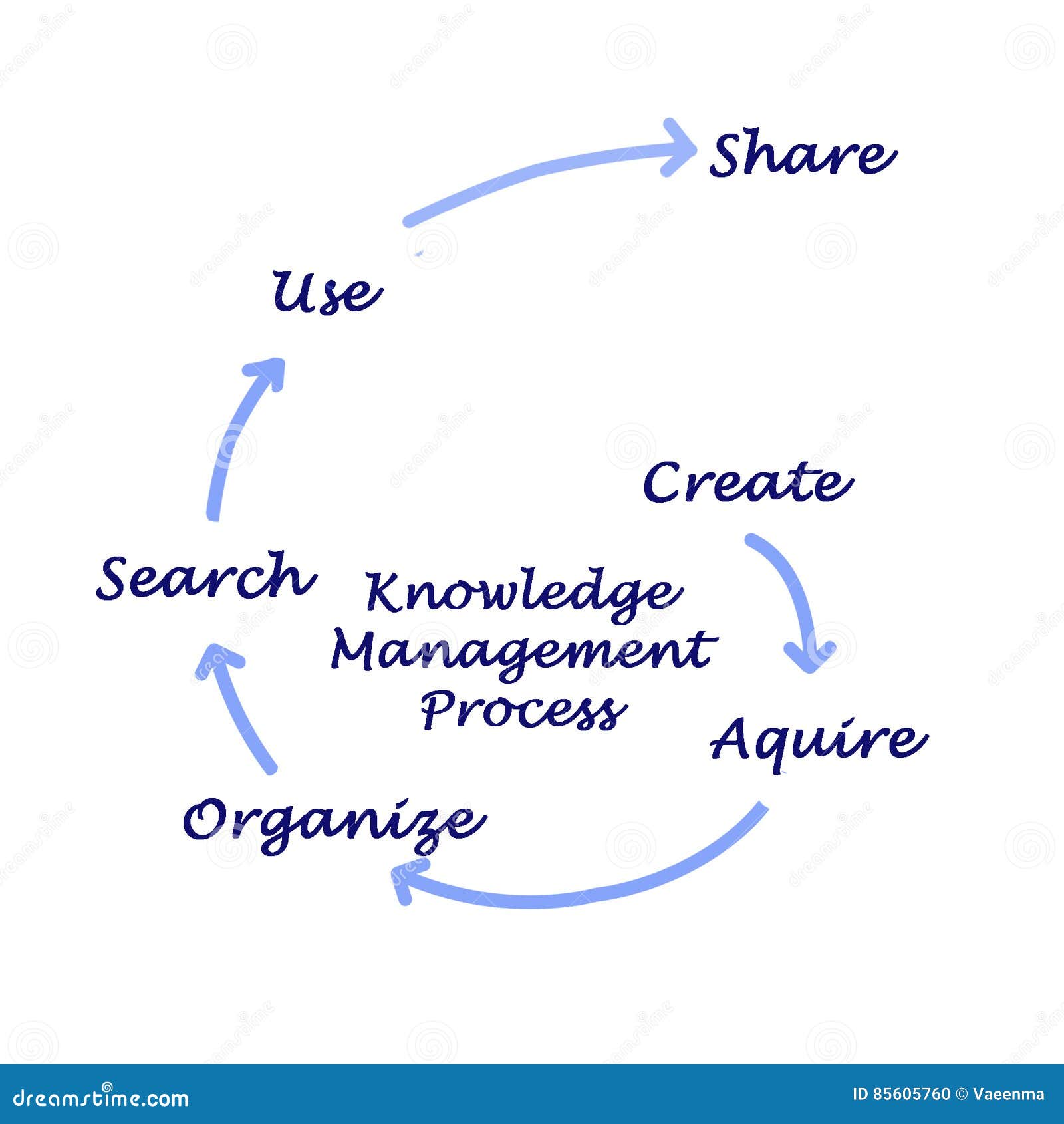
Knowledge management refers to the systematic process of creating, capturing, organizing, sharing, and utilizing knowledge within an organization. It involves leveraging both explicit knowledge (such as documents, databases, and procedures) and tacit knowledge (which is more experiential and difficult to codify). The goal of KM is to ensure that the right information is available to the right people at the right time, thereby enhancing productivity, collaboration, and innovation.
According to research, organizations with robust KM systems experience improved operational efficiency, faster decision-making, and higher employee satisfaction. For instance, companies that implement effective knowledge management strategies often see a reduction in redundant tasks and an increase in the speed of onboarding new employees.
Key Components of Effective Knowledge Management
To build a successful KM strategy, organizations should focus on several key components:
-
People and Culture: A culture that encourages knowledge sharing and collaboration is essential. Employees should feel motivated to contribute their insights and experiences without fear of losing personal value.
-
Processes and Structures: Establishing clear processes for capturing, storing, and retrieving knowledge ensures that information is easily accessible. This includes defining roles and responsibilities for knowledge management within the organization.
-
Technology: Utilizing advanced tools and platforms such as cloud-based repositories, AI-driven search engines, and collaboration software can significantly enhance the effectiveness of KM. These technologies help in organizing knowledge and making it actionable.
-
Continuous Improvement: KM is not a one-time project; it requires ongoing refinement. Regularly measuring the effectiveness of KM systems using metrics like usage rates and employee satisfaction allows for continuous improvement.
Strategies for Effective Knowledge Management

Several strategies can be employed to enhance knowledge management within an organization:
-
Align KM Initiatives with Business Goals: Ensure that KM efforts directly support organizational objectives. This means linking knowledge activities to measurable outcomes such as faster product development or improved customer service.
-
Foster a Culture of Sharing: Encourage employees to share their insights and experiences through recognition programs, collaborative platforms, and mentorship initiatives. Over time, this fosters a culture where knowledge sharing becomes a natural part of workflows.
-
Use Advanced Tools and Platforms: Implement modern KM tools that facilitate the capture, search, and sharing of knowledge. These tools should be intuitive and integrate seamlessly into existing workflows.
-
Capture Both Explicit and Tacit Knowledge: Develop methods to document processes and conduct interviews to capture experiential knowledge. This ensures that lessons learned and practical knowledge are preserved, even when employees leave.
-
Continuously Improve KM Systems: Regularly assess the effectiveness of KM systems and make necessary adjustments. This includes updating content, enhancing tools, and modifying processes to ensure that knowledge remains relevant and accessible.
Challenges in Knowledge Management
Despite the benefits, organizations often face challenges in implementing effective KM strategies. Common issues include:
-
Knowledge Silos: Departments or individuals may hoard knowledge, limiting organizational learning. To address this, encourage cross-department collaboration and implement shared repositories.
-
Information Overload: Without proper curation, excessive data can overwhelm employees. Use content tagging, prioritization, and AI-driven filtering to deliver relevant information.
-
Cultural Resistance: Employees may resist sharing knowledge due to fears of losing personal value. Promote a knowledge-sharing culture through recognition, incentives, and leadership modeling.
-
Technology Adoption: KM tools can fail if they are too complex or poorly integrated. Provide training, choose intuitive platforms, and integrate tools into existing workflows.
-
Content Quality: Outdated or inaccurate information can erode trust in KM systems. Establish regular content reviews and define ownership to ensure quality standards.
Best Practices for 2025
As we move into 2025, knowledge management must evolve in response to new technologies and workplace dynamics. Here are ten best practices to consider:
- Adopt AI-powered, personalized KM systems to provide real-time, context-aware knowledge tailored to individual roles.
- Integrate KM with collaboration tools like Microsoft Teams or Slack to ensure seamless access and sharing of information.
- Use knowledge graphs and semantic search to improve the accuracy and relevance of information retrieval.
- Automate content maintenance to ensure knowledge stays current and reliable.
- Build a unified knowledge ecosystem that consolidates all critical resources into one easy-to-access platform.
- Keep humans in the loop to provide ethical oversight and contextual judgment.
- Capture tacit knowledge through mentoring programs and communities of practice.
- Prioritize user experience (UX) to design intuitive and mobile-friendly KM platforms.
- Strengthen governance and data quality to maintain high-quality, credible content.
- Prepare content for AI readiness by structuring and tagging knowledge for seamless integration with advanced systems.
Conclusion
Effective knowledge management is no longer just a best practice—it is a strategic imperative in today’s knowledge-driven economy. By aligning KM initiatives with business goals, fostering a culture of sharing, leveraging technology, and continuously improving systems, organizations can unlock the full potential of their collective intelligence. As we look ahead to 2025, embracing these best practices will enable businesses to stay agile, innovative, and competitive in an ever-changing landscape.