

The Ultimate Guide to Improving Your Sleep Hygiene for Better Health
Sleep is a fundamental aspect of our well-being, yet many people neglect the importance of maintaining good sleep hygiene. Sleep hygiene refers to the practices and habits that promote consistent, quality sleep. In today’s fast-paced world, where stress, technology, and irregular schedules are common, understanding and implementing effective sleep hygiene practices is more important than ever.
Good sleep hygiene can significantly improve your physical and mental health, enhance cognitive function, and even reduce the risk of chronic diseases. Whether you’re struggling with insomnia or simply looking to optimize your sleep, this guide will provide you with actionable steps to improve your sleep hygiene.
What Is Sleep Hygiene?
Sleep hygiene is a set of behavioral and environmental recommendations designed to help individuals achieve better sleep. It includes practices such as maintaining a regular sleep schedule, creating a comfortable sleeping environment, and avoiding stimulants before bedtime. According to Dr. Angelica Balingit, MD, a mattress that provides comfort and support is essential for restful sleep. An old or sagging mattress may not offer the necessary spinal alignment, leading to discomfort and disrupted sleep.
In addition to the right mattress, sleep hygiene also involves managing factors like light exposure, noise levels, and temperature in your bedroom. These elements can significantly impact the quality of your sleep.
Key Components of Good Sleep Hygiene
To improve your sleep hygiene, consider the following key components:
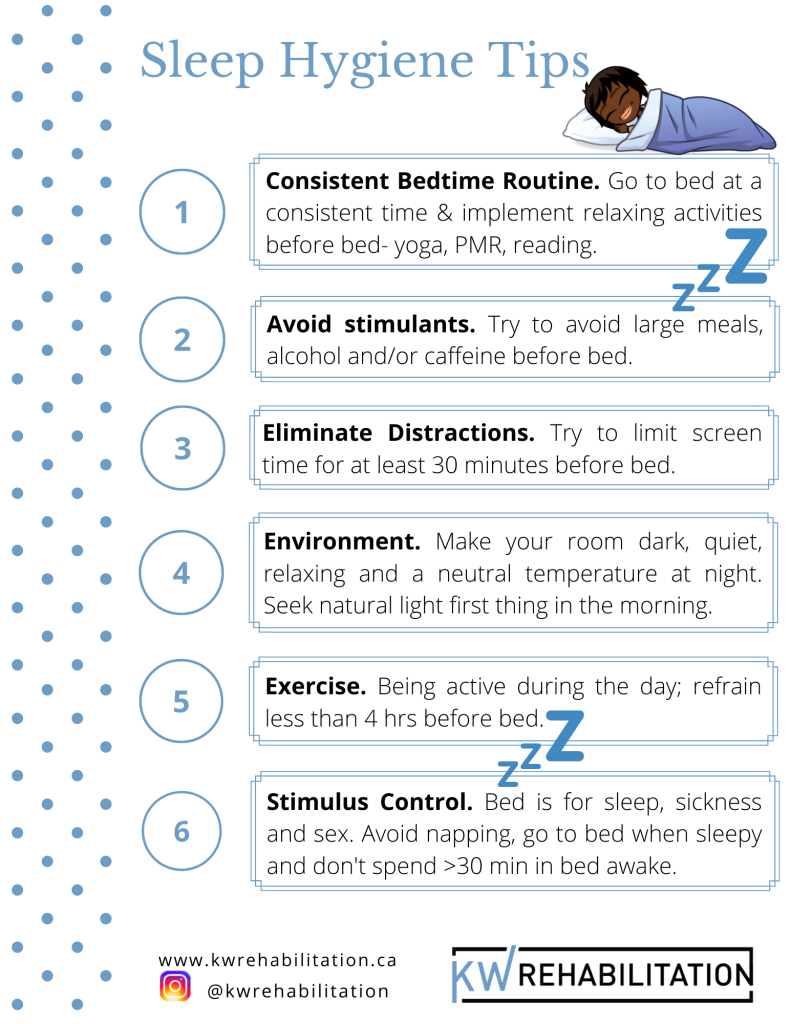
1. Maintain a Regular Sleep Schedule
Going to bed and waking up at the same time every day helps regulate your body’s internal clock. This consistency can make it easier to fall asleep and stay asleep throughout the night. Even on weekends, try to stick to a similar schedule to avoid disrupting your circadian rhythm.
2. Create a Comfortable Sleeping Environment

Your bedroom should be cool, dark, and quiet. Invest in a supportive mattress and pillows that suit your preferences. If external noise is an issue, consider using earplugs or a white noise machine. Additionally, keep electronic devices out of the bedroom to minimize distractions.
3. Limit Stimulants Before Bedtime
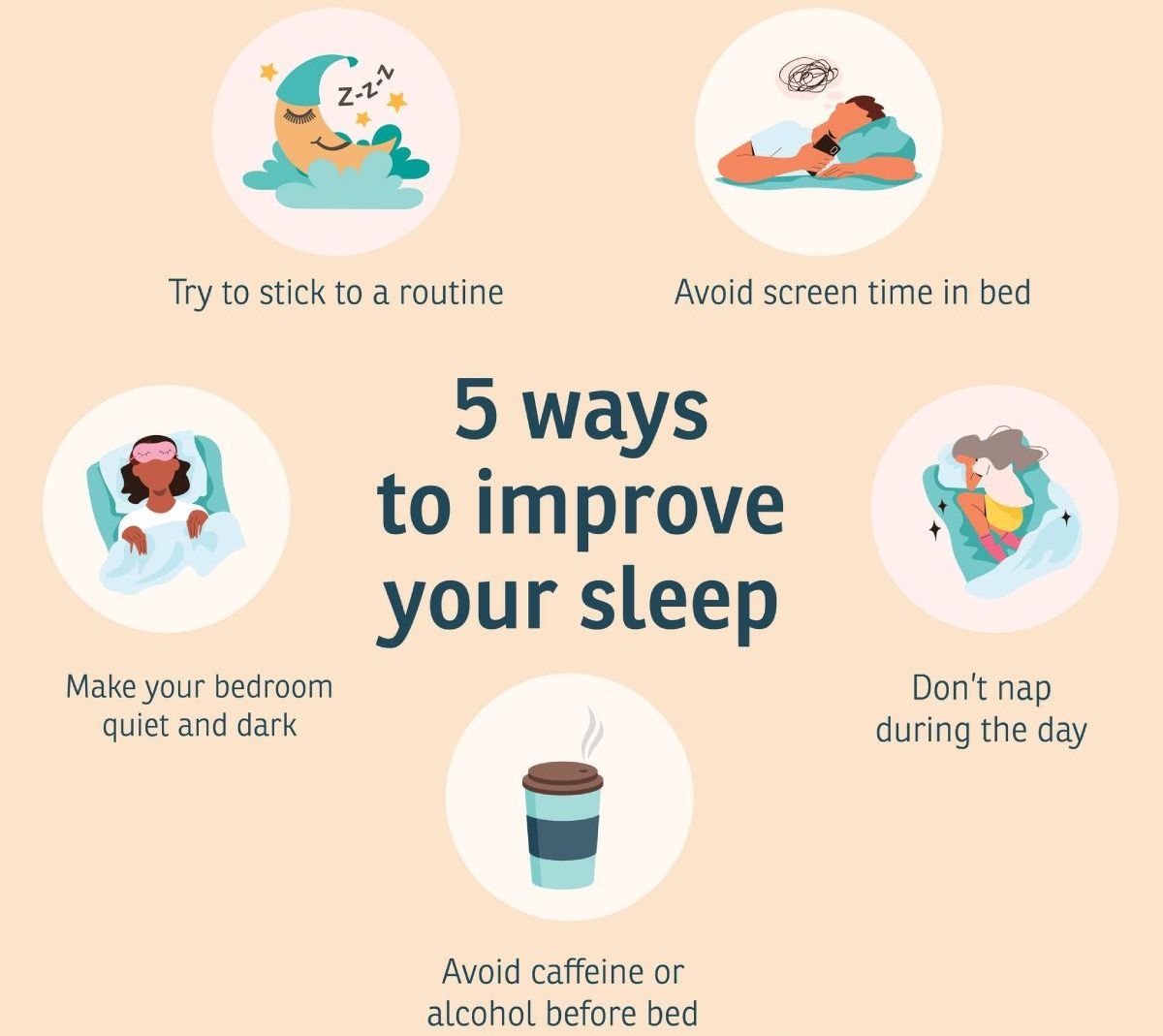
Caffeine, nicotine, and alcohol can all interfere with your ability to fall asleep and stay asleep. Try to avoid these substances at least a few hours before bedtime. For example, caffeine has a half-life of about 5-6 hours, meaning it can still affect your sleep even if consumed in the late afternoon.
4. Avoid Heavy Meals and Exercise Close to Bedtime
Eating a large meal or engaging in vigorous exercise within a few hours of bedtime can make it harder to fall asleep. Instead, aim to have your last meal at least two to three hours before bed and consider light exercises like stretching or yoga earlier in the day.
5. Develop a Relaxing Pre-Sleep Routine
A calming routine before bed can signal to your body that it’s time to wind down. This might include reading a book, taking a warm bath, or practicing relaxation techniques such as deep breathing or meditation.
Common Sleep Hygiene Challenges and Solutions
Many people face challenges when trying to implement good sleep hygiene. Here are some common issues and how to address them:
- Stress and Anxiety: Stress can disrupt sleep by increasing physiological arousal. Techniques like mindfulness, journaling, or talking through worries can help manage stress and promote relaxation.
- Screen Time: Blue light from phones, tablets, and computers can suppress melatonin production, making it harder to fall asleep. Limit screen time at least an hour before bed.
- Irregular Sleep Patterns: Shift work or frequent travel can throw off your sleep schedule. If possible, try to maintain a consistent sleep-wake cycle even on days off.
When to Seek Help
If you’ve tried improving your sleep hygiene and still struggle with poor sleep, it may be time to consult a healthcare provider. Conditions like insomnia, sleep apnea, or restless leg syndrome can interfere with your ability to get restful sleep. A sleep specialist can perform tests such as a sleep study to determine if there’s an underlying issue.
Keeping a sleep diary can also be helpful. Track your sleep patterns, including when you go to bed, how long it takes to fall asleep, and any disturbances during the night. This information can assist your healthcare provider in diagnosing any sleep disorders.
Final Thoughts
Improving your sleep hygiene is a powerful way to enhance your overall health and well-being. By making small, consistent changes to your daily habits, you can create a more restful and rejuvenating sleep experience. Remember, good sleep hygiene is not just about the quantity of sleep but also the quality. Prioritize your sleep, and you’ll likely notice improvements in your energy levels, mood, and cognitive function.
By adopting these practices, you’ll be taking a proactive step toward better health—one night at a time.