

The Ultimate Guide to Inner Child Healing: Reconnect, Release, and Transform
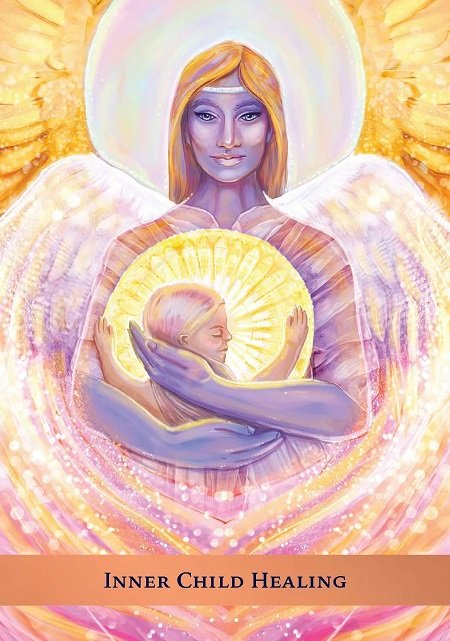
Inner child healing is a transformative journey that allows individuals to reconnect with the vulnerable, authentic parts of themselves that were shaped during childhood. This process is essential for emotional well-being, as it helps release past traumas, heal old wounds, and foster self-compassion. In Indonesia, where cultural values often emphasize resilience and family bonds, understanding and nurturing the inner child can be particularly empowering. This guide explores the importance of inner child healing, practical techniques, and how it can lead to lasting personal growth.
What Is Inner Child Healing?
Inner child healing involves acknowledging, understanding, and addressing the emotional wounds that stem from childhood experiences. These wounds can manifest in various ways, such as low self-esteem, fear of abandonment, or difficulty forming healthy relationships. By confronting these unresolved issues, individuals can begin to heal and create a more balanced, fulfilling life.
The inner child is not just a concept; it’s a part of our psyche that carries memories, emotions, and beliefs formed during our early years. When these parts are neglected or ignored, they can influence our adult behavior and decision-making. Healing the inner child means offering compassion, support, and love to this vulnerable aspect of ourselves, allowing us to grow and evolve.
Why Is Inner Child Healing Important?

Healing the inner child is crucial for several reasons. First, it helps individuals understand their emotional triggers and patterns of behavior. Many people struggle with recurring issues because they have not addressed the root causes rooted in their childhood. By exploring these patterns, individuals can gain insight into why they react the way they do in certain situations.
Second, inner child healing promotes self-compassion. It encourages individuals to treat themselves with kindness and understanding, which is essential for building a healthy relationship with oneself. This practice can lead to increased self-esteem and a stronger sense of identity.
Finally, healing the inner child can improve relationships with others. When individuals are at peace with themselves, they are more likely to form healthy, supportive connections with others. This can lead to greater happiness and fulfillment in both personal and professional relationships.
Practical Techniques for Inner Child Healing

There are several effective techniques to facilitate inner child healing. Here are some of the most beneficial practices:
-
Journaling: Writing down thoughts and feelings can help individuals process their emotions and gain clarity. Journaling allows for reflection on past experiences and can reveal patterns of behavior that may need to be addressed.
-
Mindfulness and Meditation: Practicing mindfulness and meditation can help individuals stay present and connect with their inner child. These practices encourage self-awareness and can provide a safe space for emotional exploration.
-
Creative Expression: Engaging in creative activities such as art, music, or writing can be a powerful way to express emotions and connect with the inner child. These activities allow for a non-verbal expression of feelings, which can be especially helpful for those who find it difficult to articulate their emotions.
-
Therapy: Working with a therapist can provide a supportive environment for inner child healing. Therapists can help individuals explore their past experiences, identify emotional triggers, and develop strategies for healing.
-
Self-Compassion Practices: Cultivating self-compassion is essential for inner child healing. This involves treating oneself with kindness, understanding, and acceptance, which can help build a stronger sense of self-worth.
Steps to Begin Your Inner Child Healing Journey
Starting the journey of inner child healing can be both exciting and challenging. Here are some steps to guide you:
-
Acknowledge Your Inner Child: Recognize that there is a part of you that needs care and attention. Acknowledge your feelings and validate your experiences, even if they were painful.
-
Reflect on Past Experiences: Take time to reflect on your childhood experiences. Consider how these experiences have shaped your current behaviors and beliefs. Journaling can be a helpful tool in this process.
-
Identify Emotional Triggers: Pay attention to situations that trigger strong emotional responses. Understanding these triggers can help you address the underlying issues and work through them.
-
Practice Self-Compassion: Treat yourself with kindness and understanding. Remind yourself that you deserve love and support, just like any other person.
-
Seek Support: Consider working with a therapist or joining a support group. Having a supportive community can provide encouragement and guidance throughout your healing journey.
-
Engage in Self-Care: Prioritize self-care activities that bring you joy and relaxation. This can include hobbies, exercise, or spending time in nature.
-
Set Boundaries: Learn to set healthy boundaries in your relationships. This can help protect your emotional well-being and prevent future harm.
Conclusion
Inner child healing is a powerful process that can lead to profound personal growth and emotional well-being. By reconnecting with the vulnerable parts of ourselves, we can release past traumas, cultivate self-compassion, and build healthier relationships. In Indonesia, where the emphasis on family and community is strong, embracing this journey can be particularly meaningful. Through practical techniques and a commitment to self-care, individuals can transform their lives and create a more fulfilling future. Remember, healing is a continuous process, and every step taken towards self-understanding and compassion is a step towards a brighter, more empowered you.