

The Ultimate Guide to Mindfulness: Benefits, Techniques, and Daily Practices
Mindfulness has become a cornerstone of modern wellness, offering a powerful way to navigate the complexities of daily life. At its core, mindfulness is the practice of being fully present and aware of your thoughts, feelings, and surroundings without judgment. This article will explore the benefits of mindfulness, provide practical techniques, and guide you on how to integrate this practice into your daily routine.
Understanding Mindfulness
Mindfulness is more than just meditation; it’s a way of living that emphasizes awareness and presence. It involves paying attention to the current moment, acknowledging your thoughts and emotions without getting caught up in them. This practice can be applied to any activity, from eating to walking, making it accessible for everyone.
Key Principles of Mindfulness
- Present Moment Awareness: Focus on what is happening right now.
- Non-Judgmental Observation: Observe your thoughts and feelings without labeling them as good or bad.
- Acceptance: Embrace your experiences as they are, rather than trying to change them.
Benefits of Mindfulness
Research has shown that mindfulness offers numerous benefits for both mental and physical health. Here are some of the most common advantages:
1. Reduced Stress
One of the most well-documented benefits of mindfulness is its ability to reduce stress. Studies have shown that regular mindfulness practice can lower cortisol levels, the hormone associated with stress. By focusing on the present moment, individuals can better manage their reactions to stressful situations.
2. Improved Emotional Regulation

Mindfulness helps individuals develop a greater awareness of their emotions, allowing them to respond rather than react to challenging situations. This increased emotional regulation can lead to better relationships and a more positive outlook on life.
3. Enhanced Focus and Concentration
Practicing mindfulness can improve attention span and cognitive function. By training the mind to stay present, individuals can enhance their ability to concentrate on tasks and make better decisions.
4. Better Sleep
Many people struggle with sleep issues, and mindfulness can be an effective tool for improving sleep quality. Techniques such as deep breathing and body scans can help relax the body and mind, promoting restful sleep.
5. Increased Self-Awareness
Mindfulness encourages self-reflection and a deeper understanding of oneself. This heightened self-awareness can lead to personal growth and a greater sense of purpose.
Techniques for Practicing Mindfulness
There are various techniques to incorporate mindfulness into your daily life. Here are some effective methods:
1. Breath Awareness Meditation
This is one of the simplest forms of mindfulness. Find a quiet space, sit comfortably, and focus on your breath. Notice the sensation of air entering and leaving your body. When your mind wanders, gently bring your attention back to your breath.
2. Body Scan
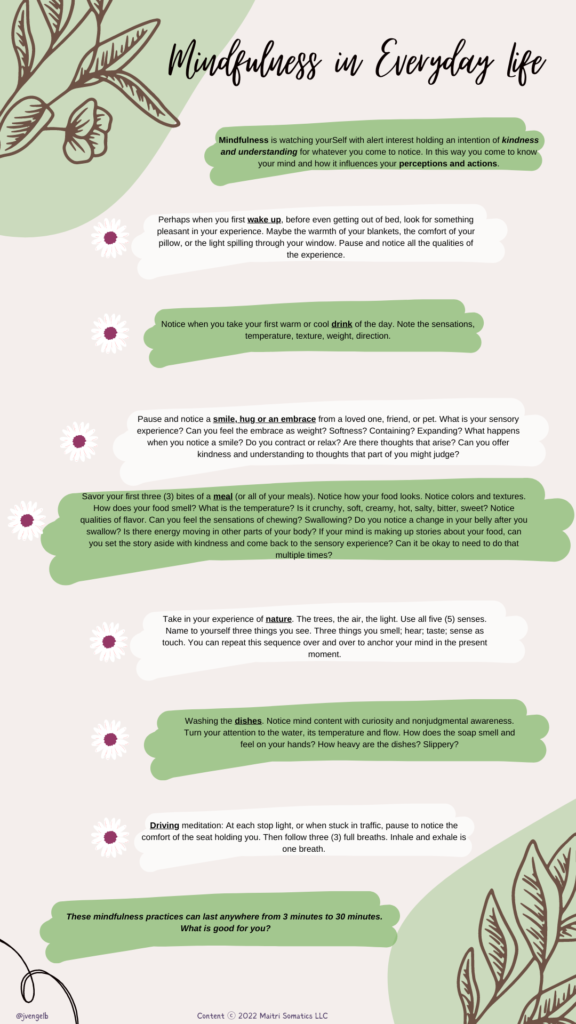
A body scan involves mentally scanning your body from head to toe, noticing any sensations or tensions. This practice can help release physical tension and promote relaxation.
3. Mindful Walking
Instead of rushing through your day, take a few minutes to walk mindfully. Pay attention to the feeling of your feet touching the ground, the sounds around you, and the rhythm of your steps.
4. Mindful Eating
Eating mindfully means savoring each bite and being fully present during meals. Avoid distractions like phones or TV, and focus on the taste, texture, and aroma of your food.
5. Journaling
Writing down your thoughts and feelings can be a form of mindfulness. Reflect on your experiences and emotions, allowing yourself to process them without judgment.
Integrating Mindfulness into Daily Life
Incorporating mindfulness into your daily routine doesn’t require a significant time commitment. Here are some tips to help you get started:
1. Start Small
Begin with just a few minutes of mindfulness each day. Even 5 minutes of focused breathing can make a difference. As you become more comfortable, gradually increase the duration.
2. Create a Routine
Establish a consistent time for mindfulness practice, such as first thing in the morning or before bed. This helps build a habit and makes it easier to maintain.
3. Use Reminders
Set reminders on your phone or use a mindfulness app to prompt you to take a few moments for yourself throughout the day.
4. Practice Gratitude
Take a moment each day to reflect on things you are grateful for. This simple practice can shift your mindset and enhance your overall well-being.
5. Engage in Mindful Activities
Choose activities that naturally encourage mindfulness, such as gardening, reading, or listening to music. These activities can help you stay present and engaged.
Overcoming Common Challenges
While mindfulness can be beneficial, it’s not without its challenges. Here are some common obstacles and how to overcome them:
1. Wandering Mind
It’s natural for your mind to wander during mindfulness practice. Instead of becoming frustrated, acknowledge the distraction and gently return your focus to the present moment.
2. Impatience
Mindfulness requires patience. Results may not be immediate, but with consistent practice, you’ll begin to notice improvements over time.
3. Physical Discomfort
If you experience discomfort while sitting, try adjusting your posture or practicing mindful movement instead of sitting meditation.
4. Doubting the Practice
It’s normal to question the effectiveness of mindfulness. Remember that the benefits accumulate gradually, and staying committed to the practice is key.
Conclusion
Mindfulness is a powerful tool that can enhance your mental, emotional, and physical well-being. By incorporating mindfulness into your daily life, you can reduce stress, improve focus, and cultivate a deeper connection with yourself and the world around you. Whether you’re new to mindfulness or looking to deepen your practice, there are countless techniques and resources available to support you on your journey.
Start small, stay consistent, and remember that every moment is an opportunity to be present. With time and dedication, you’ll discover the transformative power of mindfulness in your life.