

Top 10 Effective Squat Variations for Maximum Muscle Growth
Squat is one of the most essential exercises in any fitness routine, especially when it comes to building lower body strength and muscle. Whether you’re a beginner or an advanced athlete, there are countless squat variations that can help you achieve your goals. From bodyweight squats to barbell-loaded movements, each variation offers unique benefits and challenges. In this article, we’ll explore the top 10 effective squat variations that can maximize muscle growth and improve your overall fitness.
1. Air Squat
The air squat, also known as the bodyweight squat, is the foundation of all other squat variations. It’s ideal for beginners who want to master proper form before adding resistance. This exercise targets the quads, glutes, and hamstrings while improving balance and core stability.
How to Do It:
– Stand with your feet shoulder-width apart, toes slightly turned out.
– Push your hips back and bend your knees to lower yourself until your thighs are parallel to the ground.
– Keep your chest up and core engaged throughout the movement.
– Press through your heels to return to the starting position.
Sets and Reps: 3 sets of 10–15 reps.
2. Jump Squat
Jump squats add an explosive element to the traditional squat, making them excellent for building power and lower-body strength. They also increase heart rate, making them a great addition to conditioning workouts.
How to Do It:
– Start in a standing position with feet shoulder-width apart.
– Lower into a squat, then explode upward by jumping.
– Land softly on the balls of your feet, then immediately go into the next rep.
Sets and Reps: 3 sets of 8–10 reps.
3. Bulgarian Split Squat
This unilateral squat variation is perfect for targeting each leg individually, which helps improve balance, stability, and muscle symmetry. It also places more emphasis on the glutes and quads.
How to Do It:
– Place one foot on a bench behind you, with the other foot on the ground.
– Lower your body until your front thigh is parallel to the floor.
– Push through your front heel to return to the starting position.
Sets and Reps: 3 sets of 8–12 reps per leg.
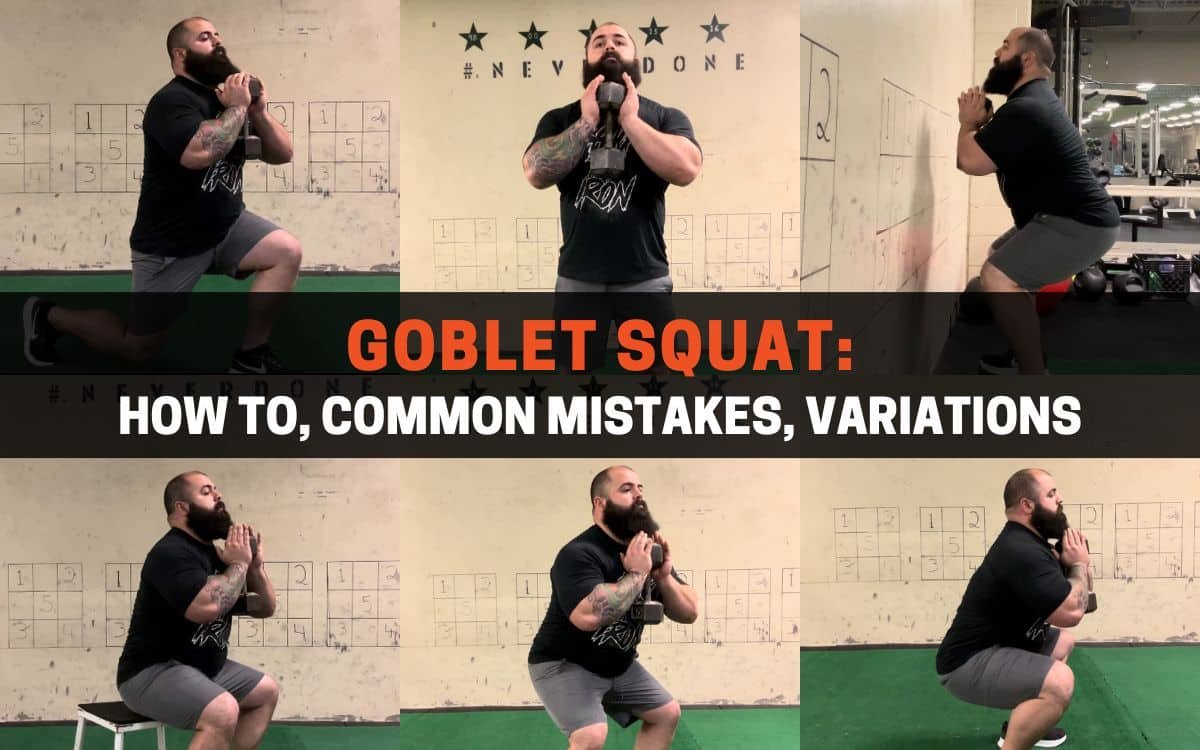
4. Goblet Squat
The goblet squat is a fantastic way to build strength and size while maintaining proper form. Holding a dumbbell or kettlebell in front of your chest helps keep your torso upright, reducing strain on the lower back.
How to Do It:
– Hold a dumbbell or kettlebell close to your chest.
– Stand with feet shoulder-width apart, toes slightly turned out.
– Lower into a squat, keeping your elbows inside your knees.
– Push through your heels to return to the starting position.
Sets and Reps: 3 sets of 10–12 reps.
5. Barbell Back Squat
The barbell back squat is one of the most effective compound exercises for building overall lower body strength. It targets the quads, glutes, hamstrings, and core, making it a staple in many strength training programs.
How to Do It:
– Place the barbell on your upper back, just above your shoulders.
– Stand with feet shoulder-width apart, toes slightly turned out.
– Lower your body until your thighs are parallel to the ground.
– Push through your heels to return to the starting position.
Sets and Reps: 3 sets of 6–8 reps.
6. Front Squat
Front squats emphasize the quadriceps and core, making them ideal for those looking to build leg strength and improve posture. The weight is held in front of the body, which requires more engagement from the core and upper back.
How to Do It:
– Hold the barbell in front of your shoulders, with your elbows high.
– Stand with feet shoulder-width apart, toes slightly turned out.
– Lower your body until your thighs are parallel to the ground.
– Push through your heels to return to the starting position.
Sets and Reps: 3 sets of 8–10 reps.
7. Box Squat
Box squats are a great way to improve depth control and build strength at the bottom of the movement. They also reduce stress on the knees, making them a good option for those with joint issues.
How to Do It:
– Place a box or bench behind you.
– Lower your body until your glutes touch the box.
– Push through your heels to stand back up.
Sets and Reps: 3 sets of 8–10 reps.
8. Zercher Squat
The Zercher squat is a challenging variation that targets the quads, hamstrings, and core. The barbell is held in the crook of your elbows, which increases the demand on your core and upper back.
How to Do It:
– Hold the barbell in the crook of your elbows.
– Stand with feet shoulder-width apart, toes slightly turned out.
– Lower your body until your thighs are parallel to the ground.
– Push through your heels to return to the starting position.
Sets and Reps: 3 sets of 5–8 reps.
9. Cossack Squat
The Cossack squat is a dynamic movement that improves hip mobility and strengthens the inner thighs. It involves moving side-to-side, which adds a functional element to your workout.
How to Do It:
– Hold a kettlebell or dumbbell in front of your chest.
– Step one foot out to the side and lower your body until your thigh is parallel to the ground.
– Push through your heel to return to the starting position.
Sets and Reps: 3 sets of 8–10 reps per side.
10. Wall Squat
Wall squats are a great isometric exercise for building endurance and strengthening the quads and glutes. They also help improve knee stability and posture.
How to Do It:
– Stand with your back against a wall, feet shoulder-width apart.
– Slide down the wall until your thighs are parallel to the ground.
– Hold the position for 30–60 seconds.
Sets and Reps: 3 sets of 30–60 seconds.
Conclusion
Incorporating these squat variations into your workout routine can lead to significant improvements in strength, muscle growth, and overall fitness. Whether you’re focusing on bodyweight movements or lifting heavy weights, there’s a squat variation that suits your goals. By mastering the basics and gradually progressing to more advanced variations, you’ll be well on your way to achieving a stronger, more powerful lower body.