

Understanding Imposter Syndrome: Causes, Symptoms, and How to Overcome It

Imposter syndrome is a psychological phenomenon that affects many individuals, especially those who are high achievers. It is characterized by persistent feelings of self-doubt and the belief that one is not as competent or capable as others perceive them to be. Despite evidence of their success, individuals with imposter syndrome often feel like they are frauds, fearing that they will eventually be exposed as inadequate.
This article aims to provide a comprehensive understanding of imposter syndrome, its causes, symptoms, and effective strategies for overcoming it. Whether you are experiencing these feelings yourself or seeking to support someone else, this guide will offer valuable insights and practical advice.
What is Imposter Syndrome?
Imposter syndrome is more than just feeling insecure; it’s a deep-seated fear that one’s accomplishments are not deserved. This condition can manifest in various ways, affecting different aspects of life, including work, relationships, and personal growth. The key characteristics of imposter syndrome include:
- Self-doubt: Constantly questioning one’s abilities and achievements.
- Fear of exposure: Believing that others will discover one’s perceived inadequacies.
- Discounting success: Attributing success to luck, external factors, or other people rather than one’s own skills and efforts.
Understanding these traits is crucial for recognizing when one might be experiencing imposter syndrome and taking steps to address it.
Types of Imposter Syndrome
Research has identified several types of imposter syndrome, each with unique characteristics and challenges. These include:
- The Perfectionist
- Symptoms: Setting extremely high standards and feeling like a failure if they are not met.
-
Impact: Can lead to burnout, anxiety, and avoidance of new challenges.
-
The Natural Genius
- Symptoms: Believing that success should come easily and feeling inadequate when effort is required.
-
Impact: May result in giving up on challenging tasks or avoiding them altogether.
-
The Superhero
- Symptoms: Feeling the need to excel in every area of life and believing that anything less means failure.
-
Impact: Can lead to chronic stress, emotional exhaustion, and a lack of vulnerability in relationships.
-
The Expert
- Symptoms: Believing that one must know everything before feeling qualified.
-
Impact: May hinder personal and professional growth due to fear of being exposed as unqualified.
-
The Soloist
- Symptoms: Feeling that one must achieve success independently and viewing help as a sign of weakness.
- Impact: Can lead to isolation, resentment, and emotional disconnection from others.
Each type of imposter syndrome presents its own set of challenges, but understanding these patterns can help individuals recognize and address their specific struggles.
Causes of Imposter Syndrome
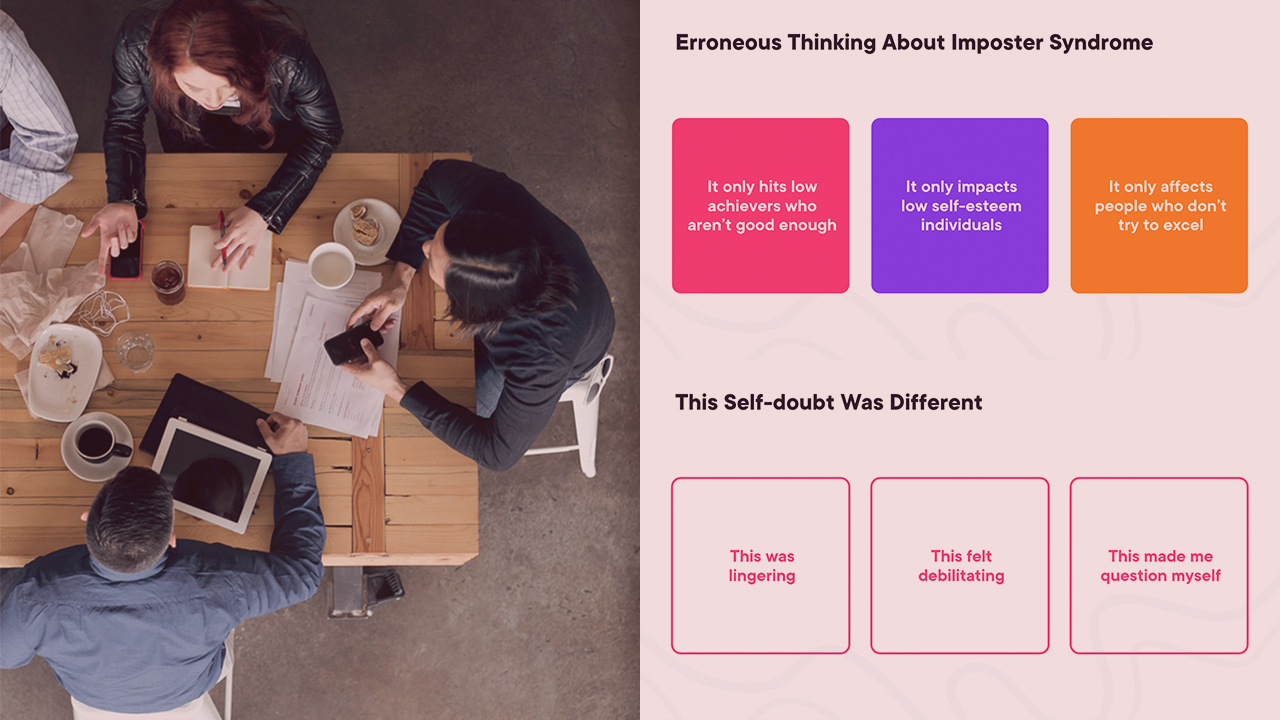
Imposter syndrome often stems from a combination of personal, social, and cultural factors. Some common causes include:
- Perfectionism: The tendency to set unrealistically high standards and view any deviation as failure.
- Early family dynamics: Growing up in an environment that emphasized achievement and comparison can shape long-lasting insecurities.
- Social comparison: Regularly comparing oneself to others, especially on social media, can heighten feelings of inadequacy.
- Lack of representation: Feeling like “the only one” in a particular space can amplify feelings of not belonging.
Understanding these underlying causes can help individuals develop a more compassionate perspective towards themselves and take proactive steps to address their feelings of self-doubt.
Symptoms of Imposter Syndrome
Recognizing the symptoms of imposter syndrome is essential for addressing it effectively. Common symptoms include:
- Overthinking: Constantly analyzing one’s performance and questioning their abilities.
- Downplaying strengths: Focusing on perceived weaknesses rather than acknowledging achievements.
- Feeling like a fraud: Believing that one’s success is due to luck rather than skill.
These symptoms can significantly impact mental health, leading to anxiety, depression, and low self-esteem. It is important to seek support and implement strategies to manage these feelings.
How to Overcome Imposter Syndrome
Overcoming imposter syndrome requires a combination of self-awareness, supportive relationships, and practical strategies. Here are some effective approaches:
- Recognize the signs: Acknowledge when you are experiencing imposter syndrome and understand that it is a common experience.
- Challenge negative self-talk: Question the validity of negative thoughts and replace them with more balanced, compassionate statements.
- Track your strengths and wins: Keep a journal of your achievements to remind yourself of your capabilities and progress.
- Share your feelings with someone you trust: Open conversations about your fears can reduce the shame associated with imposter syndrome.
- Allow yourself to make mistakes: Understand that mistakes are part of the learning process and do not define your worth.
- Stop comparing yourself: Focus on your own journey and avoid unnecessary comparisons with others.
- Set realistic boundaries and expectations: Learn to say no and prioritize your well-being.
- Accept compliments without deflecting: Let praise land and acknowledge your strengths.
- Separate your identity from your performance: Recognize that your value is not solely based on your achievements.
- Seek feedback from balanced sources: Use constructive feedback to grow without reinforcing self-doubt.
- Celebrate progress: Acknowledge small steps and improvements to build confidence over time.
By implementing these strategies, individuals can gradually reduce the grip of imposter syndrome and cultivate a more positive and realistic sense of self-worth.
Conclusion

Imposter syndrome is a common challenge that many high-achieving individuals face. By understanding its causes, recognizing its symptoms, and implementing effective strategies, individuals can overcome these feelings of self-doubt and build a more confident, authentic sense of self. Remember, you are not alone in this struggle, and with time, support, and self-compassion, it is possible to thrive despite the challenges of imposter syndrome.