

Understanding Public Display of Affection: Cultural Norms and Social Implications

Public display of affection (PDA) is a complex phenomenon that reflects the interplay between personal emotions, cultural norms, and societal expectations. While it can be a beautiful expression of love and intimacy, it also raises questions about how individuals navigate their relationships in public spaces. This article explores the nuances of PDA, its cultural significance, and the social implications it carries.
The Evolution of Public Display of Affection
Public displays of affection have evolved significantly over time, influenced by changing societal values and cultural shifts. In many societies, PDA was once considered inappropriate or even scandalous, with strict norms governing how couples should behave in public. However, as attitudes toward relationships and personal freedom have shifted, so too have the acceptability and prevalence of PDA.
In some cultures, holding hands or exchanging a quick kiss is seen as a natural and acceptable form of affection. In others, more intimate gestures may be reserved for private settings. These differences highlight the importance of understanding cultural context when interpreting PDA. For example, in some Asian countries, public displays of affection are often more restrained compared to Western societies, where couples may feel more comfortable showing affection openly.
The Psychological Perspective
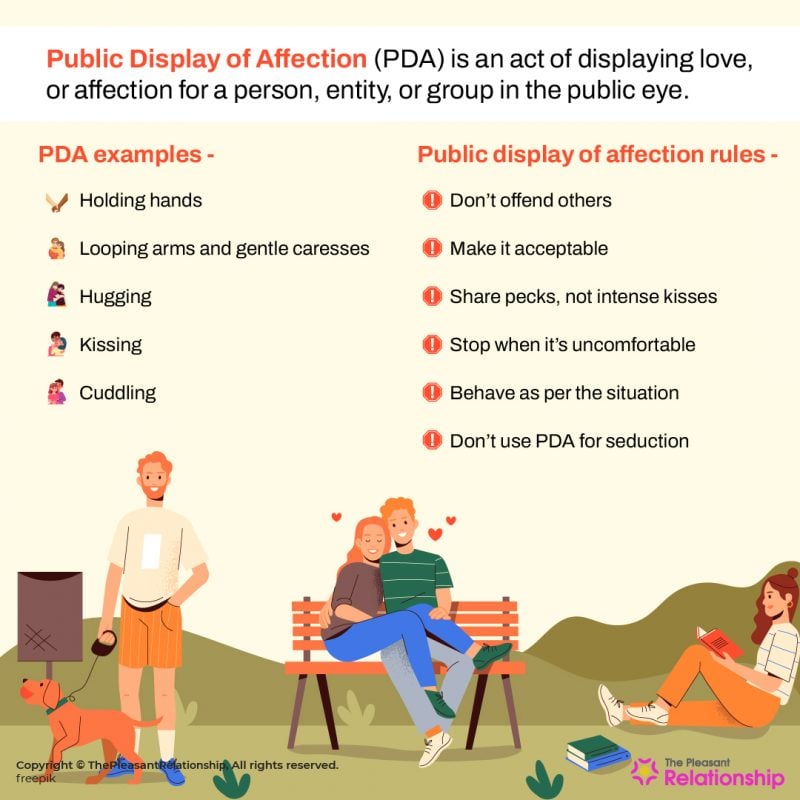
From a psychological standpoint, PDA serves several functions. It can reinforce emotional bonds between partners, provide a sense of security, and even act as a form of non-verbal communication. Research suggests that physical touch, such as holding hands or embracing, can release oxytocin, often referred to as the “love hormone,” which promotes feelings of trust and connection.
However, not all individuals express affection in the same way. Some may prefer more subtle forms of PDA, such as a gentle touch on the shoulder or a shared glance, while others may engage in more overt displays. These variations can be influenced by personality traits, past experiences, and individual comfort levels.
Social Implications and Cultural Norms
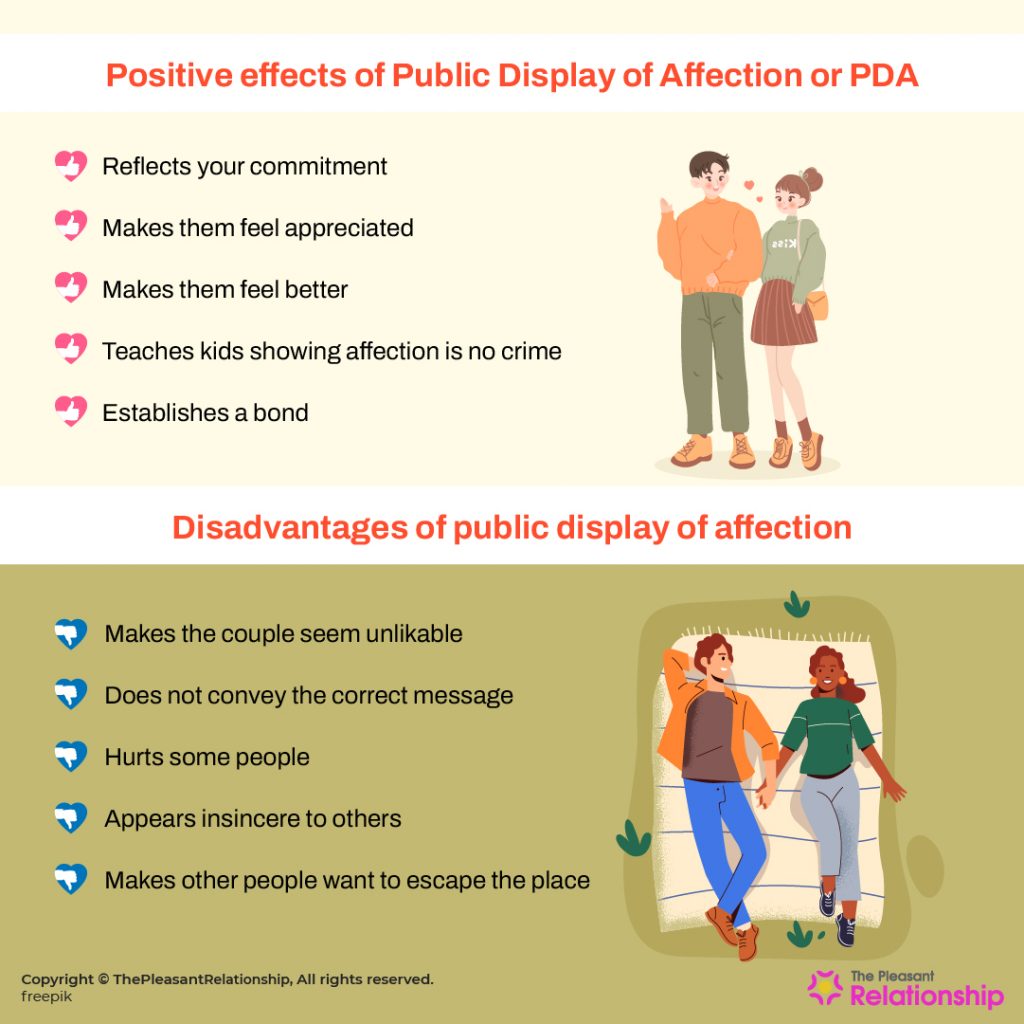
The social implications of PDA extend beyond the couple involved. Public displays of affection can influence how others perceive the relationship, sometimes leading to judgments or assumptions. In some cases, couples may face disapproval from friends, family, or even strangers, depending on the cultural and social environment.
Cultural norms play a significant role in shaping these perceptions. In societies where traditional gender roles are still prevalent, men may be expected to be more reserved in public, while women may be encouraged to show affection more openly. These expectations can create pressure on individuals to conform to certain behaviors, potentially affecting their ability to express their true feelings.
Additionally, the rise of social media has introduced new dimensions to PDA. Couples now have the ability to share their affection publicly through photos, videos, and status updates, which can both strengthen and complicate their relationships. While some view this as a positive way to celebrate their love, others may feel pressured to maintain a certain image or face scrutiny from their online community.
Navigating Public Displays of Affection
For individuals navigating PDA in their relationships, it’s essential to communicate openly with their partners about comfort levels and expectations. Understanding each other’s preferences can help prevent misunderstandings and ensure that both parties feel respected and valued.
It’s also important to recognize that PDA is not a one-size-fits-all concept. What may be acceptable in one relationship may not be in another. Couples should focus on what feels authentic and meaningful to them, rather than adhering to external pressures or societal standards.
Moreover, it’s crucial to consider the impact of PDA on others. While it’s natural to want to express affection, being mindful of how your actions may affect those around you can help foster a more inclusive and respectful environment.
Conclusion
Public display of affection is a multifaceted aspect of human relationships, shaped by cultural norms, psychological factors, and individual preferences. As societies continue to evolve, so too will the ways in which people express their love and affection in public spaces. By understanding the complexities of PDA, individuals can navigate their relationships with greater awareness and sensitivity, ensuring that their expressions of love are both genuine and respectful. Ultimately, the goal is to create a space where love can be expressed freely, without fear of judgment or misunderstanding.