

What Is a Personal Operating System and How Can It Boost Your Productivity?
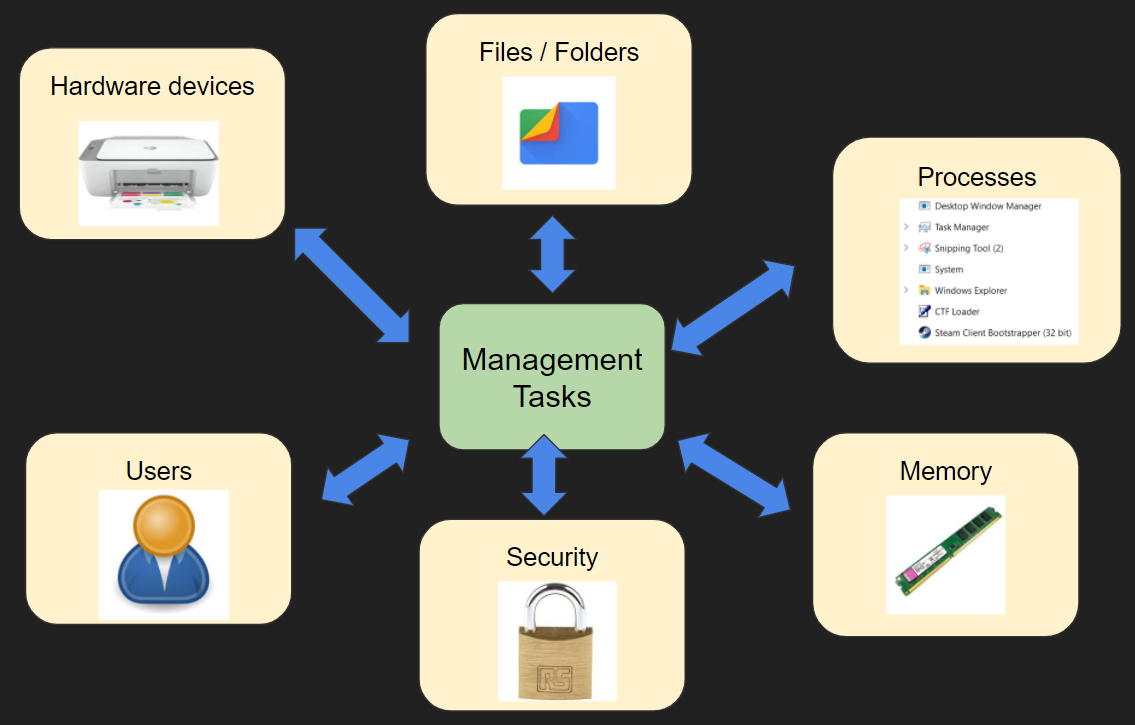
In today’s fast-paced world, where demands on your time and attention are constantly increasing, having a reliable productivity system is not just helpful—it’s essential. A well-designed system enables you to manage tasks, organize information, and maintain focus, allowing you to work smarter and achieve your goals more efficiently. This article explores the concept of a personal operating system (POS) and how it can significantly boost your productivity.
Understanding the Concept of a Personal Operating System
A personal operating system is a structured framework that helps you organize your time, energy, and attention. Unlike traditional software operating systems that manage computer functions, a POS is a mental and practical system tailored to your unique needs and goals. The goal of a POS isn’t to do more—it’s to do what matters most, consistently.
Key Components of a Personal Operating System
To build an effective personal operating system, consider integrating the following core components:
- Capture Tools: These tools help you record ideas, tasks, or information as they arise. Whether you use a smartphone app, a notebook, or a voice recorder, the key is to capture inputs immediately.
- Note-Taking Tools: A reliable note-taking system is essential for organizing detailed information, brainstorming ideas, or storing research. Digital tools like Notion or Evernote offer searchability and accessibility, while physical notebooks provide a tactile, distraction-free experience.
- Task Management Systems: A centralized task manager helps you prioritize and track your to-do list. Tools like Todoist, Asana, or Trello allow you to manage everything from daily errands to complex projects.
- Unified Calendars: A single calendar ensures you stay on top of appointments, deadlines, and time-sensitive tasks. Using a synced solution minimizes scheduling conflicts and provides a clear overview of your commitments.
Benefits of a Personal Operating System

Implementing a personal operating system offers numerous benefits, including:
- Enhanced Focus: By structuring your day and minimizing distractions, you can maintain better concentration on important tasks.
- Improved Time Management: A POS helps you allocate time effectively, ensuring that you complete tasks without feeling overwhelmed.
- Increased Productivity: With a clear plan and organized workflow, you can accomplish more in less time.
- Reduced Stress: Knowing that you have a system in place to handle your responsibilities can significantly reduce anxiety and burnout.
Building Your Personal Operating System

Creating a personal operating system involves several steps. Here’s a structured approach to get started:
- Assess Your Needs: Identify your current challenges and determine what aspects of your life require better organization. Consider your work style, pain points, and time management patterns.
- Choose the Right Tools: Select tools that align with your preferences and workflow. Whether digital or analog, ensure that the tools you choose support your system rather than complicate it.
- Establish Routines: Develop consistent routines for reviewing and updating your system. Weekly reviews and daily check-ins can help keep your POS aligned with your goals.
- Balance Digital and Analog Tools: Use the strengths of both digital and analog tools. For example, use a digital task manager for long-term planning and a physical planner for daily scheduling.
- Adopt Time-Based Strategies: Techniques like time-blocking and breaking tasks into smaller steps can enhance focus and reduce procrastination.
Popular Productivity Systems to Consider
There are various productivity systems that can be integrated into your personal operating system. Some popular ones include:
- Inbox Zero: A system to declutter your email and reduce stress.
- Eisenhower Matrix: A method to prioritize tasks based on urgency and importance.
- Time Blocking: A technique to divide your day into focused blocks for specific tasks.
- Pomodoro Technique: A focus system that uses 25-minute work intervals followed by short breaks.
- Getting Things Done (GTD): A mind-clearing system that helps you organize tasks and reduce mental clutter.
- Kanban: A visual method to manage tasks and track progress.
- Bullet Journaling: An analog system combining task management, note-taking, and life planning.
- Eat the Frog: A strategy to tackle your most important task first thing in the morning.
- Strategic To-Do Lists: Upgraded checklists that prioritize tasks based on impact and urgency.
- Massive Action Model: A balanced approach to managing priorities, time supply, and time demands.
Conclusion
A personal operating system is a powerful tool that can transform the way you manage your time, energy, and attention. By understanding the key components and implementing effective strategies, you can create a system that not only boosts your productivity but also enhances your overall well-being. Start by assessing your needs, choosing the right tools, and establishing consistent routines to build a POS that works for you. With dedication and adaptability, you’ll be well-equipped to achieve your goals and thrive in 2025 and beyond.