

What Is Rhodiola Rosea? Benefits, Uses, and Scientific Insights
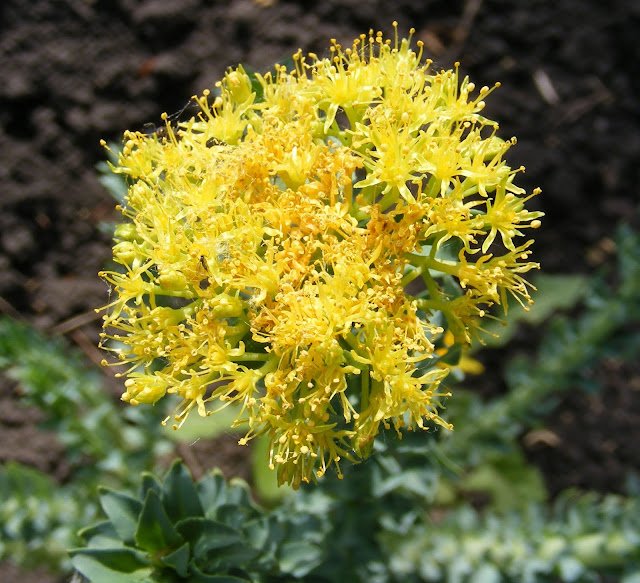
Rhodiola rosea, also known as golden root or roseroot, is a hardy perennial plant that belongs to the Crassulaceae family. Native to cold regions of the world, including the Arctic, Siberia, and parts of North America, this plant has been revered for centuries in traditional medicine systems across Europe, Asia, and the Middle East. With its unique ability to thrive in extreme environments, rhodiola rosea has become a popular adaptogen—a natural substance that helps the body resist stress and maintain balance.
In recent years, scientific research has begun to uncover the potential health benefits of rhodiola rosea, making it a subject of interest among herbalists, researchers, and health enthusiasts alike. This article explores what rhodiola rosea is, its historical uses, and the latest scientific insights into its effects on the human body.
What Is Rhodiola Rosea?
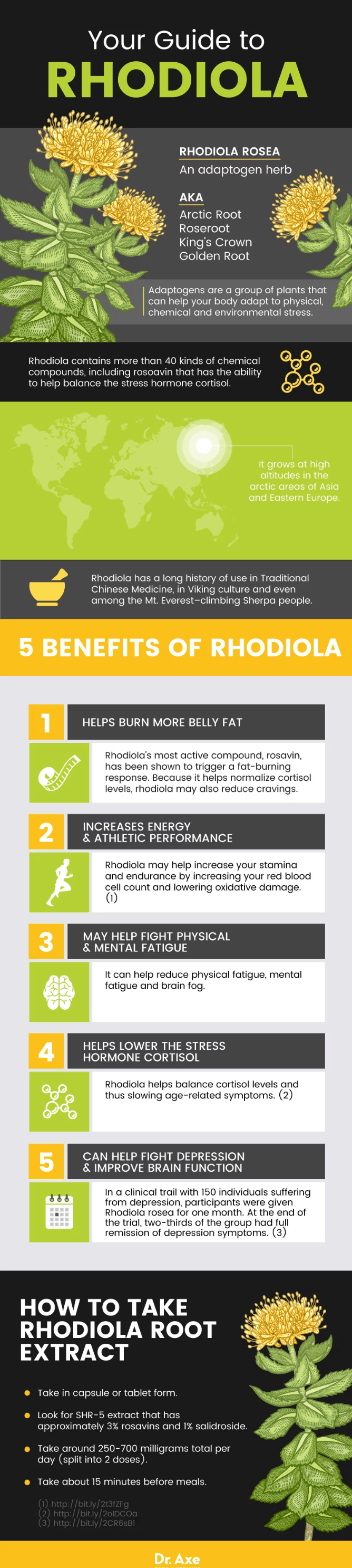
Rhodiola rosea is a flowering plant characterized by its thick, fleshy stems and clusters of yellow flowers. It grows in high-altitude regions and is often found in rocky, sandy soils. The plant’s roots are the most commonly used part, and they contain a complex mixture of bioactive compounds, including phenolic acids, flavonoids, and various polyphenols such as rosavin, salidroside, and rosin.
The name “rhodiola” comes from the Greek word rhodon, meaning “rose,” due to the faint rose-like scent emitted by the freshly cut root. Its common names—golden root, Arctic root, and king’s crown—reflect its historical significance and the value placed on its medicinal properties.
Historical Use of Rhodiola Rosea
For thousands of years, rhodiola rosea has been used in traditional medicine systems, particularly in Russia, Scandinavia, and Tibet. Ancient texts, such as Dioscorides’ De Materia Medica (circa 1st century AD), mention the use of rhodiola for treating ailments like fatigue, depression, and digestive issues.
In Russian folk medicine, rhodiola was used to enhance physical endurance, improve mental clarity, and support the immune system. Similarly, in Tibetan medicine, it was believed to have rejuvenating properties and was used to treat respiratory conditions and skin disorders.
Scientific Research and Health Benefits
While rhodiola rosea has long been valued for its therapeutic properties, modern science is now beginning to validate many of these claims. Here are some of the key health benefits supported by current research:
1. Stress and Anxiety Relief
Rhodiola rosea is classified as an adaptogen, meaning it helps the body adapt to stress. Studies suggest that it can reduce cortisol levels, the primary stress hormone, and improve the body’s response to both physical and psychological stressors.
Research published in Phytomedicine found that rhodiola extract significantly reduced symptoms of stress and fatigue in individuals experiencing burnout. Another study showed that it may help alleviate mild to moderate anxiety by modulating neurotransmitter activity in the brain.
2. Mood Enhancement and Depression Support
Rhodiola rosea has shown promise in supporting mental health, particularly in managing symptoms of depression. A systematic review of clinical trials found that rhodiola may help improve mood and reduce depressive symptoms by influencing serotonin and dopamine levels.
One randomized controlled trial involving patients with mild to moderate depression reported significant improvements in mood after taking rhodiola extract for six weeks. However, more large-scale studies are needed to confirm these findings.
3. Energy and Fatigue Reduction
Rhodiola rosea is widely used to combat fatigue and boost energy levels. Its adaptogenic properties help the body manage energy demands during periods of high stress or physical exertion.
Studies have shown that rhodiola may enhance physical performance and reduce mental fatigue. For example, a study on athletes found that rhodiola supplementation improved endurance and reduced perceived exertion during exercise.
4. Antioxidant and Anti-inflammatory Effects
Rhodiola rosea contains powerful antioxidants, such as salidroside and rosavin, which help neutralize free radicals and reduce oxidative stress. These compounds may also have anti-inflammatory properties, potentially benefiting conditions like arthritis and other inflammatory diseases.
5. Cognitive Function and Mental Clarity
Some research suggests that rhodiola rosea may enhance cognitive function, including memory, attention, and focus. A study on students found that rhodiola improved mental performance during stressful exam periods.
How to Use Rhodiola Rosea
Rhodiola rosea is available in various forms, including capsules, tinctures, and teas. The recommended dosage varies depending on the form and the intended use. Most supplements contain standardized extracts with a minimum of 3% rosavins and 1% salidroside, two key compounds believed to be responsible for its therapeutic effects.
- Capsules: Typically taken once or twice daily, with meals.
- Tinctures: Taken orally, usually 15–30 minutes before eating.
- Teas: Brewed from dried rhodiola root, though less common due to its bitter taste.
It is important to follow the manufacturer’s instructions and consult a healthcare provider before starting any new supplement regimen.
Potential Side Effects and Precautions
Rhodiola rosea is generally considered safe when taken at recommended doses. However, some people may experience mild side effects, such as dizziness, dry mouth, or gastrointestinal discomfort. It may also interact with certain medications, particularly those affecting the central nervous system or blood pressure.
Pregnant or breastfeeding women should avoid rhodiola rosea due to limited safety data. Additionally, individuals with autoimmune disorders or diabetes should use caution, as rhodiola may stimulate the immune system and affect blood sugar levels.
Final Thoughts
Rhodiola rosea is a remarkable plant with a rich history of use in traditional medicine and growing scientific support for its health benefits. From reducing stress and improving mood to enhancing energy and cognitive function, rhodiola offers a range of potential advantages for those seeking natural ways to support their well-being.
As research continues to explore its mechanisms and applications, rhodiola rosea remains a valuable tool in the world of herbal medicine. Whether used as a daily supplement or in times of stress, this ancient plant continues to prove its worth in modern wellness practices.