

When to See a Therapist: Signs You Need Professional Help
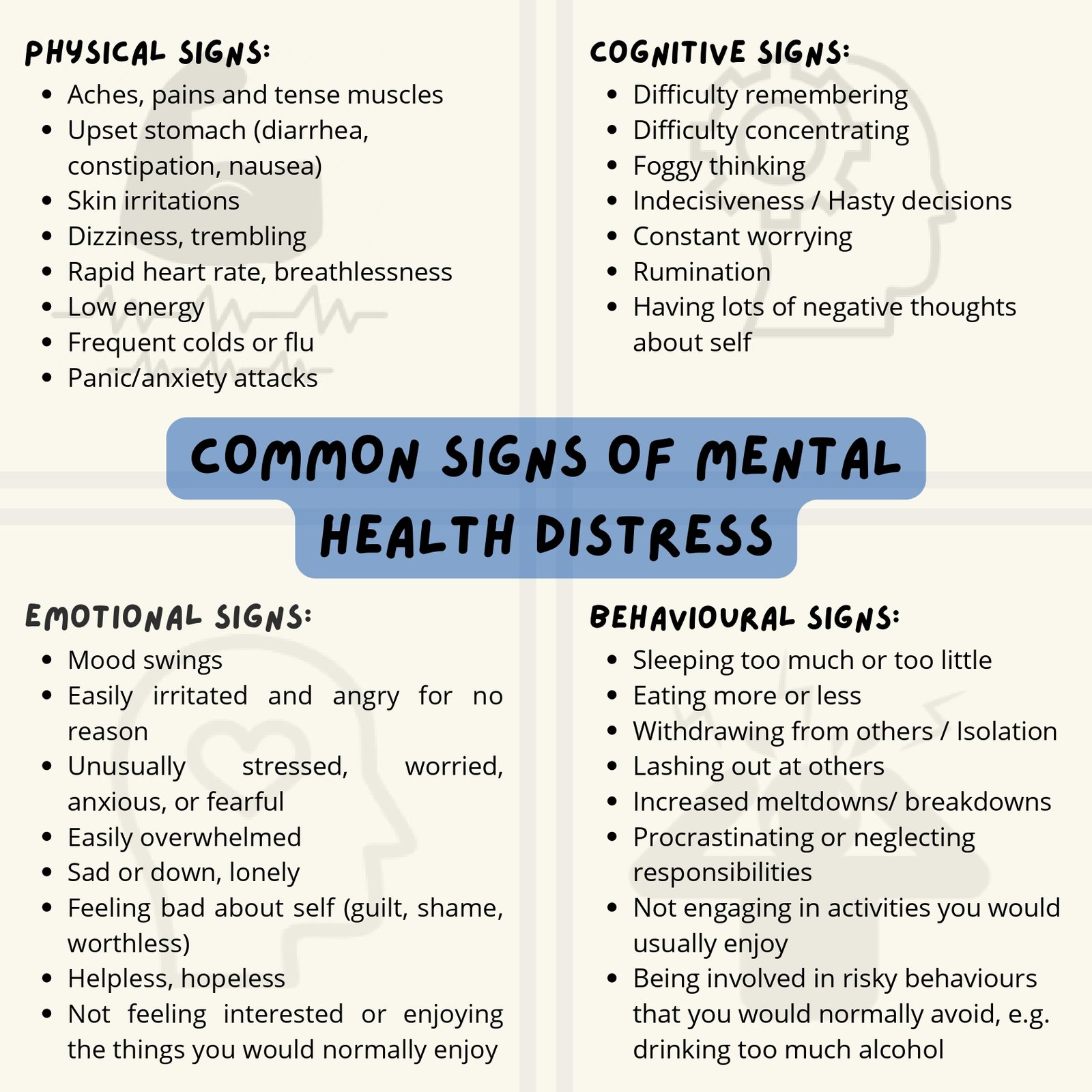
Mental health is just as important as physical health, yet many people overlook the need for professional help until their struggles become overwhelming. Recognizing when to see a therapist can be a crucial step in improving your well-being and quality of life. Whether you’re dealing with persistent sadness, anxiety, or relationship issues, therapy offers a safe and supportive space to explore your emotions and develop healthier coping mechanisms.
Understanding the Importance of Mental Health
Just like we take care of our bodies by visiting doctors when we’re unwell, we should also prioritize our mental health. Mental health challenges can manifest in various ways, such as difficulty managing stress, changes in sleep or eating habits, or feelings of hopelessness. These symptoms may not always be obvious, but they can significantly impact your daily life and relationships.
Therapy provides a confidential and non-judgmental environment where you can openly discuss your thoughts and feelings. A trained therapist can help you gain insights into your emotional patterns, identify triggers, and develop strategies to manage your mental health effectively.
Common Signs That Indicate the Need for Therapy

Here are some common signs that may indicate it’s time to seek professional help:
- Persistent feelings of sadness, hopelessness, or emptiness – If these emotions last for an extended period and interfere with your daily activities, it could be a sign of depression or another mental health condition.
- Excessive worry, anxiety, or fear – When anxiety becomes overwhelming and affects your ability to function, it may be time to consult a therapist.
- Changes in sleeping or eating habits – Sudden or prolonged changes in your sleep or appetite can be a red flag for underlying mental health issues.
- Withdrawal from social activities or hobbies – If you’re no longer enjoying things you once loved, it could be a sign of emotional distress.
- Irritability, anger, or mood swings – Difficulty managing your emotions can strain relationships and affect your overall well-being.
- Difficulty concentrating or making decisions – This can be a symptom of anxiety, depression, or other mental health concerns.
- Unexplained physical symptoms – Headaches, stomachaches, or muscle tension without a clear medical cause may be linked to stress or anxiety.
- Unhealthy coping mechanisms – Turning to substance use, self-harm, or other harmful behaviors can be a sign that you need support.
If you’re experiencing any of these symptoms, it’s worth considering therapy as a way to address them. A therapist can provide guidance, support, and tools to help you navigate these challenges.
Benefits of Seeking Professional Help

Engaging in therapy offers numerous benefits, including:
- A safe and confidential space to express your feelings without judgment.
- Improved self-awareness and understanding of your thought patterns and behaviors.
- Effective coping strategies for managing stress, anxiety, and other mental health concerns.
- Enhanced communication skills and healthier interpersonal relationships.
- Guidance in setting and achieving personal goals.
- Support in processing trauma, grief, or difficult life transitions.
Therapy is not just for those with severe mental health conditions; it can also be beneficial for individuals who want to improve their emotional well-being, build resilience, or navigate life’s challenges more effectively.
Different Approaches to Therapy
There are various therapeutic approaches available, each tailored to different needs and goals. Some of the most common methods include:
- Cognitive Behavioral Therapy (CBT) – Focuses on identifying and changing negative thought patterns and behaviors.
- Dialectical Behavior Therapy (DBT) – Helps with emotional regulation, distress tolerance, and interpersonal effectiveness.
- Psychodynamic Therapy – Explores how past experiences influence current thoughts and behaviors.
- Humanistic Therapy – Emphasizes personal growth, self-acceptance, and finding meaning in life.
It’s important to find a therapist whose approach aligns with your specific needs and preferences. Don’t hesitate to ask questions or try different methods to see what works best for you.
Overcoming Hesitations About Therapy
Many people feel hesitant about starting therapy due to stigma, cost, or uncertainty about the process. However, it’s essential to remember that seeking help is a sign of strength, not weakness. Here are a few tips to overcome common barriers:
- Consider online therapy – Many therapists offer virtual sessions, providing flexibility and convenience.
- Explore sliding scale fees – Some professionals offer reduced rates based on income.
- Check with your employer – Some companies provide employee assistance programs (EAPs) that include free or discounted therapy sessions.
Remember, therapy is a personal journey, and there’s no right or wrong time to begin. It’s a proactive step toward better mental health and overall well-being.
Final Thoughts
Recognizing when to see a therapist is an important step in taking care of your mental health. Whether you’re struggling with anxiety, depression, relationship issues, or simply feeling overwhelmed, therapy can provide the support and guidance you need. By addressing these challenges early, you can develop healthier coping mechanisms, improve your relationships, and enhance your quality of life.
If you’re unsure whether therapy is right for you, consider reaching out to a mental health professional for an initial consultation. They can help you assess your needs and determine the best course of action. Taking this step is a courageous move toward a happier, healthier you.